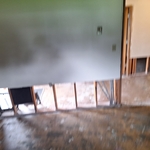
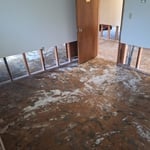
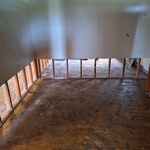
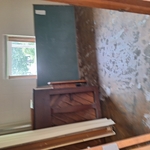
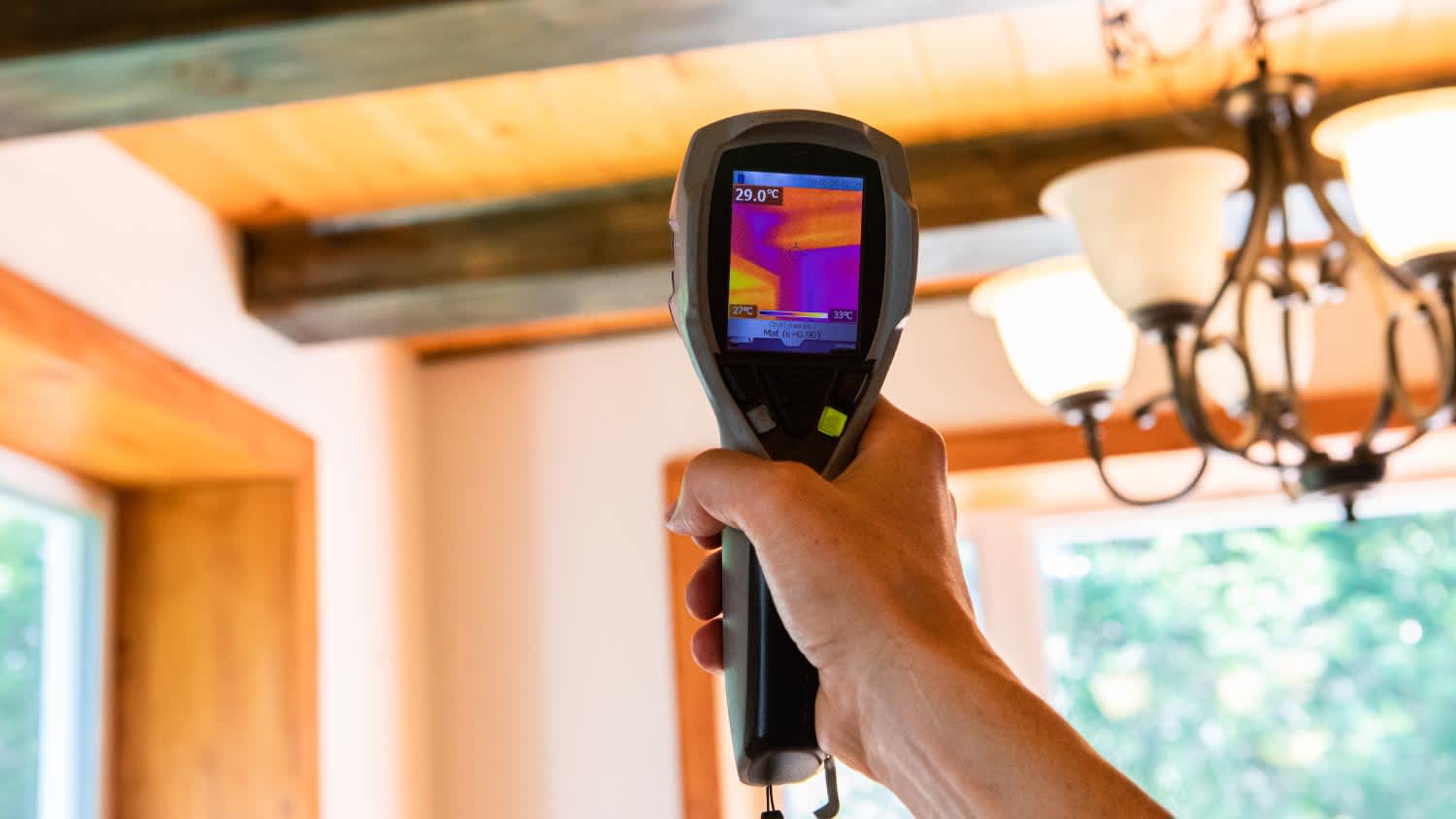
"Dave was great to work and extremely helpful. He was professional and took a lot of time to explain to us what the issues were and how to resolve them. Dave was very timely in his inspection/mold restoration. We would highly recommend him to others as well as use his services again if ever needed."
"I used Moving APT for our relocation to Tampa and they did a very good job both on pick up and drop off. They handled everything with care and absolutely nothing was broken or scratched. I would recommend them."
We are committed to excellence in every aspect of our business. We uphold a standard of integrity bound by fairness, honesty, and personal responsibility. Our distinction is the quality of service we bring to our customers. Accurate knowledge of our trade combined with ability is what makes us true professionals. Above all, we are watchful of our customers' interests, and make their concerns the basis of our business.
\n
Biohazard Remediation questions, answered by experts
Yes, you can save moldy wood furniture by removing the mold as soon as you notice it. Mold can penetrate and damage porous wood, though, so waiting to clean it could lead to significant damage. If a large coverage area of mold grows over several months, you may want to ask a professional to try to save the piece. If the damage is bad enough, though, even a pro might not be able to save it.
Yes, mold on wood furniture can be dangerous, especially if it is identified as black mold. Inhaling spores or touching mold can make some people sick with respiratory issues, skin rashes, and eye irritation. However, some people have mild or no symptoms after exposure to mold. If you are going to clean mold off wood furniture, you should wear protective equipment to avoid direct exposure.
Not all molds are inherently harmful, but their presence can lead to health issues, especially for individuals with allergies or respiratory problems. Black mold often garners attention due to its potential toxicity. However, other molds can cause health concerns too. Regular mold, appearing in various colors like green, gray, brown, or black, can trigger allergies and respiratory problems. Prompt removal and prevention measures are essential, regardless of mold type, to maintain a healthy indoor environment.
Neglecting mold growth on wood can result in various issues that deteriorate its appearance and jeopardize its structural stability. The mold's ability to multiply and expand can disintegrate the fibers of the wood, weakening it further. In addition, the allergenic spores and mycotoxins released by mold can pose health hazards through inhalation or contact. Ignoring the mold's presence allows it to thrive, increasing the likelihood of spreading to other surfaces and requiring extensive and expensive measures to control in the future. Addressing mold on wood promptly is crucial to preserving its condition and safeguarding the health of those around it.
If you are not at high risk of contracting disease and take proper safety precautions, it’s considered generally safe to clean mouse droppings on your own. Before handling any droppings, make sure to put on protective equipment such as plastic gloves and a face mask. Individuals who are immunocompromised, have medical conditions, and children should especially avoid exposure to mouse droppings.
The Killdeer, ND homeowners’ guide to biohazard remediation services
From average costs to expert advice, get all the answers you need to get your job done.
The cost of a mold inspection might seem high, but it’s one of the best investments you can make for your health and home. Read on to learn cost-saving tips.
Learn how to hire a qualified radon testing pro for your home. Find certified professionals, understand costs, and get expert tips to protect your family.