Certain strong smells may help repel bats, though this is not a foolproof method and is best used in conjunction with other deterrence strategies. Scents like peppermint oil, eucalyptus, cinnamon, cloves, and mint are often suggested as natural remedies. To create a spray, you can mix two cups of warm water with half a cup of sugar and a few drops of your preferred essential oil. Apply this mixture using a spray bottle to possible entry points and throughout the affected area, such as an attic. While this home remedy is popular, evidence supporting its effectiveness is limited.
Pest control and wildlife removal are different services. Pest control specialists typically handle insects and bugs, often using chemicals and poisonous sprays for extermination. Wildlife removal professionals, on the other hand, focus on larger animals. They prioritize humane methods like trapping and relocation, using poison only as a last resort. For insect problems, contact a pest control professional; for issues with other animals, an animal or wildlife removal specialist is the correct choice.
Trees that provide a habitat to bats and an abundance of bugs—their main food source—will attract bats to your yard. Because the North American landscape has changed so much in recent years, bats have a harder time finding trees with cavities to shelter in. If your yard has a dead or dying tree with a lot of sun exposure, bats will likely be drawn to it because trees with those features are less common.
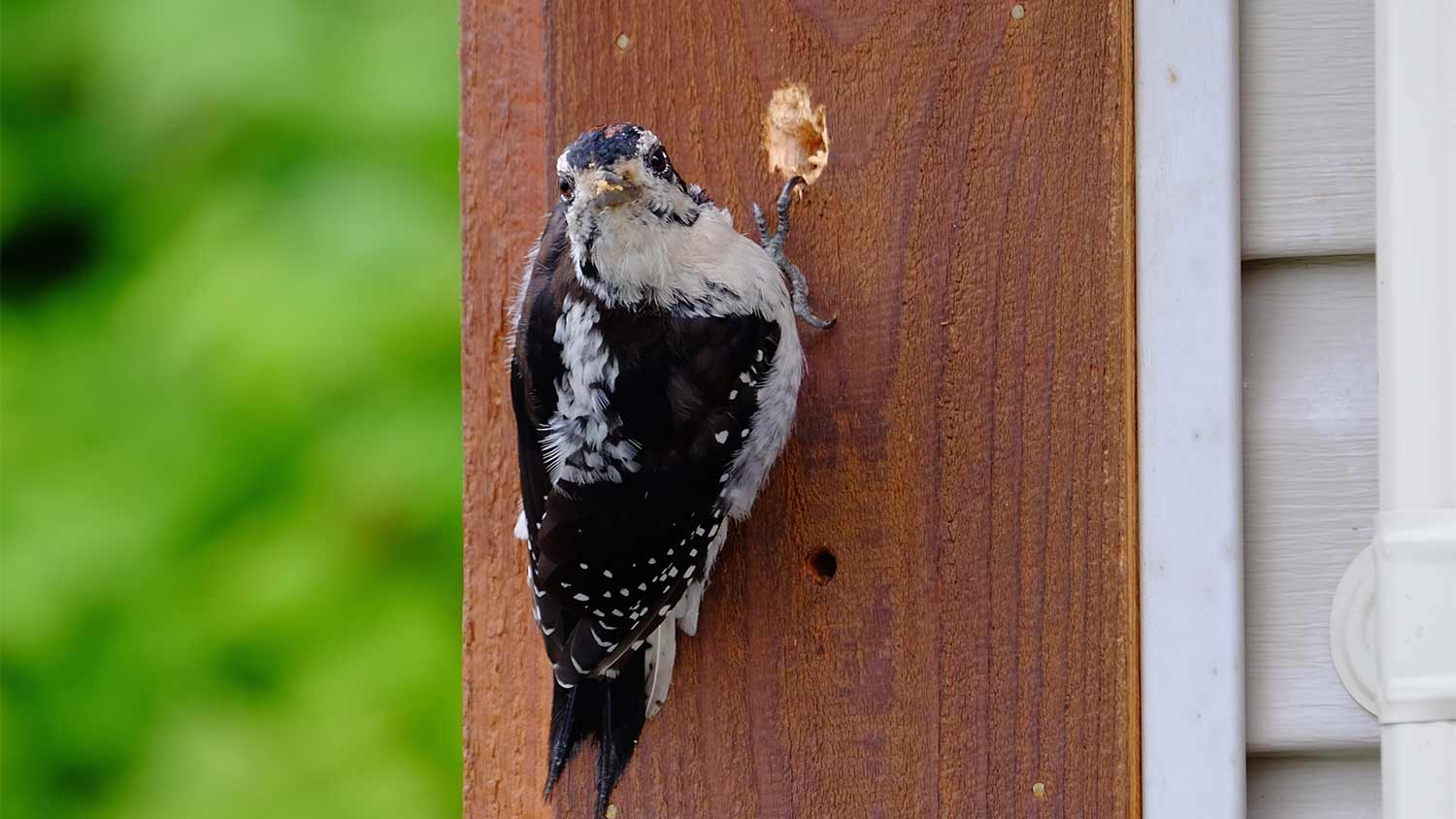
Woodpeckers may seek out homes with aluminum siding or tin roofs because these surfaces echo their drumming. Homes with wood siding are more frequently targeted as roosting areas or for food sources. If you have insects living in the exposed wood in your home, the birds are likely looking for a snack, in which case your best option is to hire an exterminator.
To keep animals out, you must prevent them from entering. As long as they can get in, the problem will persist. That said, consider making your attic less inviting using deterrents like motion-activated lights or ultrasonic devices. Additionally, keeping a well-maintained, clean, and uncluttered attic that you regularly inspect for activity may make the space less attractive to critters.
The Grafton, ND homeowners’ guide to bird control services
From average costs to expert advice, get all the answers you need to get your job done.
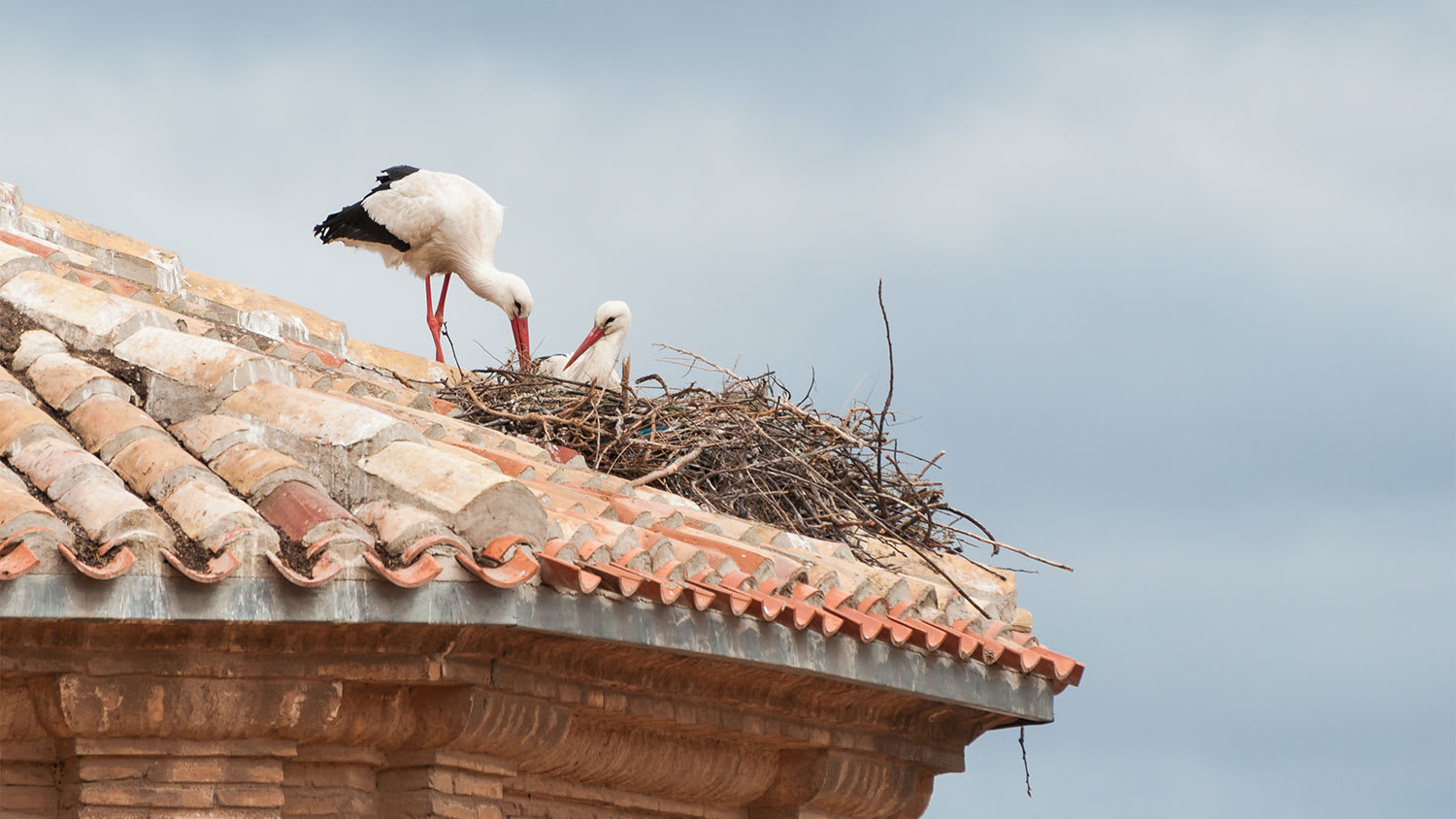
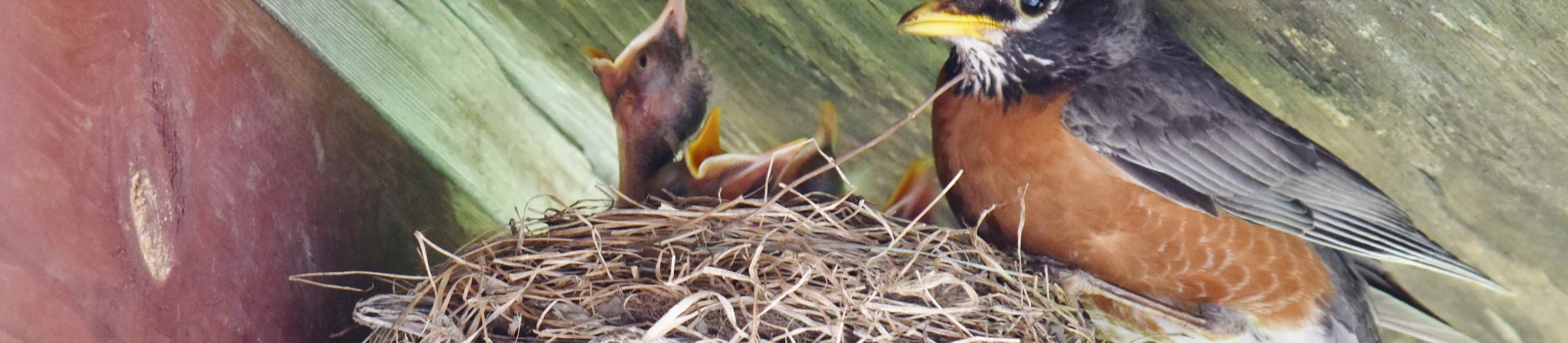
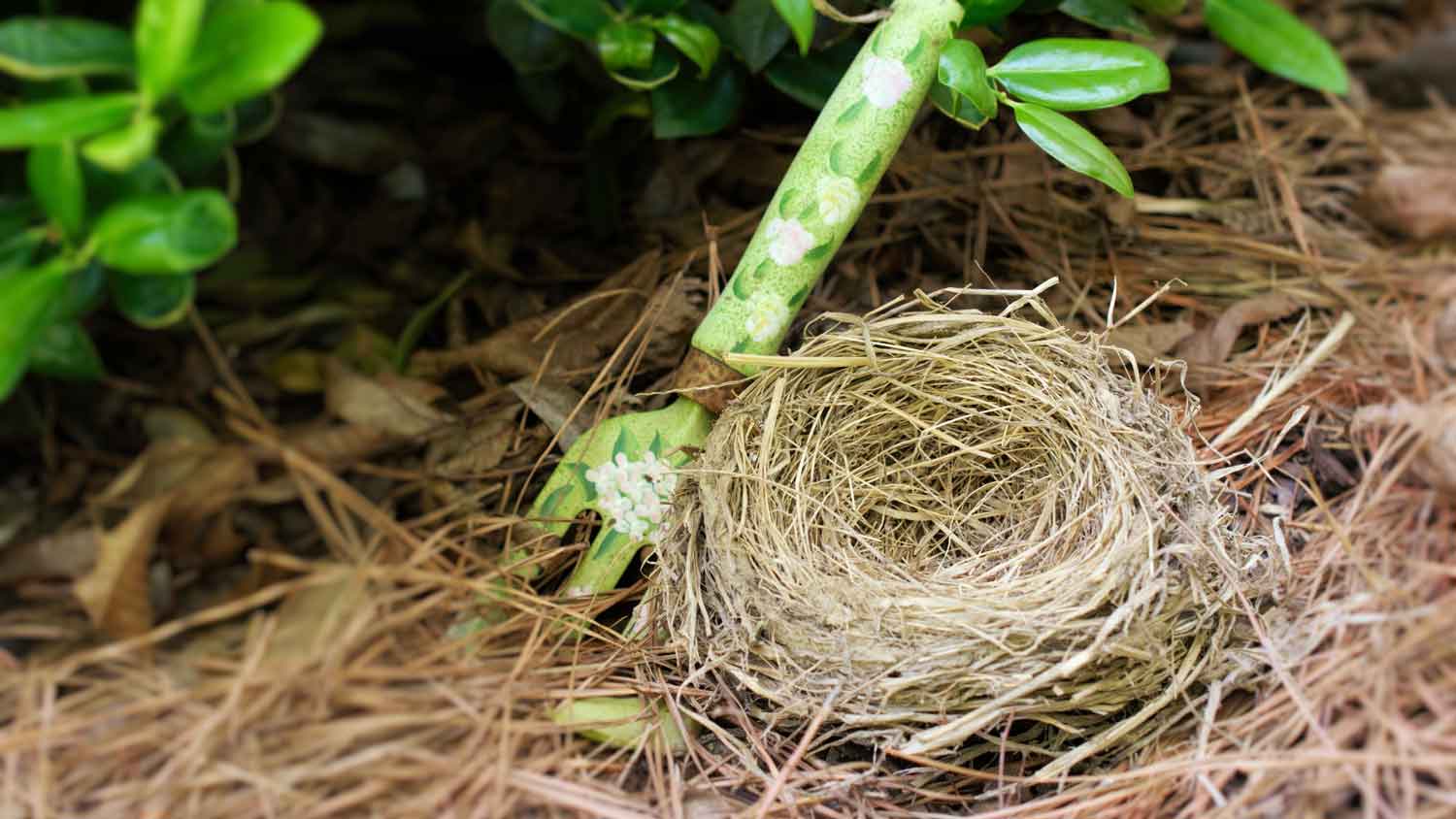
Sometimes birds nest in unwelcome places. Find out how much bird nest removal will cost based on factors like location, bird species, and preventative measures.