Since 1932, Presto-X (formerly Anderson Pest Solutions) has been providing expert pest control services guided by the enduring principles of providing world class service to our customers and taking care of our colleagues. Presto-X covers your home or business with expert knowledge, professionally licensed and trained technicians, and exemplary service designed specifically for you.
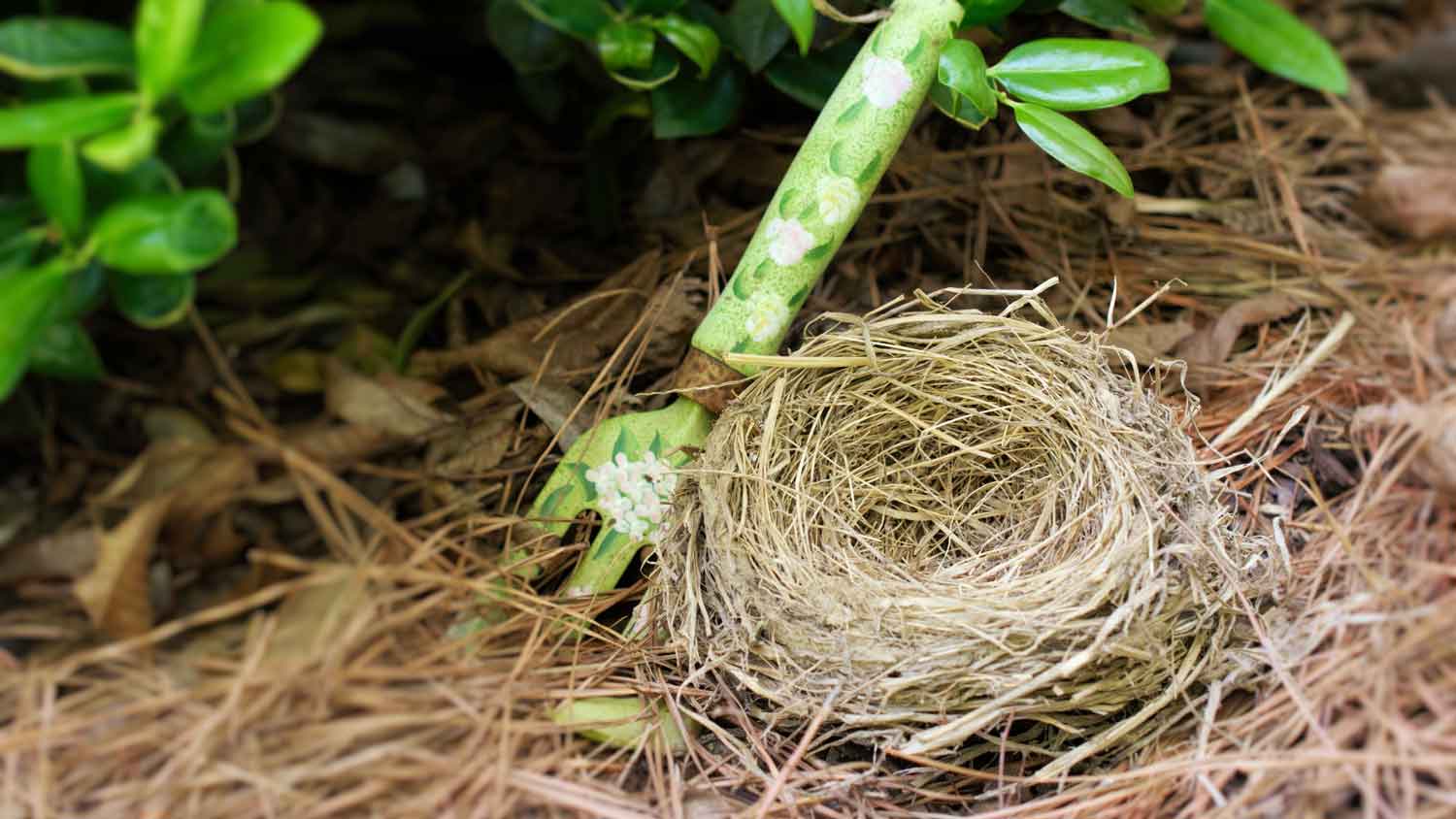
Metal coil-shaped retriever tools (around $50) help remove empty nests and debris from chimneys. Unless you are sure the nest is vacant, we recommend calling in a pro to handle bird’s nest removal from chimneys, vents, roofs, and other hard-to-reach places.
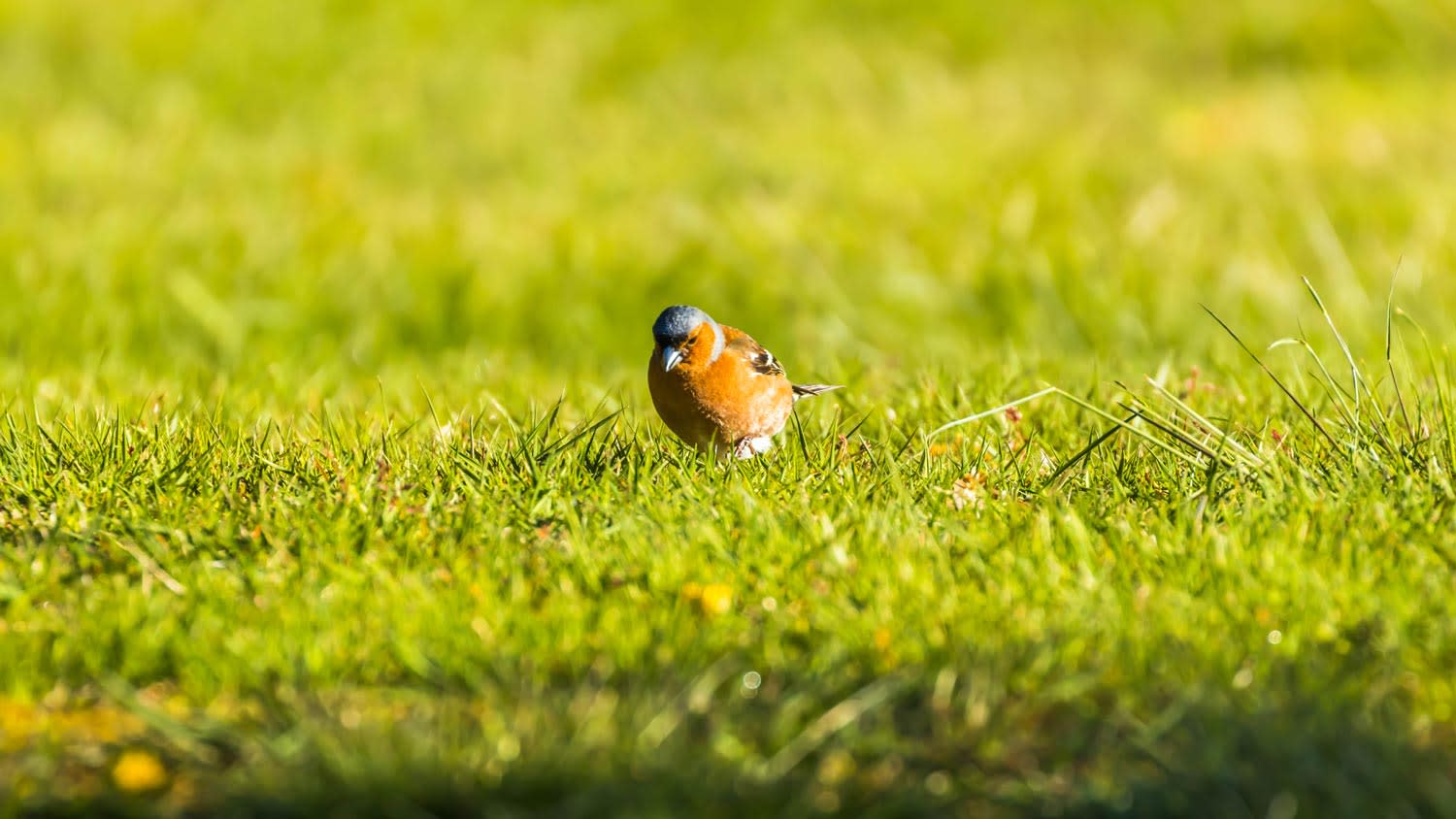
Birds eat grass seed for one simple reason—it’s delicious! The seeds are rich in nutrients such as carbohydrates, proteins, and fats. Seeds are also high in energy, so humans eat trail mix loaded with seeds and nuts for long-distance activities. Grass seed, when unprotected, is also exceptionally easy to access.
Yes, in some cases if your damper is left open, animals can come down your chimney. In these instances, it’s more likely that they have fallen in while looking for a safe spot rather than entered your house intentionally. Leaving your damper closed or installing a chimney cap can prevent animals from coming inside.
Maintain sealed entry points, use deterrents like spikes or sonic devices, and keep areas clean to discourage nesting.
High-frequency bird repellent devices are effective at driving away birds, which is their intended purpose. However, these devices also tend to have unintended negative consequences. For example, if you or your neighbors own pets, the high-pitched noise emitted by these electronic devices will cause them distress and may even make them aggressive.
The Karlstad, MN homeowners’ guide to bird control services
From average costs to expert advice, get all the answers you need to get your job done.
Sometimes birds nest in unwelcome places. Find out how much bird nest removal will cost based on factors like location, bird species, and preventative measures.