"I only use James when I need some work done to my house. He responds fast, gets the work done quicker than just about anyone else I've ever used and seems very concerned with leaving his customers happy."
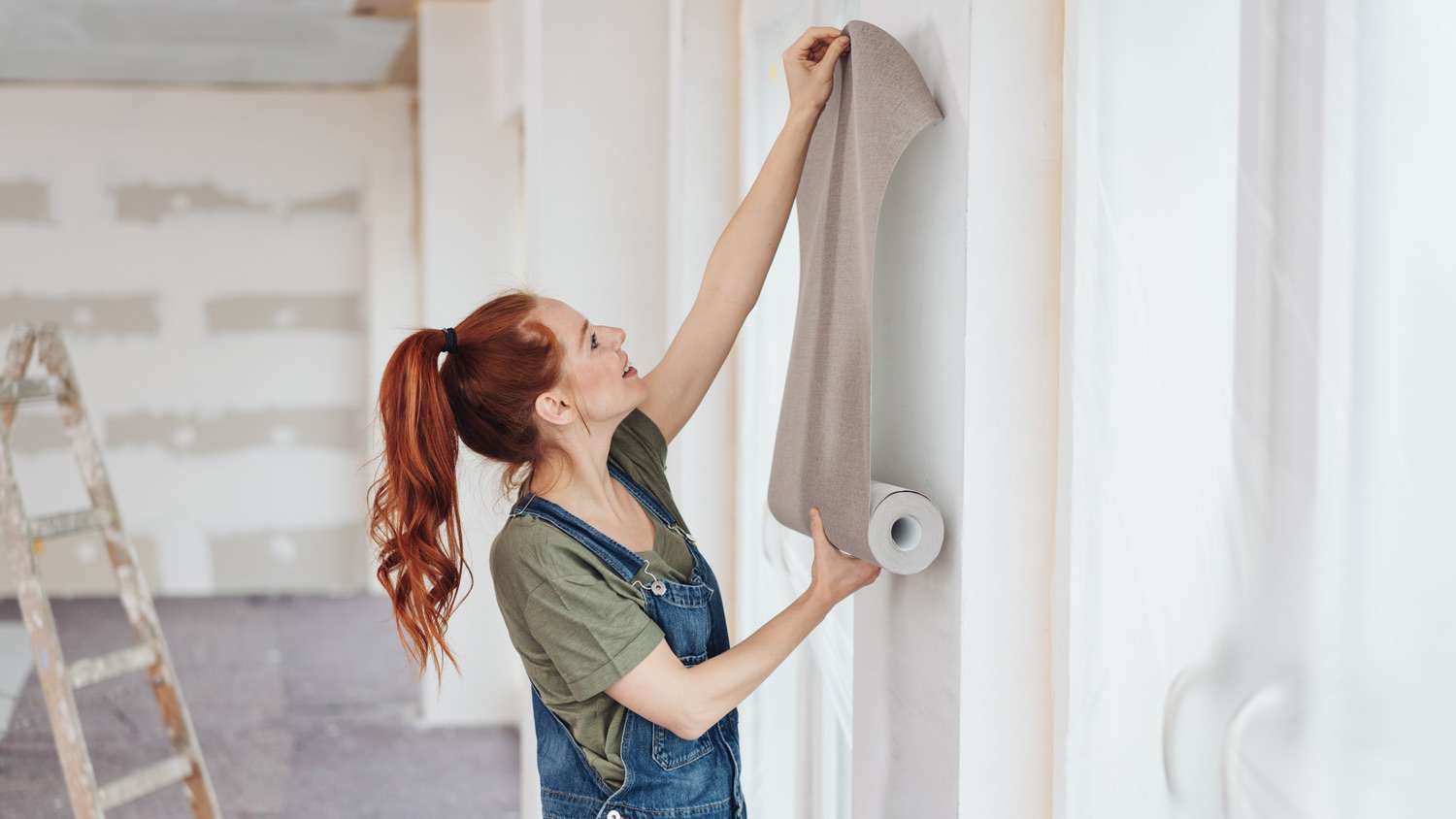
One of the biggest downsides to peel-and-stick wallpaper is that it doesn't last as long as traditional wallpaper. Its lifespan depends on several factors, including the quality of the paper, proper wall preparation and application, and the room's conditions. As a general rule, peel-and-stick wallpaper can last for at least five years, but this can vary significantly. Budget products may only last about 3 years, while higher-quality products can stay up for 7 years or more in ideal conditions. Factors that can shorten its lifespan include high humidity (such as in a bathroom), dirty walls, and low-quality paper. If used on flooring, expect it to last only 1 to 3 years unless sealed. However, the shorter lifespan can be seen as a positive, making it a great choice for people who enjoy switching up their interiors more frequently.
Spring and fall are the best seasons to apply wallpaper because excessively hot or cold temperatures can cause issues with the paste used to attach the paper to the wall. A professional wallpaper hanger can help you decide if your home is too hot, cold, humid, or dry for the wallpaper to stick properly.
Yes, you can apply peel-and-stick wallpaper over wood paneling, but it requires significant preparation for a good result. Peel-and-stick wallpaper has a weaker adhesive than traditional wallpaper and works best on smooth, non-textured surfaces like painted or primed drywall. Because wood paneling is often textured with grooves, any flaws in the underlying surface will likely be visible after application. To prepare the paneling, you must ensure the surface is free of cracks, holes, and protrusions by filling any indentations and sanding rough spots to create a smooth surface. An alternative is to remove the paneling and apply the wallpaper directly to the underlying drywall or plaster, provided it is in good condition.
If you prefer peel-and-stick to traditional wallpaper, you can skip the priming process. Many manufacturers don't require an additional primer if you’re installing peel-and-stick wallpaper to painted walls. However, if you’re applying peel-and-stick wallpaper to unfinished drywall, you’ll need to apply a primer first.
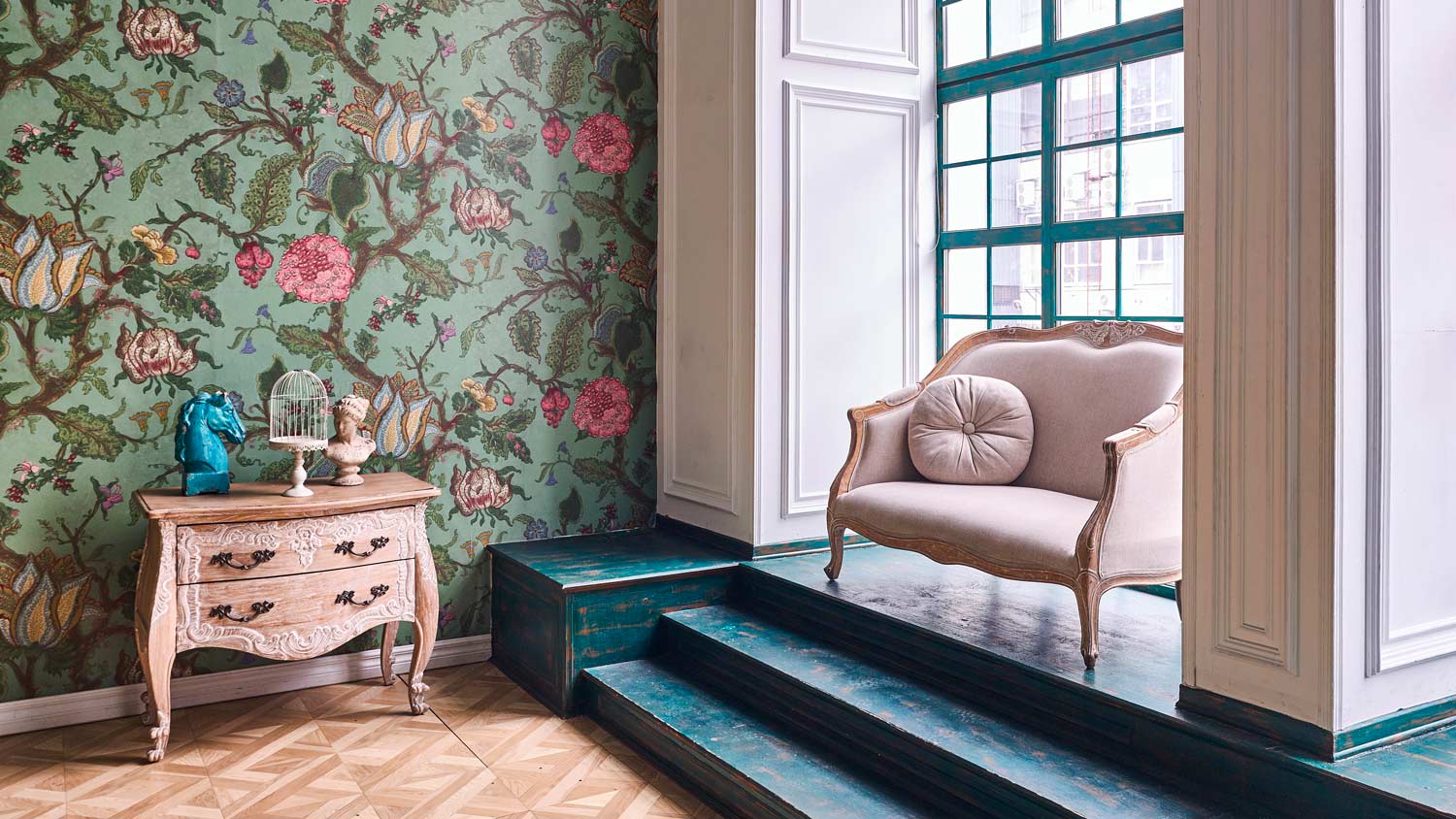
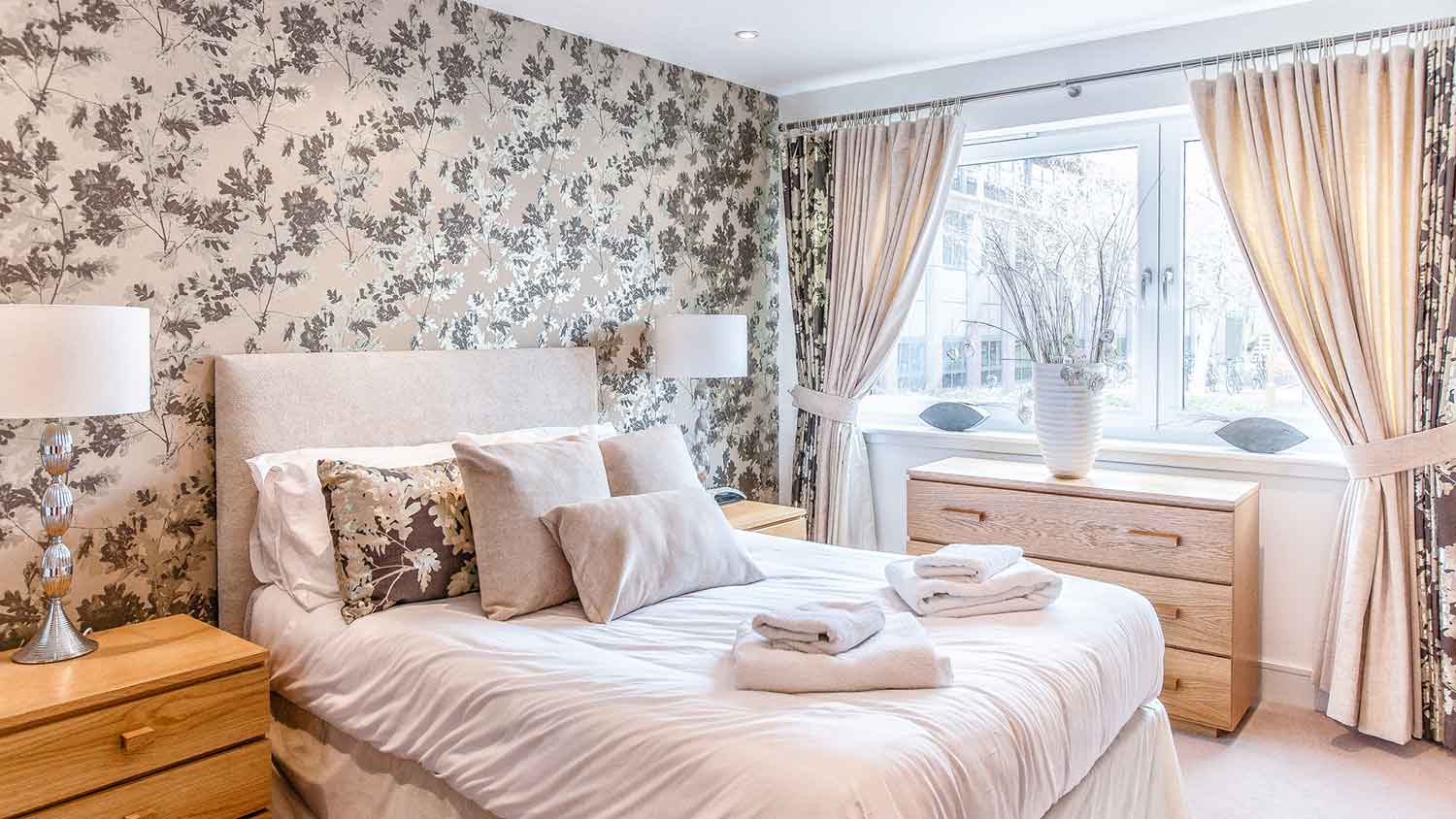
Accent walls have been a popular decor choice over the past two decades, and they don’t seem to be going out of style any time soon. They’re a quick and easy way to change the mood of the room without committing to painting every wall, and many homeowners like the visual interest they add to a room.
The Garrison, ND homeowners’ guide to wallpaper services
From average costs to expert advice, get all the answers you need to get your job done.
Discover wallpaper installation cost. Learn about material, labor, and project factors to estimate your budget and make informed choices for your home.
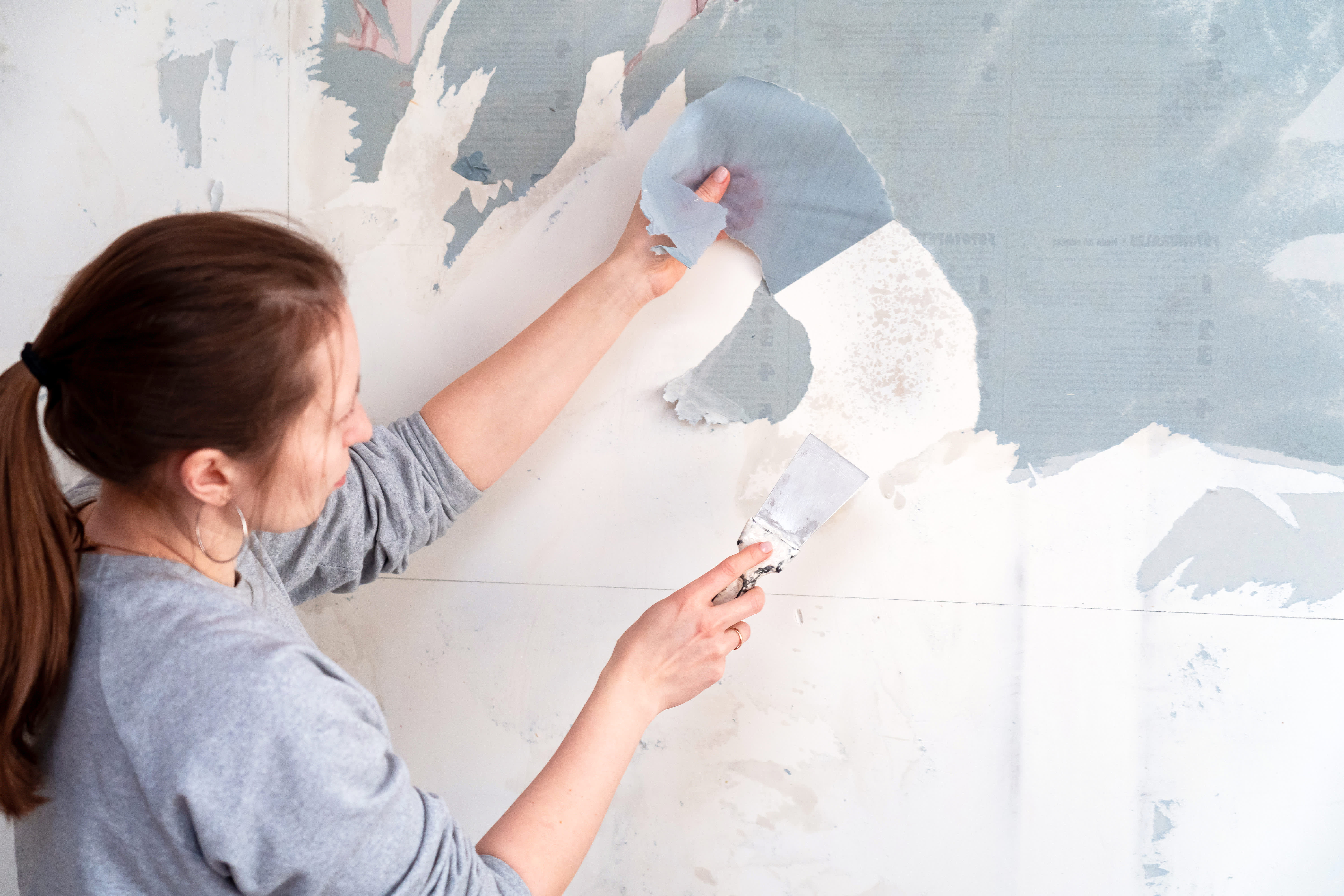
Wallpaper removal requires physical labor and can be a sticky mess. Consider these tips on the best ways to remove wallpaper to make the process as smooth as possible.
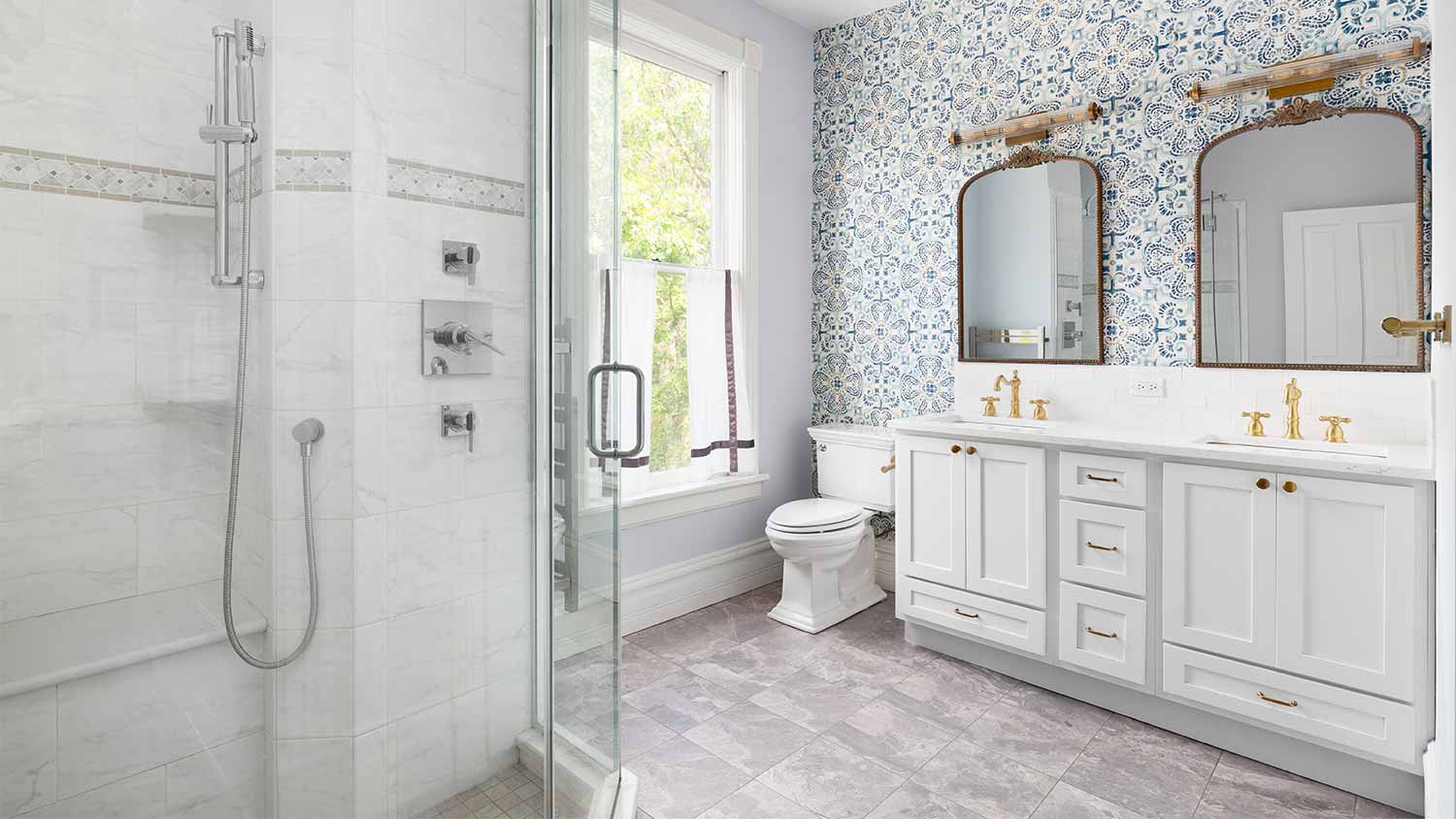
Is washable wallpaper suitable for bathrooms? Yes, but this only applies to certain types of wallpaper in specific situations. Here’s what you need to know.
Taking down wallpaper is a tedious and time-consuming job. Here are some tips on how to hire someone to remove wallpaper for you to make your life easier.