"I only use James when I need some work done to my house. He responds fast, gets the work done quicker than just about anyone else I've ever used and seems very concerned with leaving his customers happy."
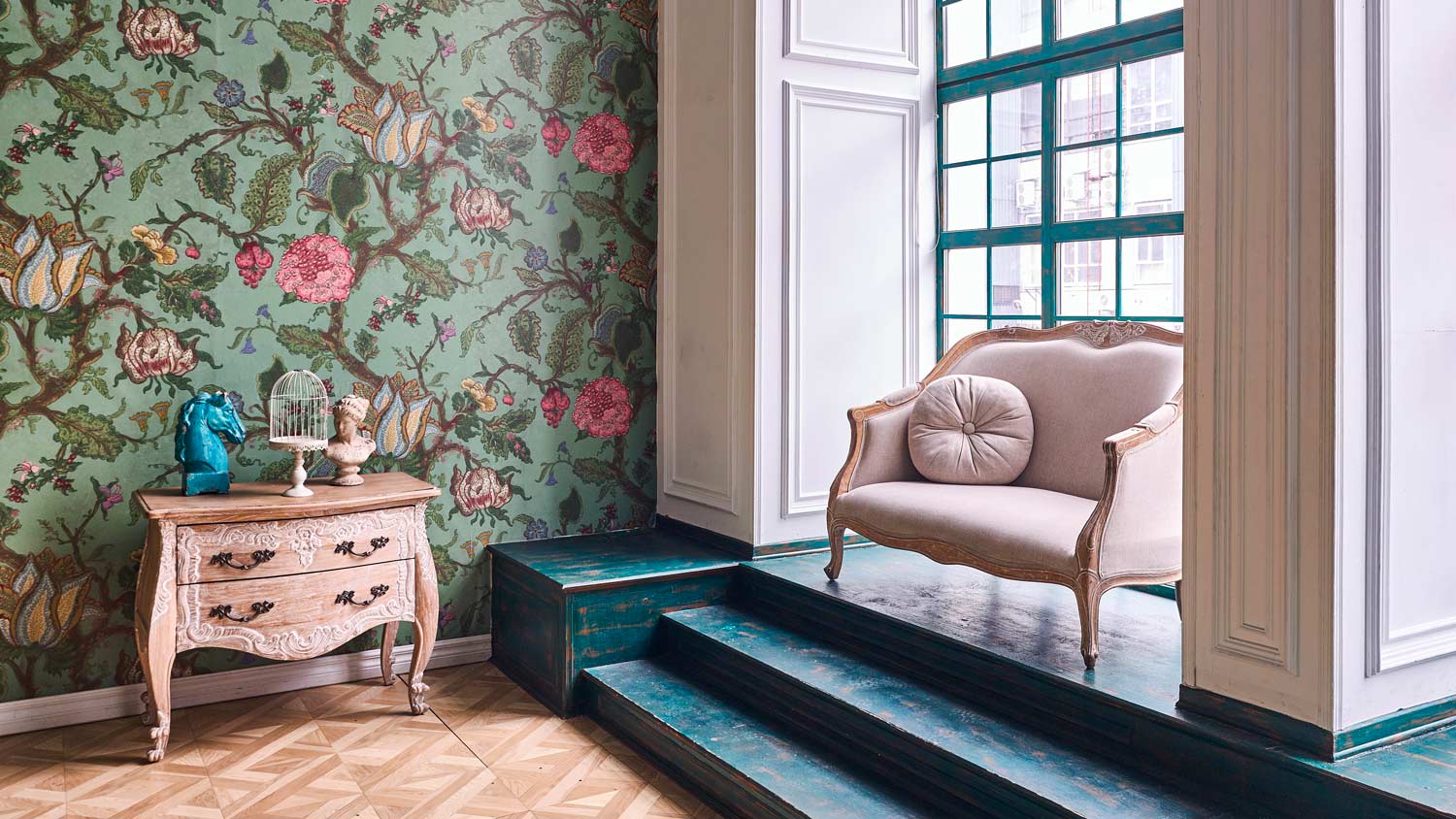
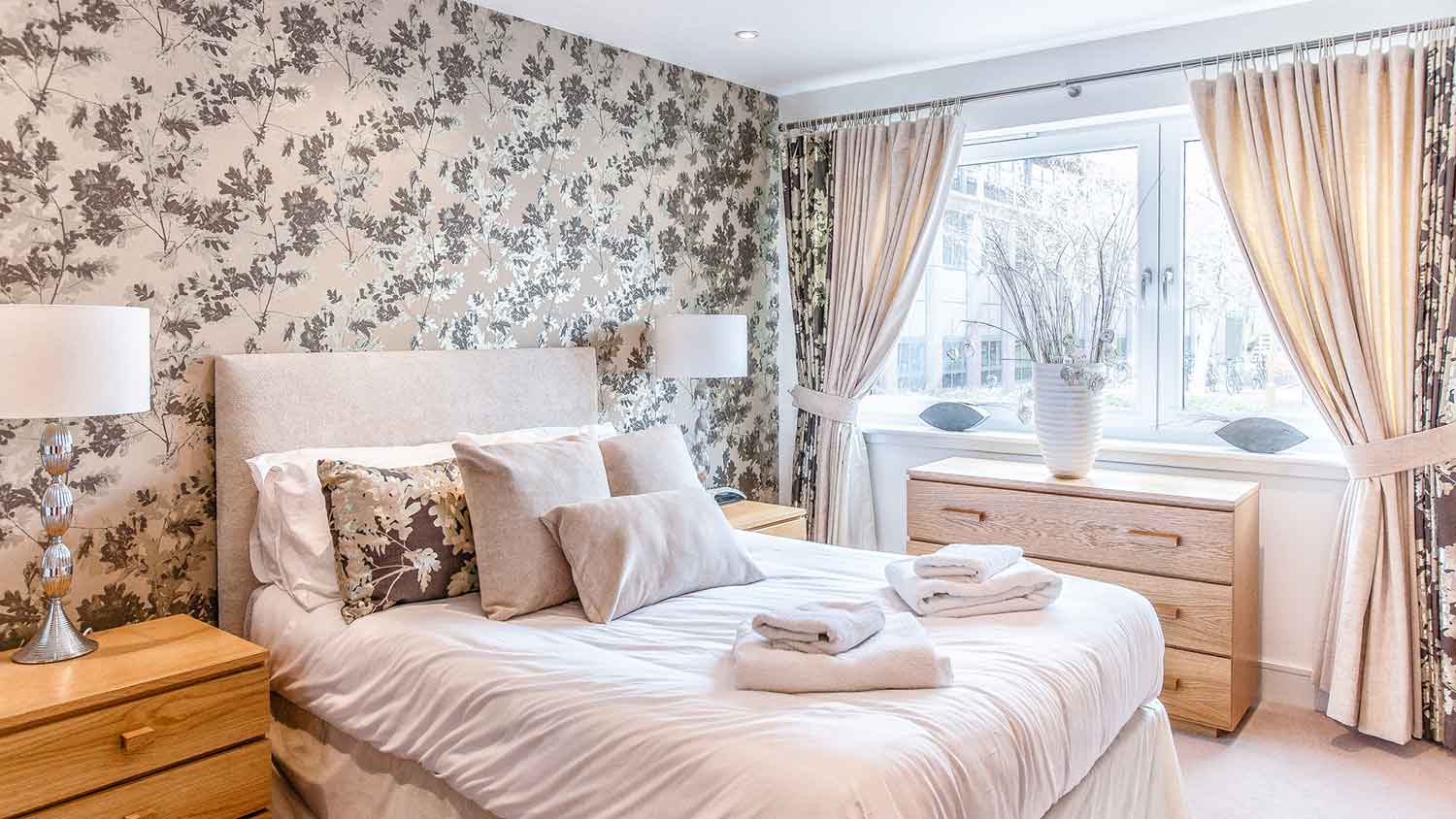
Many types of wallpaper exist, from removable peel-and-stick options to more permanent options that involve pasting. You can also find wallpaper that you can paint over, wallpaper with a texture, and wallpaper made from various materials, such as vinyl. Some types of wallpaper are washable, which can be a great option for kitchens or if your household has small children.
While peel-and-stick wallpapers require no time to cure, the adhesives for other types of papers will take a day or two to dry and up to three weeks to fully cure. The differences are the type of paper, the type of adhesive, and the humidity and temperature in the space.
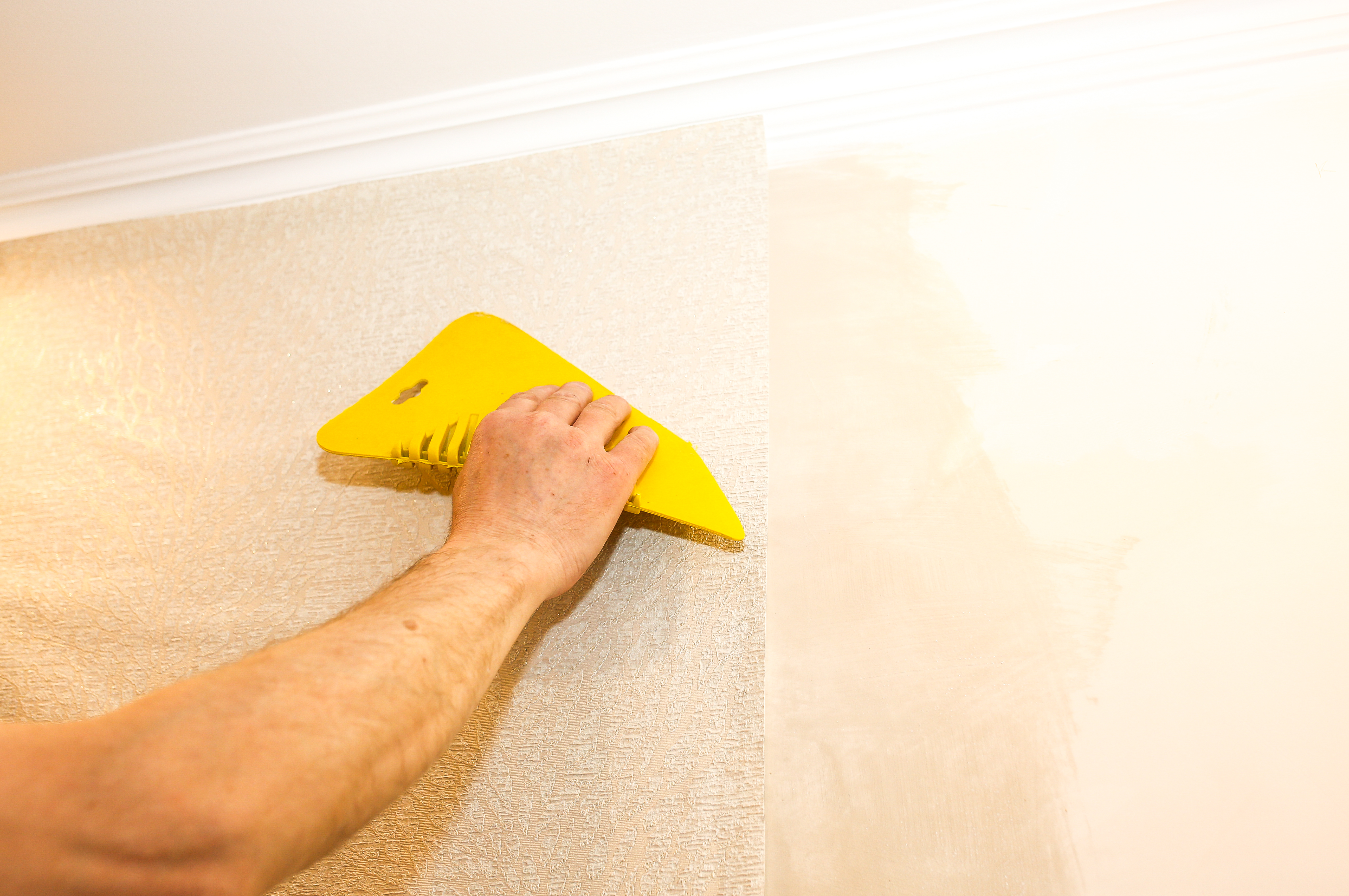
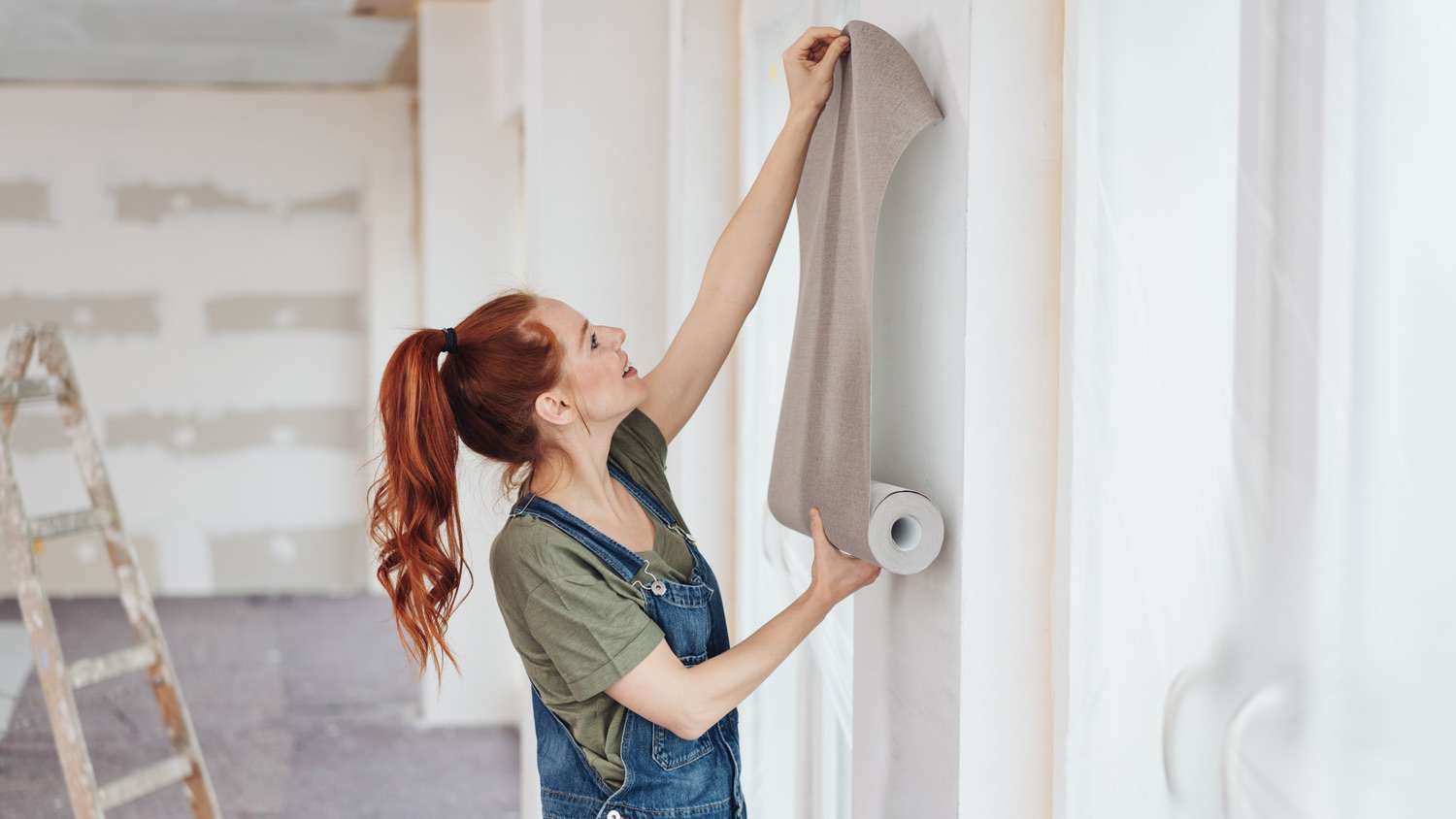
Putting up new wallpaper tends to take one to two days, depending on the size of the area, whether old paper needs to be removed, and if there is any damage to walls that needs to be smoothed over or fixed.
Because replacing pool tiles requires fully draining your pool, it’s a great opportunity to complete other projects. You may want to replace your pool’s vinyl liner or repair cracks. You might also replace your swimming pool heater or even take on the cost of resurfacing your pool. Resurfacing, although relatively costly, can help prolong the lifespan of your pool.
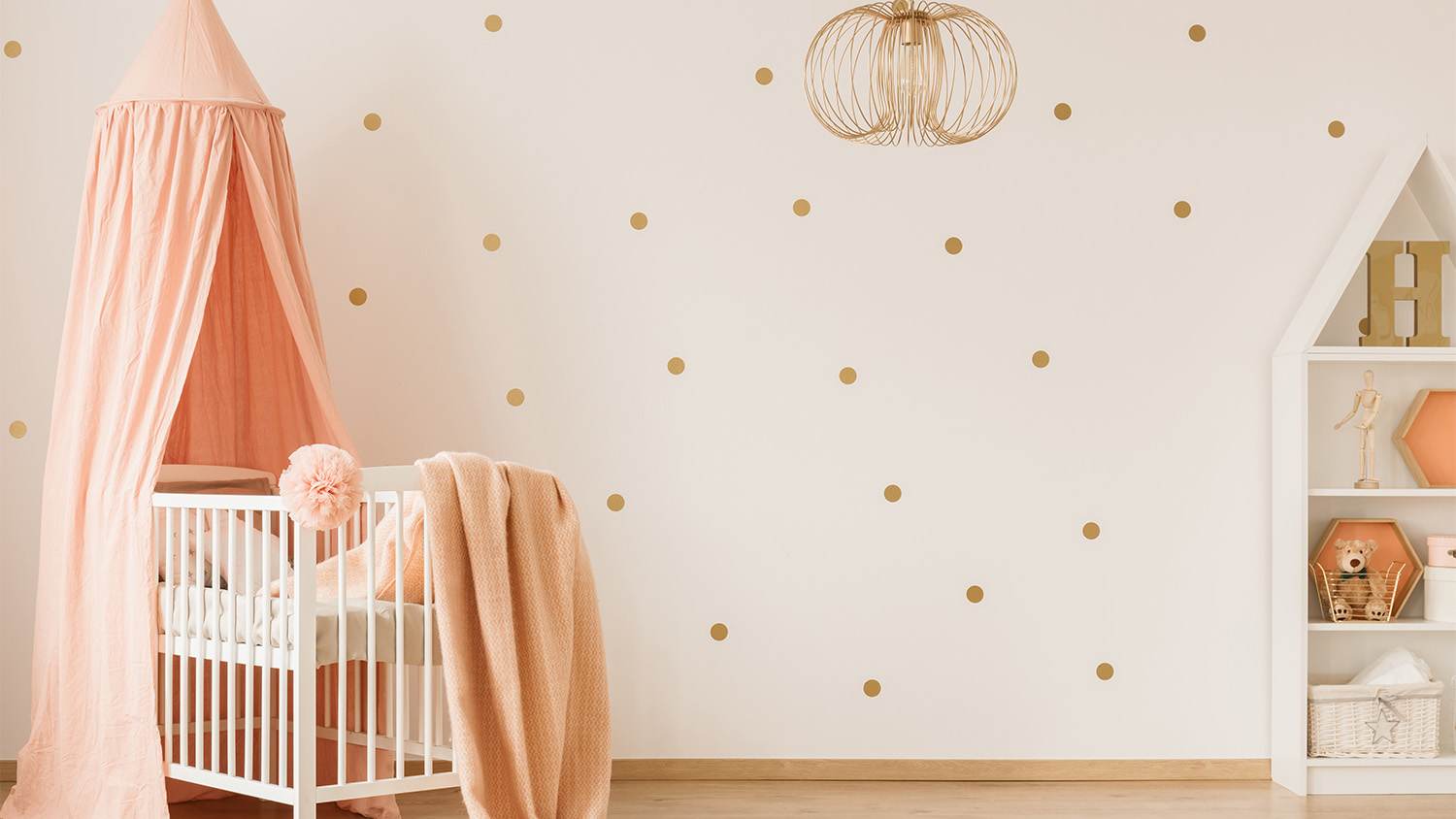
Deciding between a lighter or darker accent wall depends on the effect you’re going for. Choosing an accent wall in a lighter color will make a room feel brighter and more spacious and complement rooms with less natural light. A darker accent wall will add drama and depth to a room and help make larger rooms feel more cozy and intimate.
The Edgeley, ND homeowners’ guide to wallpaper services
From average costs to expert advice, get all the answers you need to get your job done.
Discover wallpaper installation cost. Learn about material, labor, and project factors to estimate your budget and make informed choices for your home.
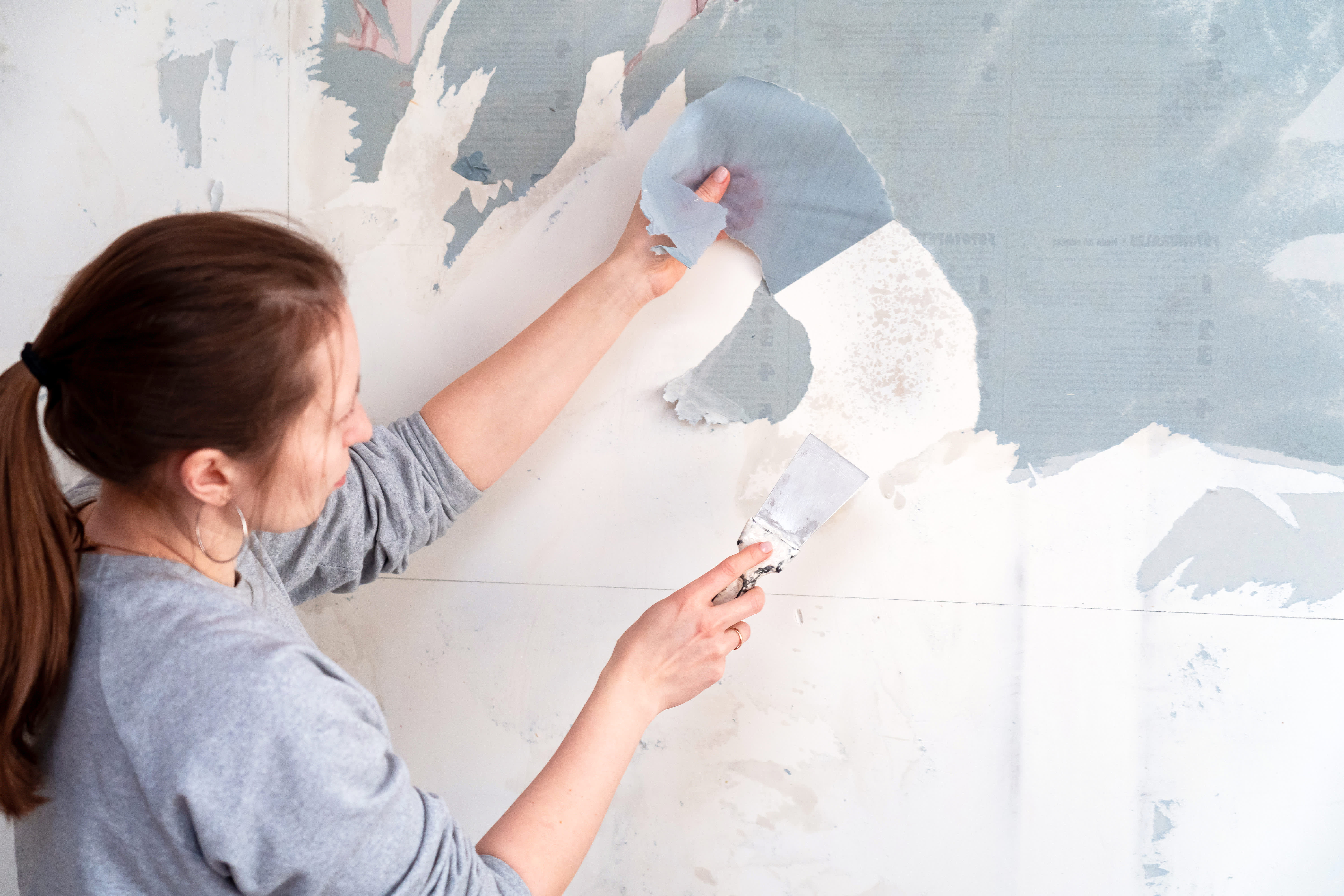
Wallpaper removal requires physical labor and can be a sticky mess. Consider these tips on the best ways to remove wallpaper to make the process as smooth as possible.
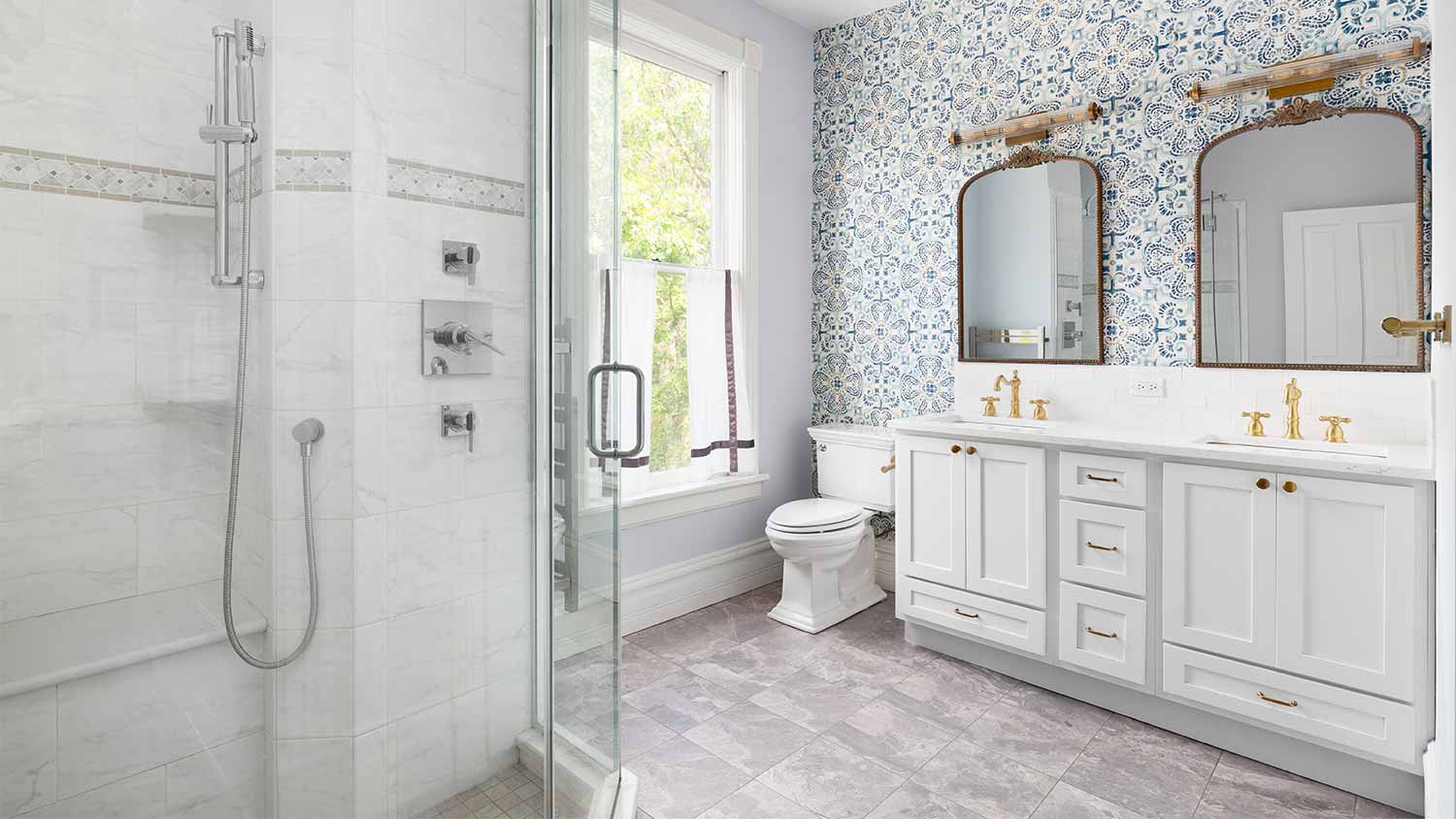
Is washable wallpaper suitable for bathrooms? Yes, but this only applies to certain types of wallpaper in specific situations. Here’s what you need to know.
Taking down wallpaper is a tedious and time-consuming job. Here are some tips on how to hire someone to remove wallpaper for you to make your life easier.