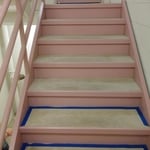
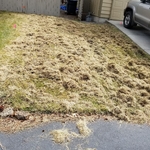
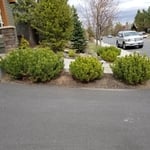
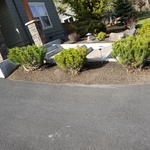
"He is willing to truly fix anything and if he does not know how he will be honest and let you know but will try to find someone that will be able to do it"
At Top Level Builders we are committed to delivering high-quality, reliable, and cost-effective construction solutions. With a focus on customer satisfaction and excellence, we aim to transform your vision into reality with precision, skill, and expertise.
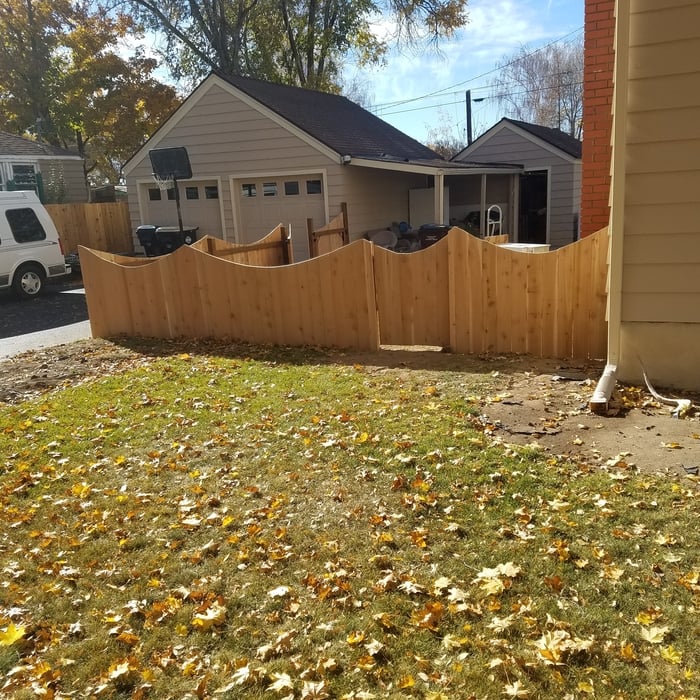
"We have a Vintage Art Deco home and Dave was the right person to give our home the care it needed. He is honest and kind keeping you updated on the progress of the project. The exterior of our home and block fence was in need of some assistance prior to being painted. We have an open styled block fence that required repair with tuck work and an area that was open needed to be enclosed with blocks. New blocks were found and placed into the existing fence. The stucco on our home needed repair. His skills are never-ending! The portion of Stucco required replacing looks original to the home after repair. He also repaired the exterior of all of our windows. When all was completed with repairs and our painter was not going to make it before the weather change Dave stepped yp and did a wonderful job!"
We are a locally owned and operated company that values honesty and integrity in all aspects of our business. Our major focus is on the quality our work and producing outstanding results. We are committed to creating a level of value unmatched by any of our competitors. We look forward to building lasting relationships with our clients and guarantee your satisfaction!\n
Welcome to Arnerson Remodeling, proudly serving North Dakota. With over 30 years of experience, owner and operator, Dean Arnerson takes great pride in his professionalism and customer satisfaction. For fast, reliable and efficient service, give us a call today. You will not be disappointed.
Im 38 and have been in the construction industry since I was 10. I've worked for Redlin Johnson for 5 years as well as Western Products for 5 year, also All New Gutter for 2 years. I wont tackle a job I cannot do and Im very honest and transparent about everything and warranty my work.
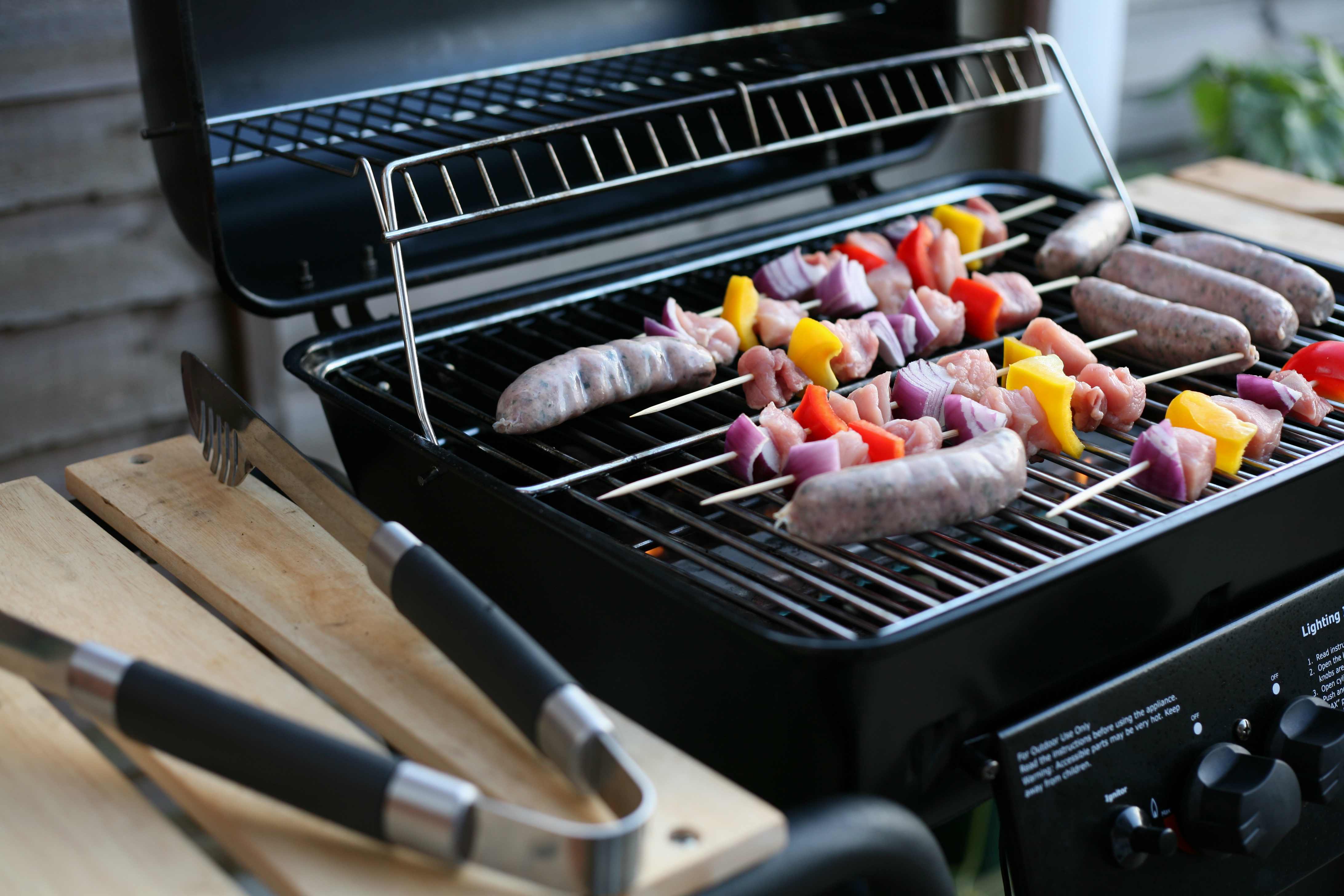
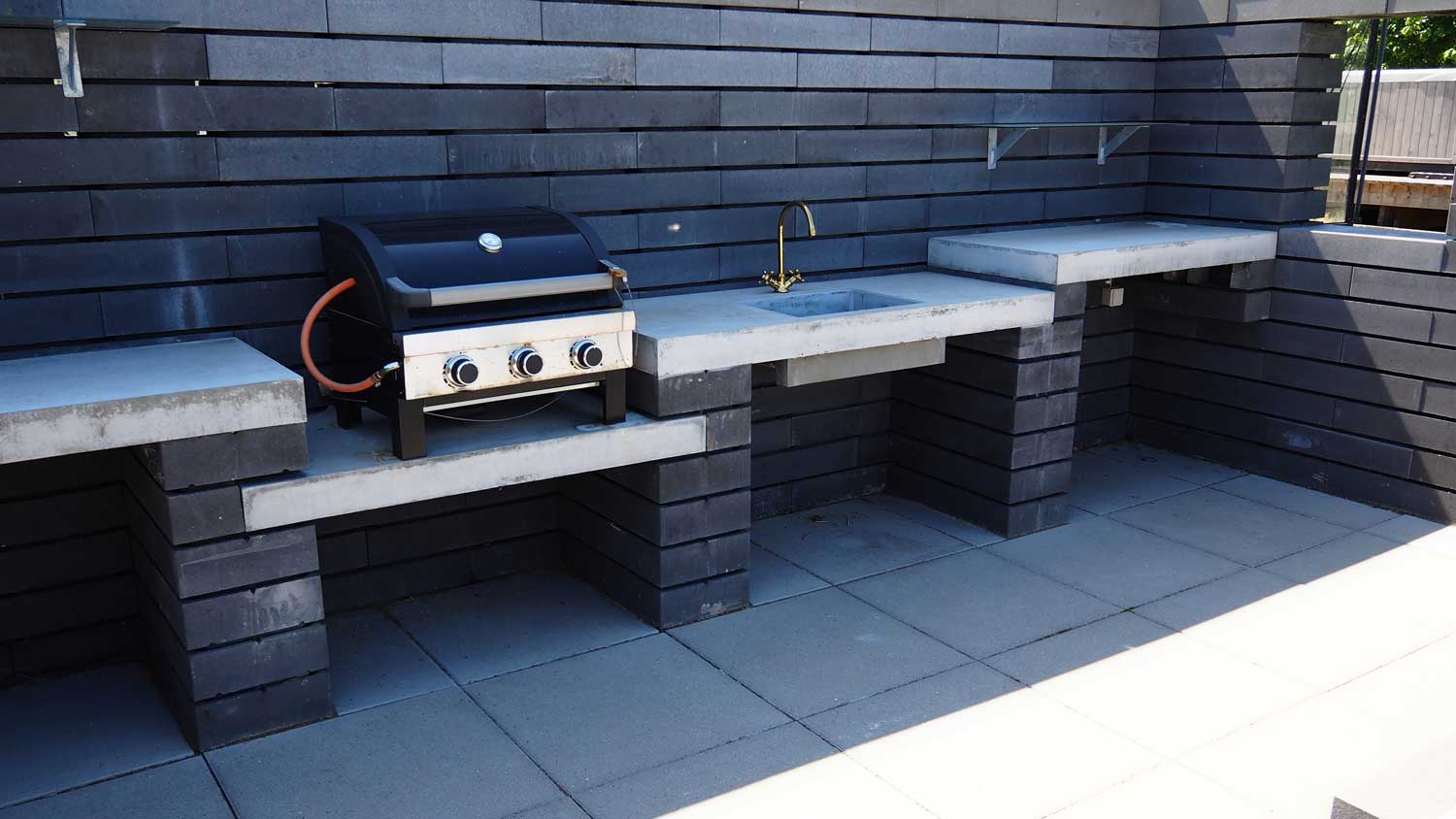
Built-in gas grills typically have a life span of 10 to 15 years. However, their longevity can vary based on quality, usage frequency, climate conditions, and maintenance routines. High-quality models made from durable materials tend to last longer. Additionally, regular cleaning, covering the grill when not in use, and conducting routine maintenance tasks such as cleaning burners and replacing worn-out parts can extend its life. A well-maintained built-in gas grill can provide excellent performance and memorable cooking experiences for a decade or more, making it a worthwhile investment for outdoor cooking enthusiasts.
The cost of a gas grill burner ranges from $10 to $100 or more, depending on the brand. If you’re replacing one burner, consider replacing all the burners simultaneously. Although it will cost more upfront, it will save you the hassle of replacing a burner every few months, and your grill will cook more evenly and efficiently.
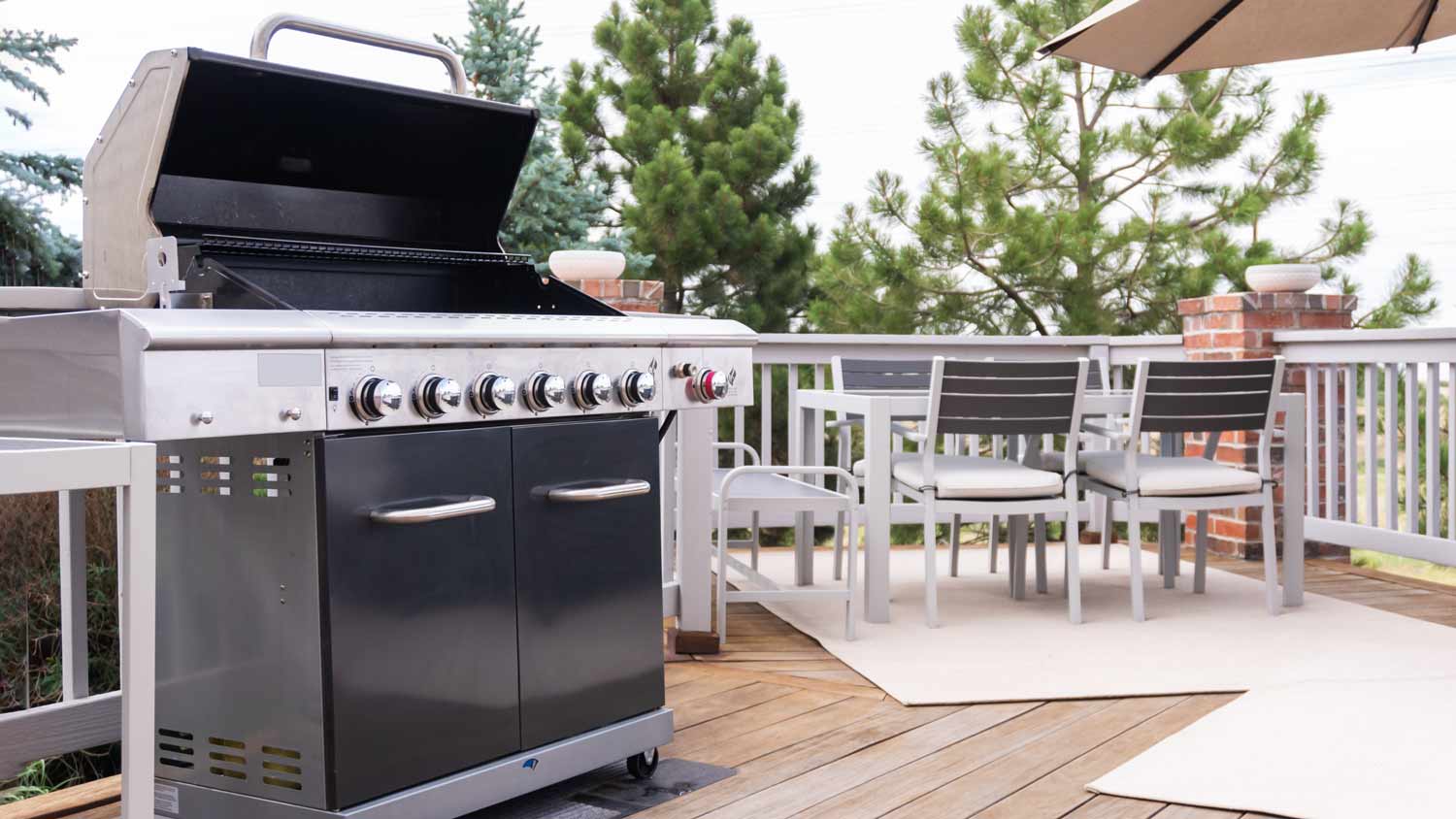
On average, a gas grill can last from five to 15 years. The exact lifespan depends on several factors, including the brand and quality of the grill, frequency of use, and whether the gas line is buried or above ground. With proper maintenance and care, such as regular deep cleanings to remove food, grease, and carbon deposits, a grill's life can be extended. Protecting the grill from the elements with a cover can also prevent rust and reduce the need for repairs. Most grill manufacturers also offer extended warranties, which vary in coverage and terms.
Most likely, a gas plumber would be the best pro for many components in your home, and you might not even realize it. Natural gas plumbers are responsible for maintaining and installing natural gas lines, including installing appliances that use natural gas. These can include:
Fireplaces
Water heaters
Furnaces
Hot tubs
Clothes dryers
Ovens
Outdoor grills
Gas plumbers are also the pros that would handle a natural gas leak in your home, so it's essential to know the signs of a gas leak before it becomes a dangerous situation.
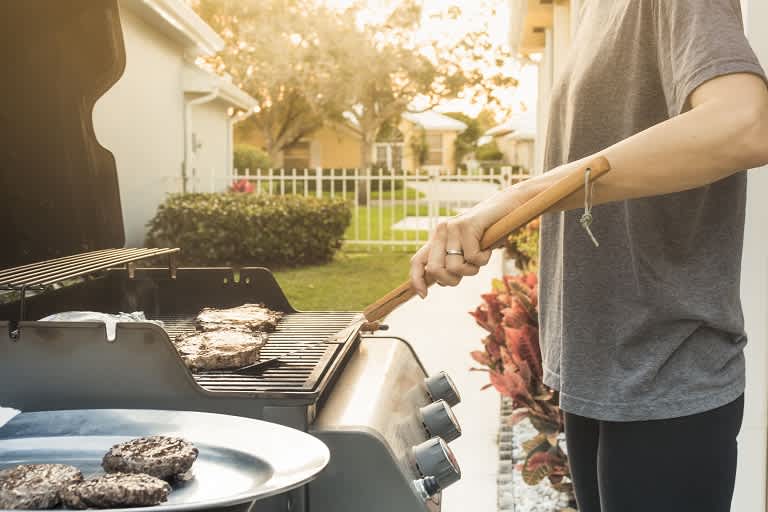
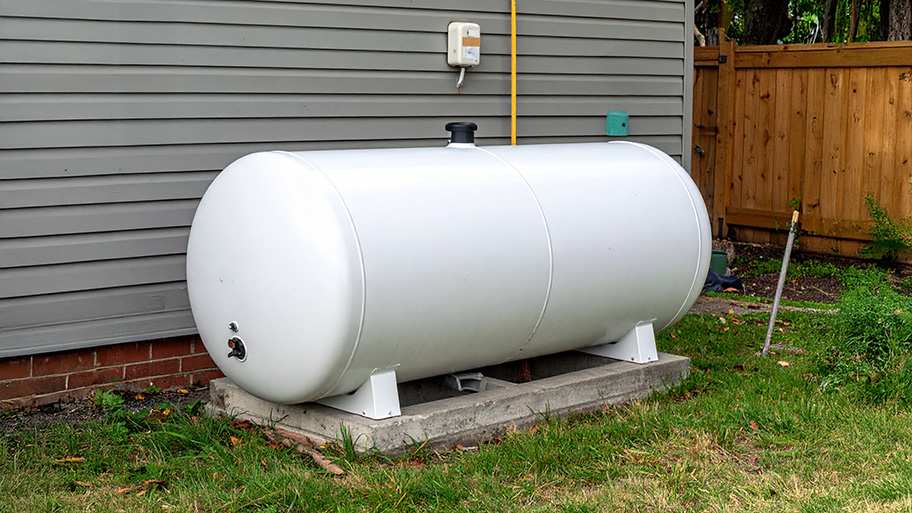
The most significant benefit of having a gas grill over a propane grill is that you never run out of fuel unless there’s an outage in your area, which is rare. Unlike with a propane grill, you’ll never need to haul tanks back and forth to a local fill station, and you’ll never find yourself unable to use your grill because you forgot to refill your tanks. Gas grills also burn slightly cleaner than propane grills, and natural gas costs significantly less than propane, meaning it’s more affordable to run your grill.
The Edgeley, ND homeowners’ guide to grill assembly services
From average costs to expert advice, get all the answers you need to get your job done.
Planning a new outdoor cooking space? Learn everything you need to know about gas grill installation costs, setup options, and how to hire a local pro.
Don’t leave your grill behind when moving house. Learn how to move a grill safely so you can enjoy a home-cooked meal on your first night in your new place.