Leaf removal isn’t usually necessary, and in fact, leaving leaves where they fall or mulching them instead can provide nutrients to your soil that can be good for your lawn and garden beds. Most homeowners prefer the look of a lawn that is neat and clean, though, so the majority of people prefer to pay for leaf removal. There are some cases where you might have to pay for leaf removal, like if you live in a strict homeowners association that mandates the service or a generally clean lawn.
Using a leaf blower is often the easiest way to pick up leaves. It quickly and efficiently gathers leaves into manageable piles, requiring less physical effort than manual raking. Additionally, you can choose to bag the collected leaves or use a mulching mower to break them down into natural mulch, simplifying the cleanup process further.
Alternatives to a dumpster include junk removal services and dumpster bags. These are good options if you have limited space and can’t fit a dumpster on your property or if a dumpster isn’t available. You can also take smaller loads of waste to a disposal facility yourself if you have a vehicle that can fit your items.
While a rented dumpster can handle a wide variety of materials, there are significant restrictions on what is allowed. Generally, you can dispose of most non-hazardous household junk, yard waste, and construction debris.
Accepted items typically include:
Furniture, carpets, old linens, and toys
Wood and yard debris
Small appliances and excess trash
Renovation waste like old finishes, building debris, and roofing materials (unless they contain lead paint or asbestos)
However, you cannot put toxic, flammable, or hazardous materials in a dumpster. Prohibited items almost always include:
Paint, gasoline, oil, and other fuels
Household cleaners and other chemicals
Electronics, batteries, and tires
Refrigerators, hot water tanks, and medical waste
Since regulations can vary by location and company, it is essential to check with your dumpster rental provider for their specific list of accepted and prohibited items before you begin.
To remove old grass effectively, you typically need to dig to one to two inches. This depth typically allows you to reach the root system of the grass, ensuring thorough removal. However, if the grass is a particularly dense or deep-rooted variety (such as Bermuda grass), or if you're planning to replace it with a different landscaping feature, you may need to dig deeper to loosen the soil and remove any underlying roots.
The Crosby, ND homeowners’ guide to brush chipping services
From average costs to expert advice, get all the answers you need to get your job done.
If your painted deck is less than appealing, it's time for a refresh. DIY your paint removal from your deck to enjoy your outdoor space for many seasons.
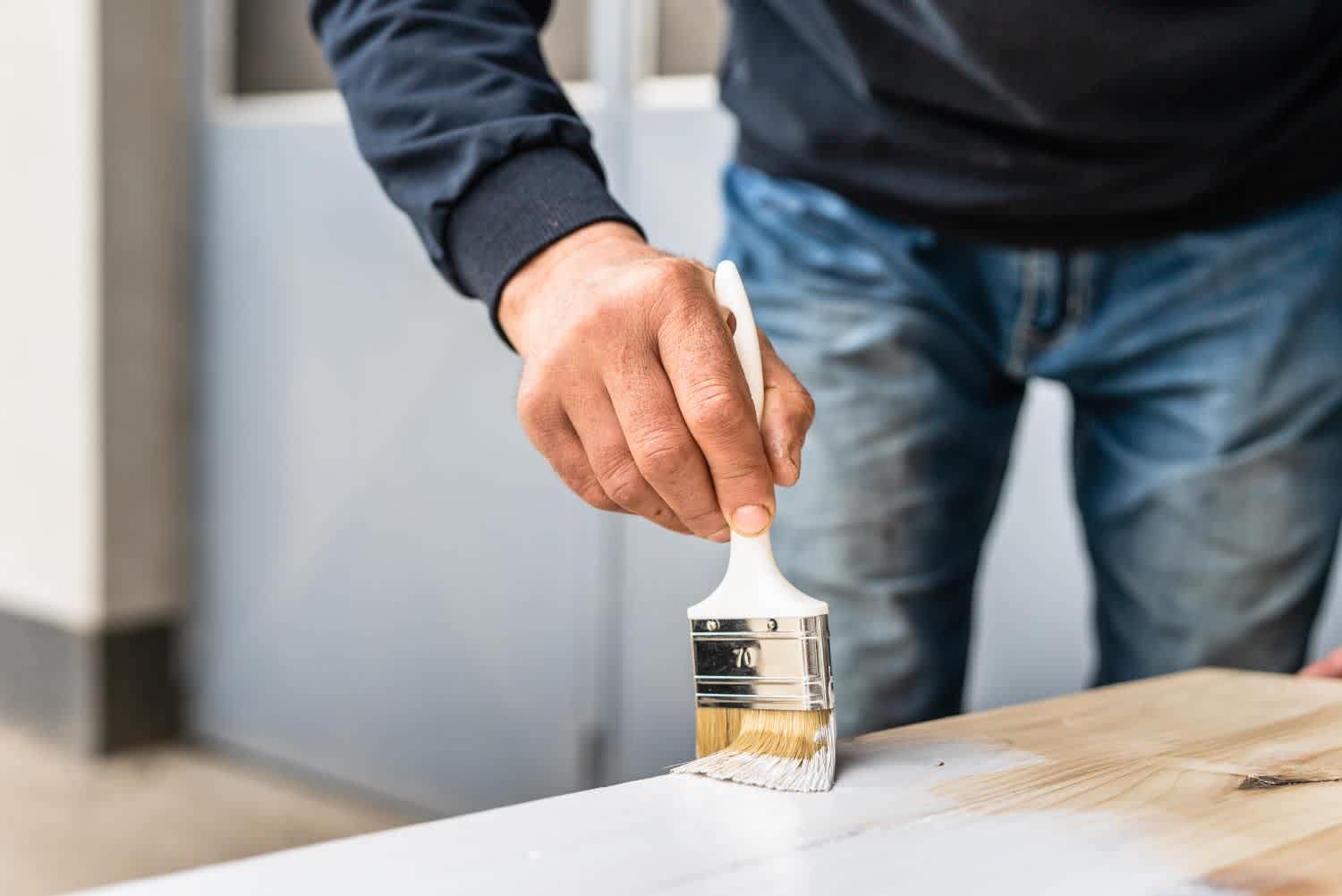
Cleaning the latex paint from your brushes is the easiest part of the entire painting process when you have the right tools and techniques. Find out how to clean your brushes like a professional painter with these three simple tips.
Revitalize your stainless steel with a fresh coat and color of paint. Find out how to paint stainless steel and create a new look for your appliances or countertops.