"AHS is ok. They cover repairs of most everything under the roof of your house. The companies that contract with them are not always the best. You call AHS with the issue, they send a fax to the repair company and give you the contact info. If they don't contact you within 24 hours, you call them. Sometimes they answer, sometimes they don't. When they arrive (usually three days or so later), they service the item. if it has issues within the 90 days, you call AHS again, they are sent out with no charge. If the serviceman decides the unit is unrepairable, AHS will allow you to choose a replacement from their listing (usually not as good as what you have) they will install and remove your old item, or give you wholesale amount to buy and install your own. Prices vary on what you want covered and what you want the copay to be, plus where you live. For me it is 49.99 per month with a 75.00 time of service order. You can have more than one item serviced at the same time under the same fee. If you have a SEAR product the repair guys are great. Not that wild about the other ones they send out. But it is a big savings compared to calling someone on your own. The cost of service is only the 75.00 copay."
Clean regularly with non-abrasive cleaners, avoid pouring grease down the drain, and check for leaks under the sink.
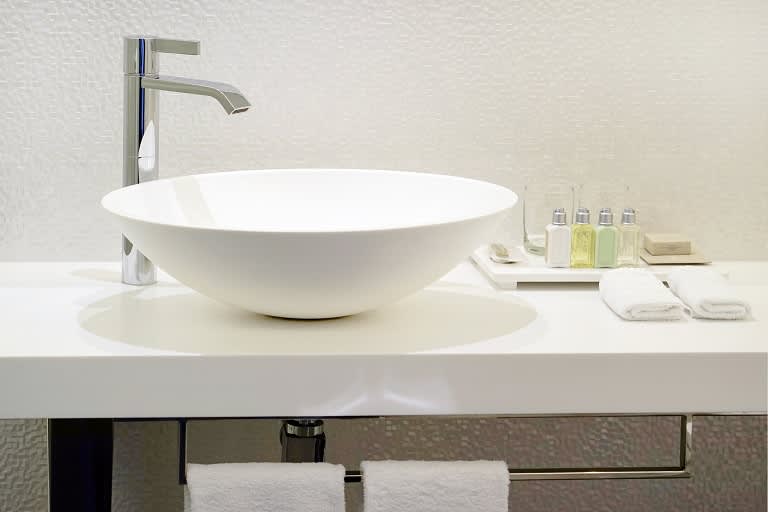
Install the sink between 30 inches and 34 inches away from the floor. However, this height could be adjusted accordingly for particularly tall or short residents. To accommodate wheelchair users, the vanity should leave a space underneath that is at least 29 inches tall, 30 inches wide, and 25 inches deep.
You’ll only need to replace your sink’s pipes when you start to notice signs of wear like corrosion or leaking. Most pipes last somewhere between 20 and 100 years, depending on the material. Copper and cast iron can last up to 100 years. Galvanized steel and brass generally have a 50-year lifespan. PVC pipes last 25 to 40 years.
Yes, you can install an undermount sink with laminate. Installing an undermount sink with laminate countertops requires a superior adhesive to keep moisture away from the particleboard within the countertop. An undermount sink offers better hygiene since there’s no sink rim promoting bacteria growth, offers a streamlined appearance, and makes wiping away messes a breeze.
Yes, you can usually replace a sink without replacing the vanity. It really depends on the type of vanity and the type of sink. You’ll need to make sure you purchase a sink that will fit in the existing space. This requires precise measurements. You’ll also have to carefully remove your old sink, making sure you don’t damage the countertop during the replacement.
The Cooperstown, ND homeowners’ guide to sink installation services
From average costs to expert advice, get all the answers you need to get your job done.
Sink installation costs depend on the type of sink, the material, and the labor. This guide can help you budget for your project—from pedestal to farmhouse.
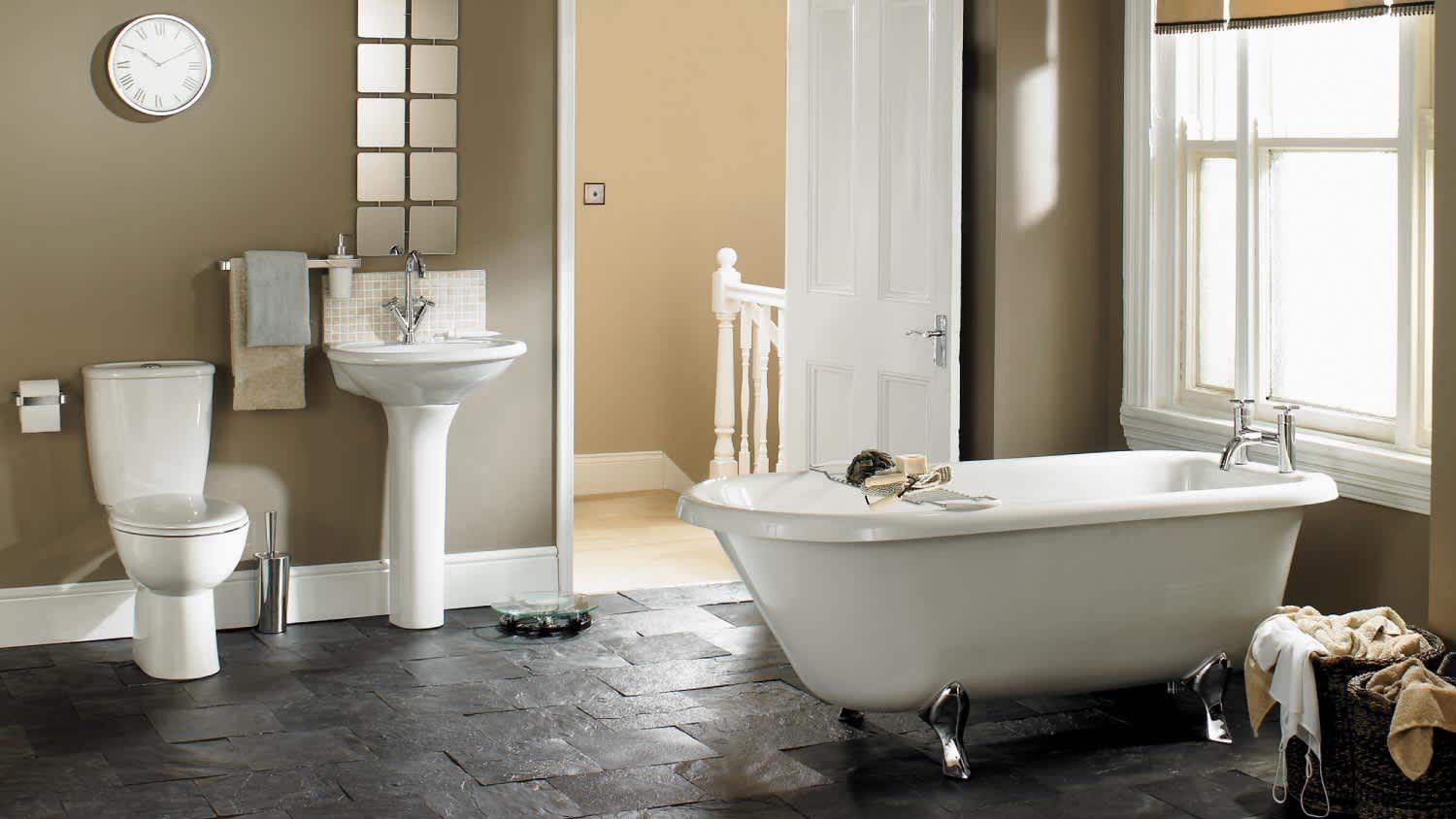
Pedestal sinks are small bathroom wonders, but how much does a pedestal sink installation cost? Learn the cost factors for adding one to your bathroom.
Learn how to hire a qualified sink installation pro. Discover questions to ask, qualifications to check, and tips to find the best pro for your project.
Installing a new kitchen sink involves removing the old sink and putting in the new one. Follow these steps to learn how to install a kitchen sink like a pro.