"Showed up on time quick installation done and out. Nathan very nice guy to deal with. Had a few problems with the final job. Called and they came over right away to fix the problem. Just think they were just in a hurry to complete the job. Over all great job is done by the crew. Thanks guys."
"The furnace took 4 days to get approved( not counting a Sunday) the others were quick but the water heater had to be ordered so without hot water for a week. One ceiling fan was easy but within a year their policy changed and They would not install the one I purchased and had to get a new one approved and then ordered online and took several weeks to get straightened out. Not sure who was at fault, AHS, installer or scheduling with renter. Fee is usually $75 per visit"
With years of experience serving the Dickinson area, we are your solution for all your electrical needs. We take great pride in our extreme professionalism, timeliness and superior customer service on every job. We make sure to develop a lasting relationship so that the next time service is needed there will be no question on who to call. Check out our 5 star reviews from happy customers! Call us today so we can discuss your needs and make a plan that fits your budget. Satisfaction guaranteed!
Bathroom Fan Installation questions, answered by experts
WD-40 in its liquid or aerosol form is highly flammable. Using it around live electrical parts, such as a bath fan, can generate fire and a dangerous condition. However, if you follow proper safety procedures, including disconnecting the power to the fan before working on it, WD-40 can help remove some of the grime that builds up in your bath fan.
A whole-house fan will not allow you to control your home's temperature and keep it at a specific temperature like a traditional AC unit would. You rely on the night and morning weather to cool your home down efficiently. Also, whole-house fans can be loud and may allow cold air to enter your home in the winter. They also require penetrations through your exterior walls or roof, which could invite water and pests in if they aren’t installed properly.
Keeping dust off fans can keep them working optimally and help keep dust mites or bacteria from building up. Dust fans weekly with a duster, microfiber cloth, old pillowcase, or vacuum attachment. You can also try spraying a clean fan with a store-bought dust-repellent product or making a DIY dust-repellent with water and a small amount of liquid fabric softener mixed in.
Selecting the right size wood stove fan depends on the size of your stove and the room it heats. Larger stoves or rooms may benefit from fans with larger or multiple blades, as these can move more air efficiently. Consider the fan's specifications and airflow capacity to match it with your stove's heat output for optimal performance.
The more surface area that a ceiling fan blade has, the more effective it will be at producing airflow. Therefore, a longer ceiling fan blade is the better option if you’re looking for more wind. However, a longer blade will consume more energy than a shorter blade.
The Cooperstown, ND homeowners’ guide to bathroom fan installations
From average costs to expert advice, get all the answers you need to get your job done.
The cost to install a bathroom fan will vary based on multiple factors, including the bathroom size, how many fans you need, the type of fan, and more.
Discover the cost to install a ceiling fan, including labor, materials, and tips to save. Learn what impacts your price and how to budget for your project.
Attic fan installation costs vary based on location, fan type, and other factors. Get the cost breakdown for labor, materials, and additional extras so you can work out your budget for this essential home renovation project.
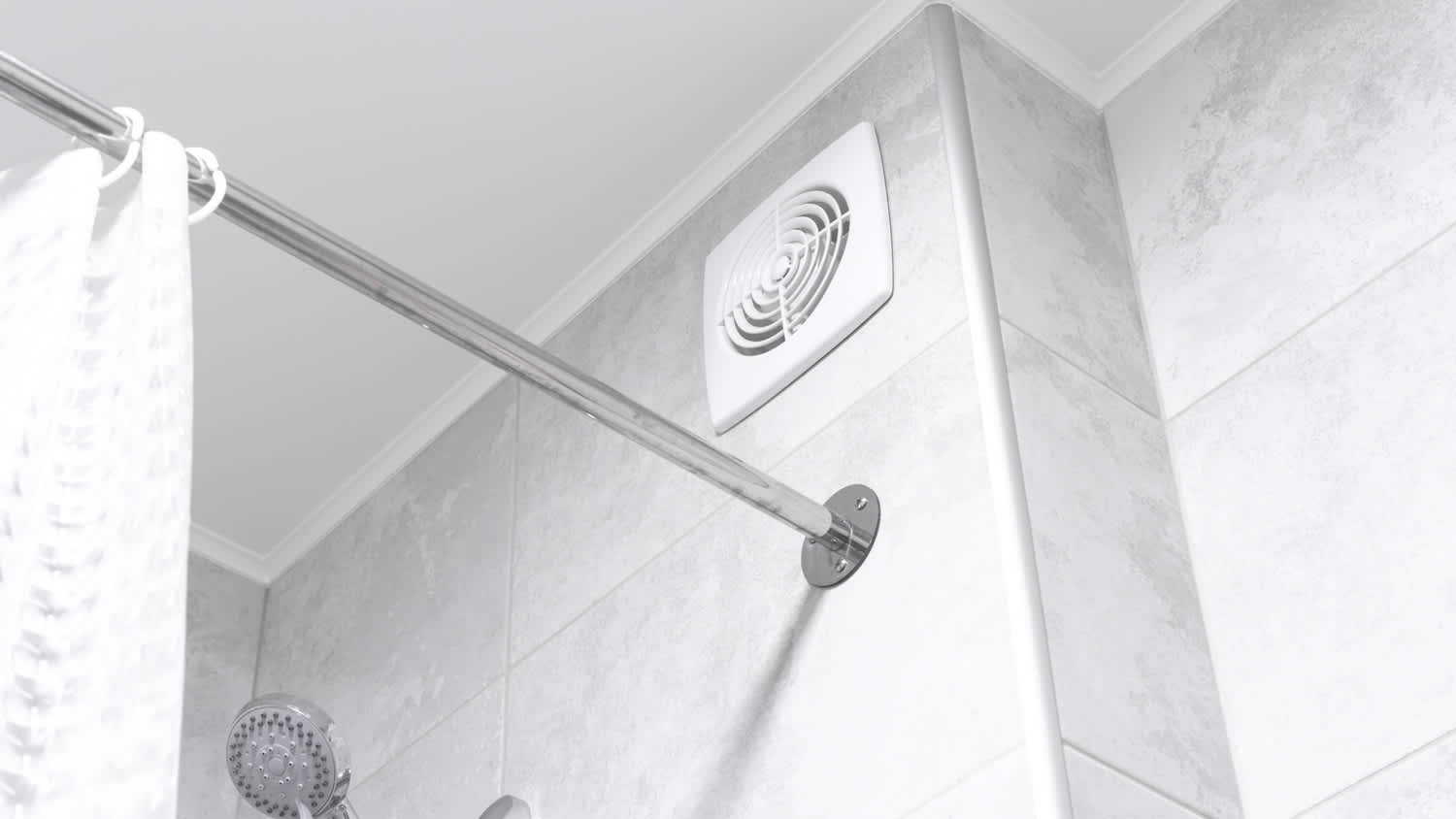
Is your bathroom trapping steam and moisture? Learn about bathroom fan installation costs, warning signs, and how to hire a local bathroom fan installer.
The sweat equity involved in bath fan installation is intense, but having a humidity-free bathroom is worth it. Here's how to install a bathroom fan and get started.