Oriental Rug Cleaning questions, answered by experts
Avoid using a home equity loan for non-essential or short-term expenses like vacations, luxury purchases, or temporary financial fixes. It’s best to reserve home equity loans for long-term investments, such as home improvements, that can add value to your property or financial position.
You should avoid using a pressure washer on any surface or item that could be damaged by the high-pressure spray, as some materials are too delicate to withstand the force.
Key items and surfaces to avoid include:
Electrical Components: Never pressure wash electrical systems, as water can cause short-circuits and create a safety hazard. This includes utility meters, breaker boxes, electrical outlets, generators, and HVAC or air conditioner units.
Delicate and Fragile Materials: Fragile items can crack, shatter, or be stripped by the pressure. Avoid pressure washing windows, glass, light fixtures, shingled roofs (especially asphalt), and stucco.
Painted, Stained, or Sealed Surfaces: Unless your goal is to strip the finish, do not pressure wash painted surfaces, stained wood (like decks), or anything with a protective seal that could be stripped away. Be especially cautious with older surfaces that may contain lead paint.
Soft Woods and Certain Decking: Delicate surfaces like softwood, composite decking, and antique or wooden patio furniture can be etched or damaged. If you must wash wood, use a lower-powered pressure washer with a wide-angle nozzle to prevent damage.
Living Things: Never use a pressure washer on people, pets, or plants. The force can cause serious injury and will destroy landscaping.
The formula for neutralizing skunk smell is one quart of 3% hydrogen peroxide, ¼ cup baking soda, and one to two teaspoons of dish soap. The University of Nebraska says a chemist discovered that this mixture changes the thiols, the chemical compound that causes the odor, into acids that don’t carry a skunk smell, thus eliminating the odor.
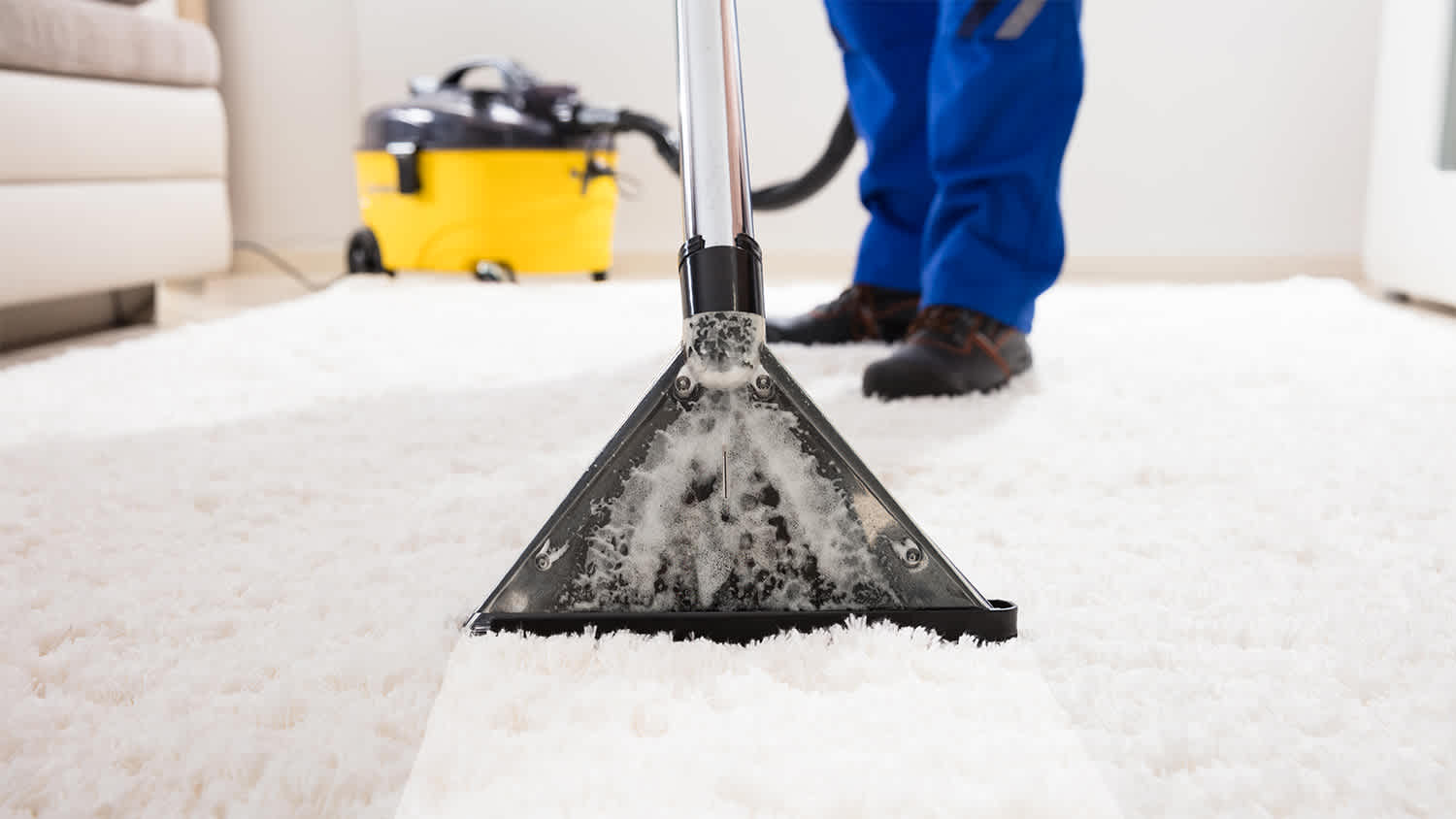
Steam cleaning your furniture is a popular method used by most professional services. It calls for special equipment that uses steam and suction to pull dirt, dust, pet hair, pet dander, and other debris out of upholstery and other materials. It’s a great way to get out stains and messes gently without risking damage to the fabric. It is covered by the professional furniture upholstery cleaner’s rate average of $150 to $250.
Some of the worst and hardest stains to remove from carpets include dark-colored spills like red wine, coffee, blood, and ink. These can permanently discolor the carpet, especially if they aren't treated immediately, and are particularly visible on light-colored carpets. Bleach is also one of the worst culprits, as it causes near-instant color loss that cannot be restored through cleaning. For most tough stains, if DIY methods don't work, a professional carpet cleaner may be able to help. However, for bleach stains, the best option is often to dye or replace the affected area.
The Cando, ND homeowners’ guide to oriental rug cleaning services
From average costs to expert advice, get all the answers you need to get your job done.
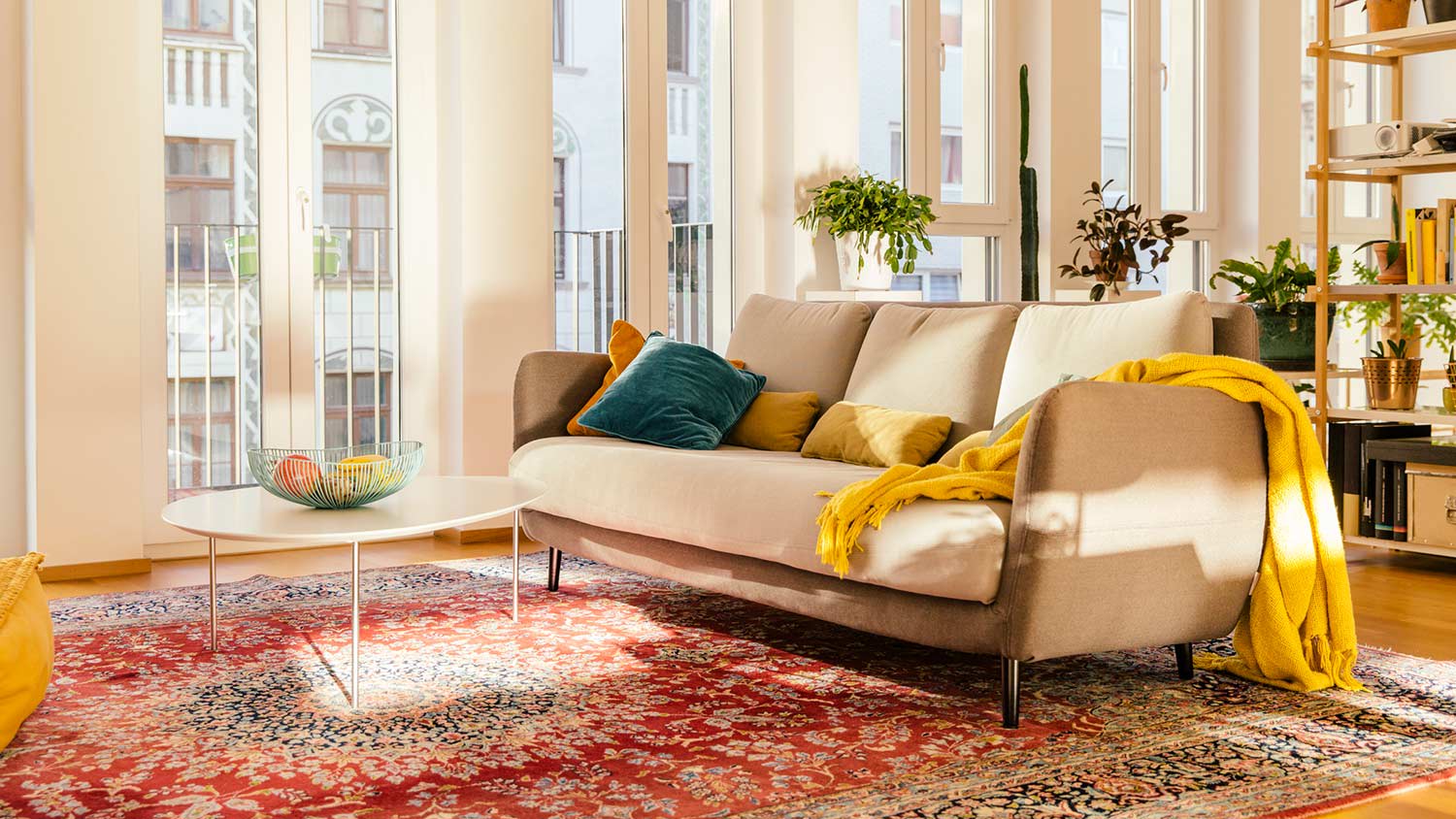
Is steam cleaning Oriental, Persian, and area rugs recommended? In general, you should use different cleaning methods for rugs than you would carpet. But there are specific guidelines based on the type of rug you have. Learn more.

Shag rugs bring coziness to any space, but they can get dirty quickly. Learn how to clean a shag rug, from giving it a dry bath to finding the best vacuum.