To break down fat in a septic tank, you will need to hire a professional septic tank cleaner near you to either pump the septic tank or use a shock treatment to clear the clog. It’s important to not pour fat, oil, or grease (memorable with the helpful acronym FOG) down your drains because they can clog the septic system. Instead, you can dispose of them with regular trash, or if your household produces a lot of FOG waste, you may want to install a grease trap for your plumbing.
You should pump your septic tank once every two to four years for a family of four, depending on your septic tank size. You should pump a 1,000-gallon septic tank every two years, while a 1,500-gallon tank should be pumped every four years. Water usage also affects how often you should pump your septic tank. If you notice slow drains, foul smells, or gurgling sounds from your drains, you should pump your septic tank as soon as possible.
You should never pour antifreeze down the drain or outside on the ground. Because it's highly toxic, antifreeze can still impact people and animals long after it drains. Antifreeze can contaminate water and sewage systems, and any that gets into storm drains and water supplies can attract animals and harm those that ingest it.
No. You should never empty a septic tank yourself because it involves working with specialized equipment (that you probably don’t have) and puts you at risk of breathing in toxic fumes. Plus, once you’ve removed the waste, you’ll need to transport it and dispose of it safely. Instead, call an expert for this job. On average, hiring a pro to pump a septic tank costs $550.
Your septic tank naturally contains the beneficial bacteria it needs to function, so you typically don't need to add more. However, if you wish to replenish the bacteria, you can use natural methods. For example, you can add three overripe tomatoes to your garbage disposal or flush 1/4 ounce of active yeast down the toilet every three months. While store-bought septic enzymes and chemicals are available, many experts consider them unnecessary and potentially harmful. The most effective way to maintain a healthy bacteria population is to avoid using chemical drain cleaners, which can kill the good bacteria in your system.
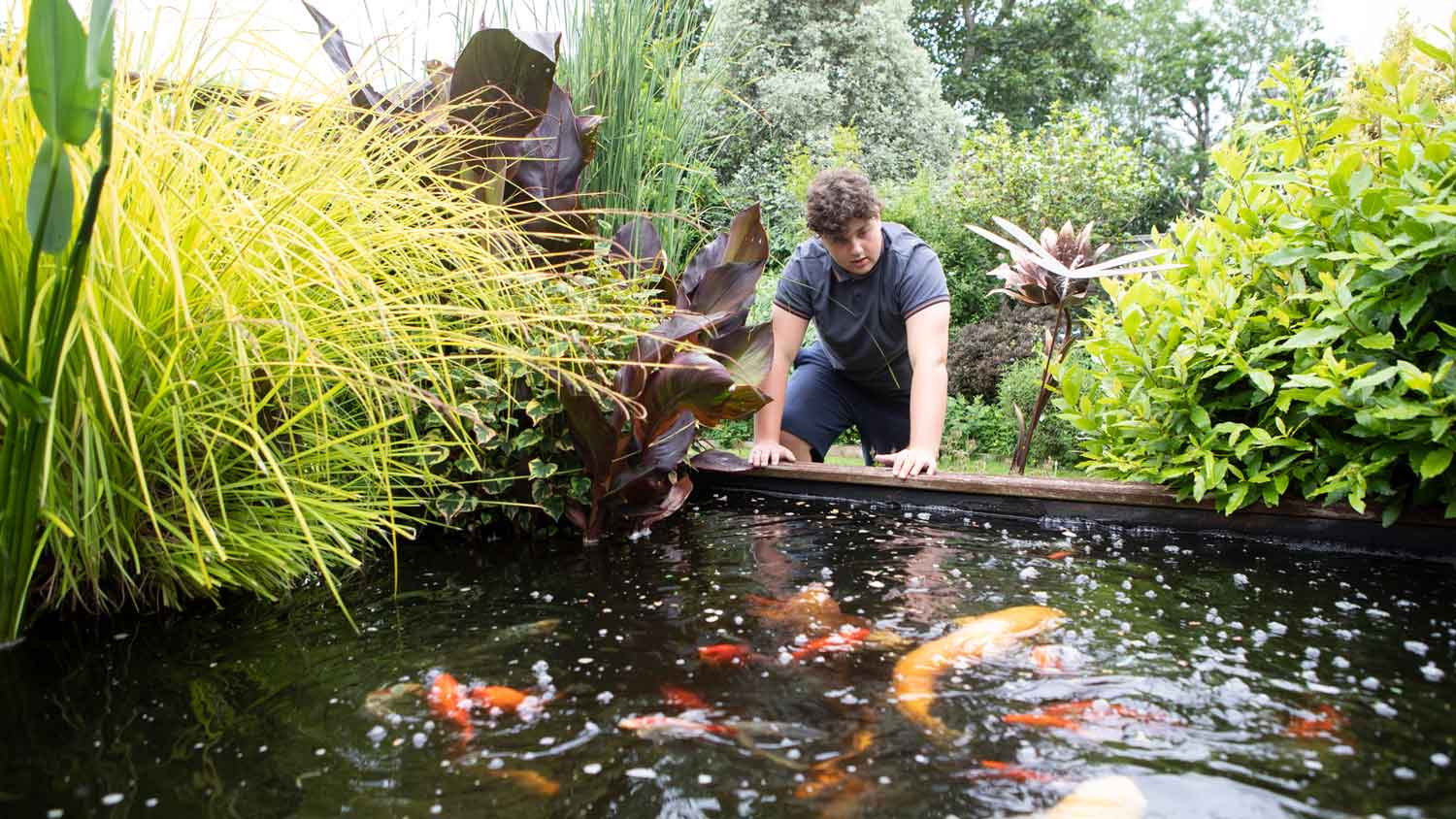
The Cando, ND homeowners’ guide to aquarium services
From average costs to expert advice, get all the answers you need to get your job done.
Discover mosquito control service cost estimates, including average prices, key cost factors, and tips to save on professional mosquito treatments for your home.
If you’re moving, you need to consider distance, weight, packing, and more. Our guide provides the average cost to move a 3-bedroom house long distance.
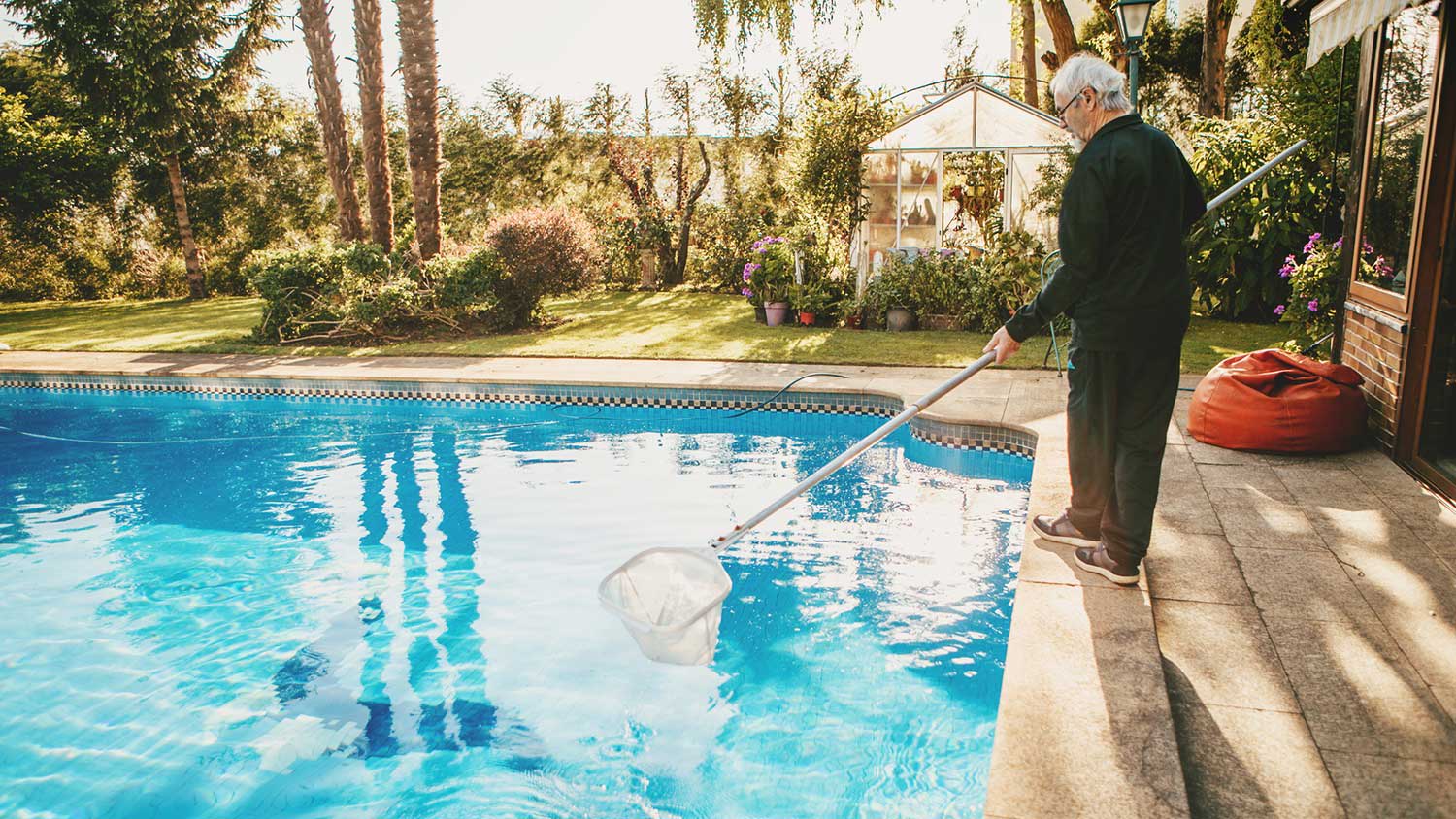
If you live in an area without very cold winters but tempted to close your pool during the cooler months, read on. We dive into the many benefits of winter service.
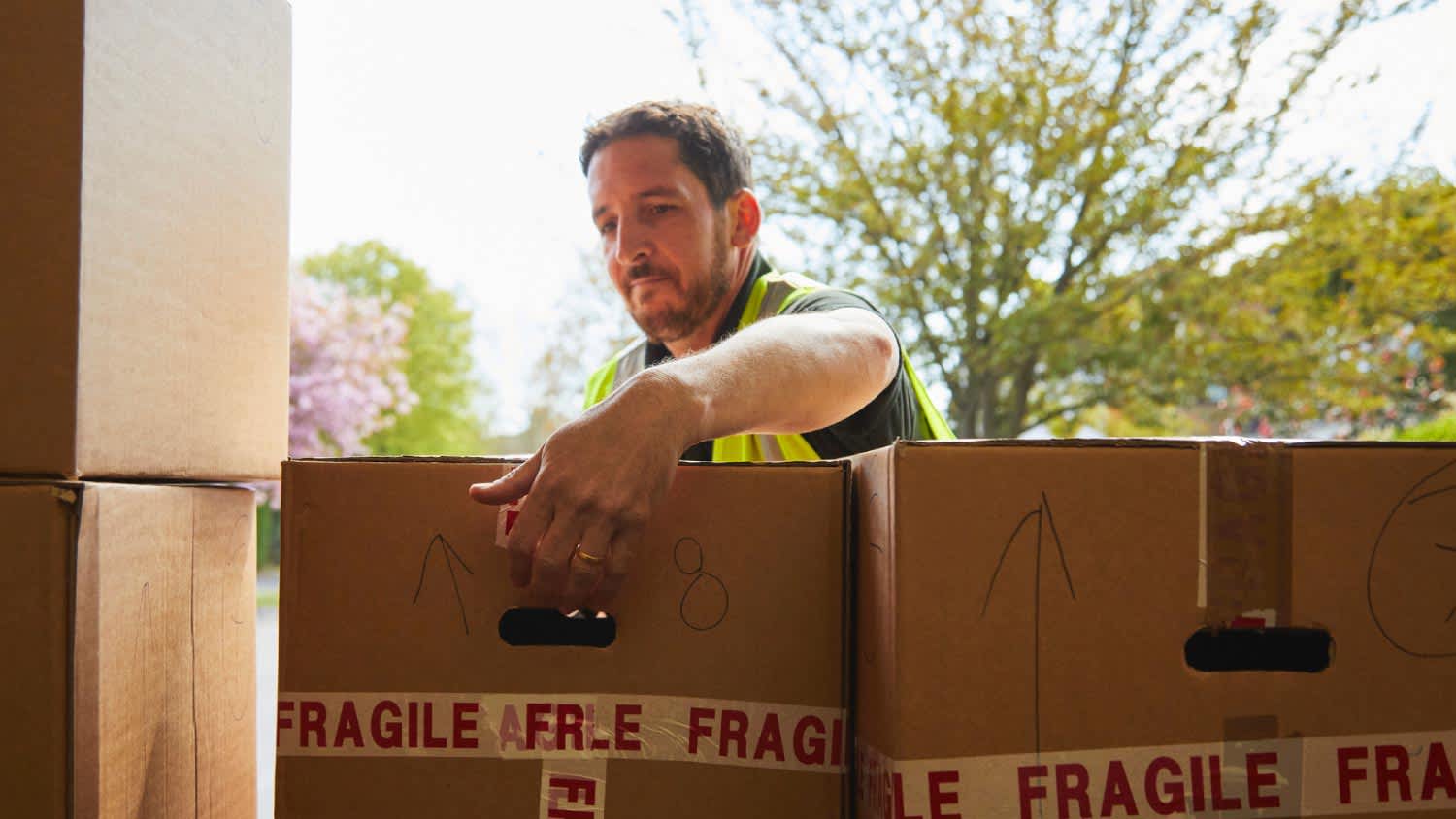
Learn about home items that are nearly impossible to move without movers, either because they are awkwardly shaped, too heavy, or require special equipment.
Steam cleaning makes your floors feel spotless without harsh chemicals. However, certain areas benefit from steam more than others. Here’s what you can clean with a steam cleaner.