Top-rated lead testing and removal specialists.

Best lead testing and removal specialists near Westfield, NC

Enter your zip and get matched with up to 5 pros

Need a pro for your lead testing and removal project in Westfield, NC?

Select your specific project to find the pro for you.

Top-Rated Lead testing and removal specialists in Westfield - Updated Nov 2026

Avatar for Legacy Building & Design Inc
Legacy Building & Design Inc
3.8(
56
)
Toxic Lead - AbatementToxic Lead - Testing

Serving Westfield, NC and surrounding areas

In business since 1927

Emergency services offered

Credit card accepted

"These guys went ABOVE and BEYOND anything I've ever seen, and I've hired contractors for the last 35 years. They came in and were very well educated. What the quoted us is exactly what we paid. 

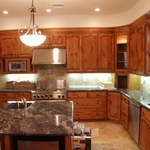
The beauty of this is, we didn't pay a dime up front. We paid as we went. They tore the kitchen apart, and then we paid a little bit. Then they brought in the new kitchen cabinets, and we paid a little bit. We never felt like we weren't getting what we paid for. 

My wife and I just want to thank Ray Hubbard and Legacy Building and Design for awesome work."
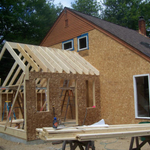
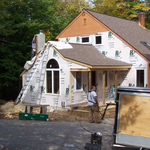
Additional Photos
Additional Photos
Additional Photos
Additional Photos
Additional Photos

+8

Recommended by74%of homeowners
Avatar for Deaton Builder's, Inc.
Deaton Builder's, Inc.
3.3(
4
)
Toxic Lead - AbatementToxic Lead - Testing

Serving Westfield, NC and surrounding areas

In business since 1992

Free estimates

Emergency services offered

"My experience was very good.  They made sure I was covered under all of the permits and things like that.  They had a very fair price and listened to what I wanted.  They made suggestions on how to do the same thing and save a little money.  They were very good.  They were very professional and were there when they were supposed to be here.  If I had any issues afterwards like a touch up here and there, they would come back; it was not a problem.  I am thinking about using them again."
Room Addition
Room Addition
Kitchen complete
Recommended by50%of homeowners
Lead Testing and Removal FAQs, answered by experts

Professional testing for lead paint costs about $300, ranging from about $250 to $700, depending on the square footage, accessibility, and location. However, testing for lead paint with a DIY home-testing kit costs about $25, but doesn’t guarantee accurate results. The U.S. Environmental Protection Agency (EPA) recommends using a lead test kit that complies with the Lead Renovation, Repair, and Painting (RRP) Rule, which has strict criteria for ensuring a more accurate reading.

Common home surfaces to test for lead include:

  • Walls

  • Windows

  • Doors

  • Molding and trim

  • Railings

DIY kits are available for basic air quality testing, but professional services provide more comprehensive results and recommendations. While a DIY kit may seem cost-effective, a professional assessment is more thorough. Inspectors are better equipped to catch all pollutants and hazards, and you'll still need a professional to verify and act on DIY test results. Furthermore, some kits don't test for certain pollutants or only detect their presence without measuring specific levels (like mold spores). It's generally better to opt for a detailed professional assessment.

While the EPA provides guidelines for homeowners to perform DIY lead paint removal, it is a risky process and generally not recommended due to serious health risks and strict regulatory requirements. The process requires precise safety precautions, such as wearing a respirator and protective eyeglasses, creating sealed exits, and using a HEPA vacuum for cleanup. To ensure the job is done safely, effectively, and in compliance with regulations, it is highly recommended to hire a professional lead abatement company. Certified professionals have the necessary training, experience, and specialized equipment (like chemical strippers and HEPA vacuums) to handle and dispose of hazardous materials safely.

According to the Environmental Protection Agency (EPA), hazardous waste is generally classified into four main categories:

1. Characteristic Wastes: These exhibit at least one of four hazardous traits: ignitability (flammable, like gasoline), corrosivity (can rust or decompose materials, like car batteries), reactivity (unstable and can explode, like aerosol cans), or toxicity (harmful when ingested, like lead-based paint).

2. Listed Wastes: These are specific wastes from manufacturing and industrial processes that the EPA has officially designated as hazardous. They include byproducts from processes that use solvents, pesticides, and other chemicals.

3. Universal Wastes: These are commonly generated hazardous items that are subject to streamlined regulations. Examples include batteries, pesticides, mercury-containing equipment (e.g., bulbs), and some lamps.

4. Mixed Wastes: This category includes waste that contains both hazardous and radioactive components, making it subject to regulation by both the EPA and the Nuclear Regulatory Commission.

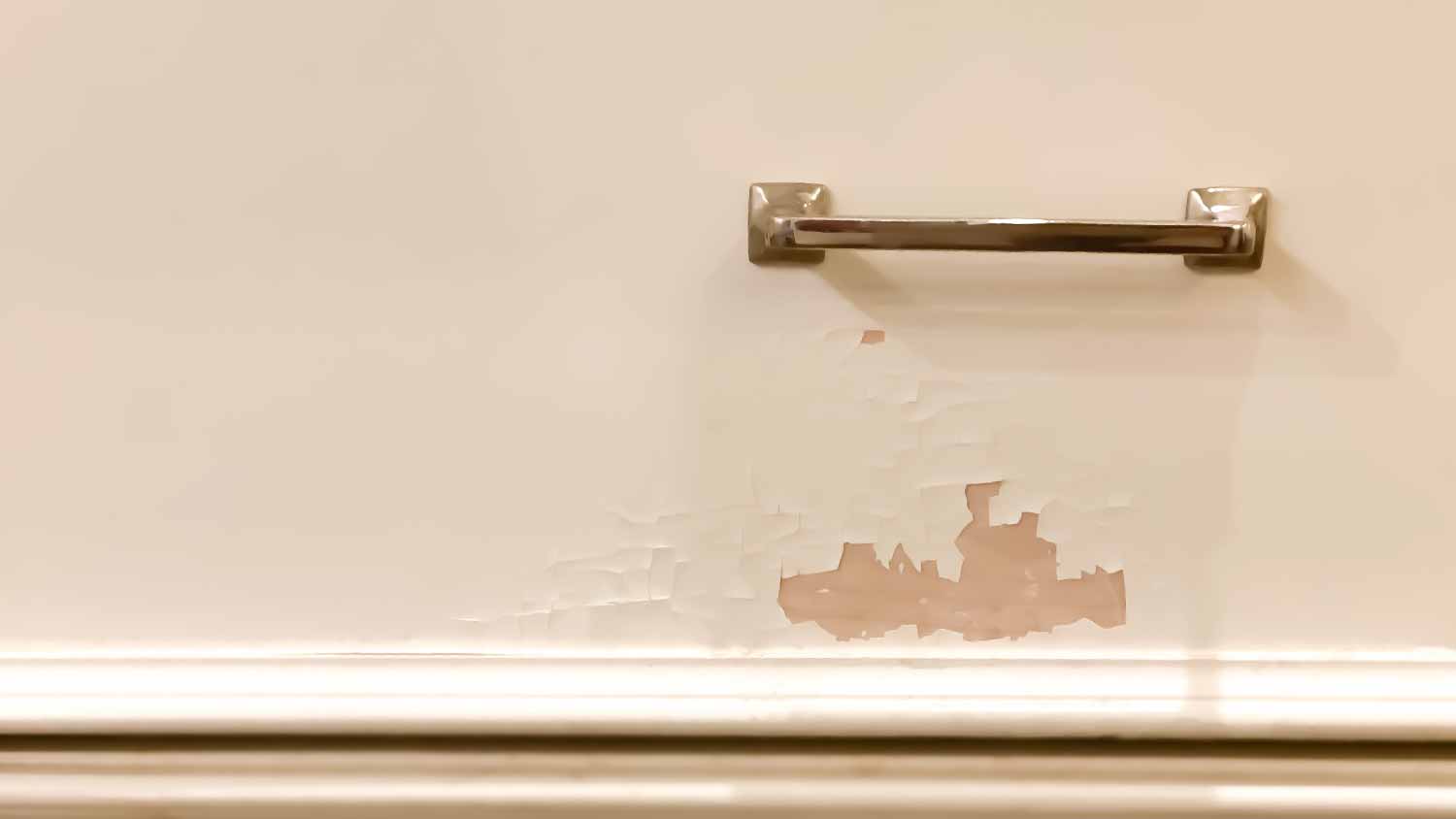
A lead paint inspection is a thorough examination and assessment of a building or structure to determine the presence of lead-based paint. Lead-based paint was commonly used in buildings before 1978 when its health hazards were fully understood. Lead is toxic and can pose health risks, particularly to young children and pregnant women. Getting a lead paint inspection means finding a lead paint inspector to examine the surfaces of the building—such as walls, ceilings, doors, windows, and other painted areas—and identify the presence of lead-based paint.

The Westfield, NC homeowners’ guide to lead testing and removal services

From average costs to expert advice, get all the answers you need to get your job done.