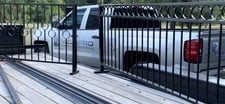
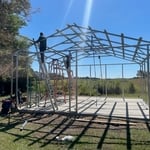
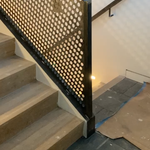
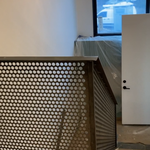
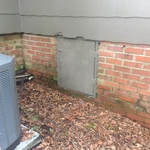
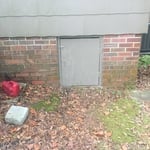
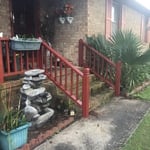
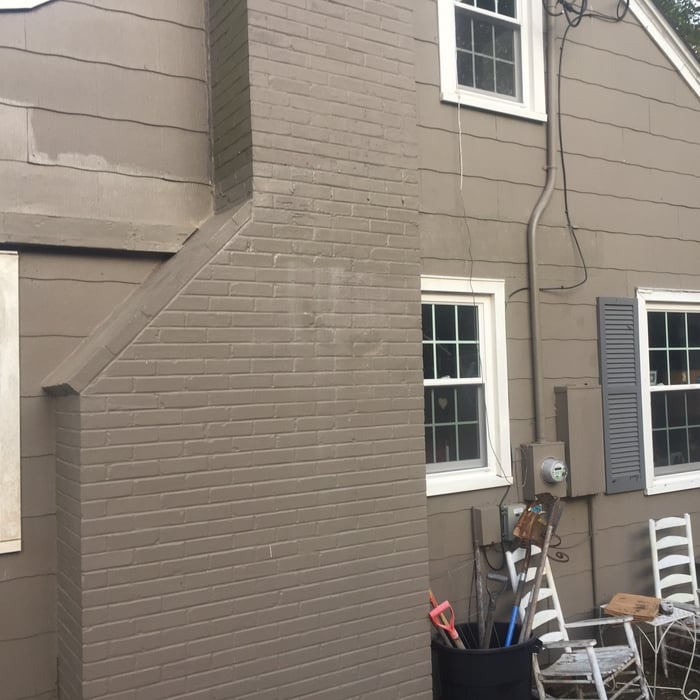
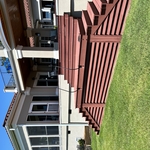
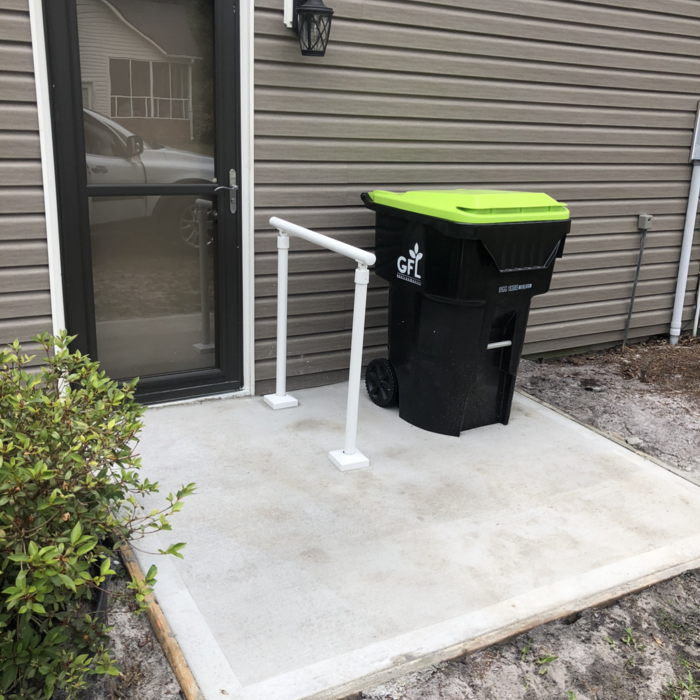
"Connect dryer vent through a tile floor and install a aluminum post in bath that needed support in ceiling and drilled through tile wall. Joe did an excellent job that other contractors did not want to tackle. 5 stars to Joe"
We are a family owned small business, just starting out with a large amount of experience and professional attitude. We aim to keep great quality for a decent price. \n*Company work in progress. Will not be able to take new jobs for a few weeks.*
Open Doors Solutions is a locally owned and operated company that values honesty and integrity in all aspects of our business. Our dedicated team of professionals have years of hands-on experience, to provide innovative ideas and suggestions tailored to your projects. Our services are customized to your individual needs, paying close attention to the details of each project that we are involved with. Please feel free to contact us today!
"He has welded the following on my foxbody mustang: 10 point roll cage Torque boxes Subframe connectors Tubed front end Rear coil over mount bar Highly recommend he does awesome work"
Yes, you can cut plexiglass by hand using a sharp knife or blade (utility knife, box cutter, glass cutter, etc.).
Your typical household tools will not cut a metal pipe. To cut a metal pipe, you’d need more specialized tools like a pipe cutter or circular saw. Do not attempt to use these tools without taking proper safety precautions and wearing safety gear. It’s usually safer to let a pro cut a metal pipe, especially if you’re not confident in your skills with a heavy-duty saw.
Professional metal fabricators typically charge around $70 per hour, but the total cost of your project will depend on several factors. The largest cost drivers are the size, complexity, and design of the project, as well as the price and type of metal used. A good way to estimate the total cost is to multiply the cost of raw materials by four; typically, one-quarter of the total goes toward materials and three-quarters toward labor. Your geographic location can also influence costs, as labor and material prices vary by region.
There are a few things you can ask welders before you hire them to get an idea of their experience and ability levels:
Are you licensed and certified?
How long have you been in the welding business?
Do you commonly do the type of welding I need?
Do you offer any kind of warranty for your work?
Do you charge by the hour or by the project?
How long do you expect my welding project to take?
What steps do you take to minimize errors in your work?
Yes, you can use a saw to cut metal pipes. The best saw to use is a reciprocating saw, but even a fine-tooth hacksaw can get the job done. No matter which saw you use to cut metal pipes, wear protective gear, like work gloves, safety goggles, and ear plugs. Apply a firm, steady pressure to the tool, and always ensure the pipes are secured so they don't move while you make the cuts.
The Trenton, NC homeowners’ guide to welding services
From average costs to expert advice, get all the answers you need to get your job done.
When you need help with a metal project and don’t have the expertise or the time, call an expert welder for your project. Here’s how to vet and hire a welder.