

Top-rated landscapers.

Best landscapers near Sandy Ridge, NC

Enter your zip and get matched with up to 5 pros

Need a pro for your landscaping project in Sandy Ridge, NC?

Select your specific project to find the pro for you.

TRUSTED BY SANDY RIDGE, NC HOMEOWNERS

  • Average homeowner rating star icon4.4
    Average homeowner rating
  • Verified reviews icon28
    Verified landscaping services reviews

Top-Rated Landscapers in Sandy Ridge - Updated Nov 2026

Avatar for Pinehurst Turf Pros
Pinehurst Turf Pros
5.0(
12
)
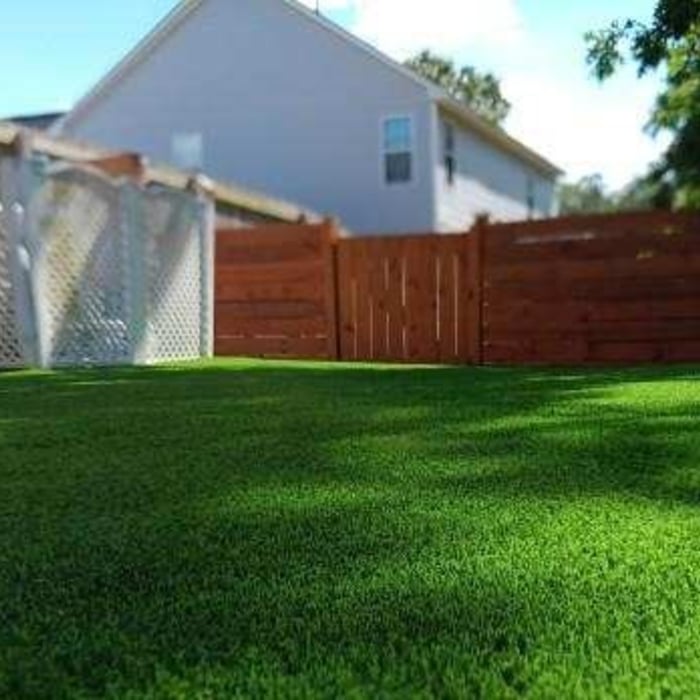
Landscape - Install Synthetic Grass for Landscaping, Putting Greens, etc. - For Business

Serving Sandy Ridge, NC and surrounding areas

Approved

In business since 2023

Free estimates

Warranties offered

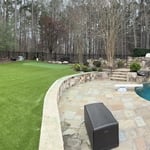
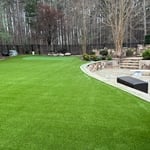
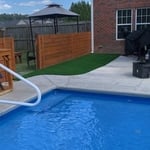
"Pinehurst Turf Pros were recommended to me by the makers of the synthetic turf. They were professional from start to finish. I would not hesitate to use them again. The project turned out better than I anticipated."
Panoramic View
Close up of Green and Landscape
Poolside
Grill Side
Low Angle

+48

Response time4 days
6 neighbors recently requested a quote
Recommended by83%of homeowners
Avatar for Synthetic Turf Concept, LLC
Synthetic Turf Concept, LLC
3.7(
27
)
Landscape - Install Synthetic Grass for Putting Greens, Play Areas, etc.Landscape - Install Synthetic Grass for Landscaping, Putting Greens, etc. - For Business

Serving Sandy Ridge, NC and surrounding areas

Approved

In business since 2012

Free estimates

Warranties offered

"Chris and his team are first class! He installed a putting green, chipping area, sand trap as well as surrounding landscaping. They are personable, reasonably priced, on time, and very communicative of everything that was going on in our backyard. I highly recommend Chris Pitt!!"
Putting Greens
Putting Greens
Putting Greens
Putting Greens
Putting Greens

+20

Response time3 days
22 neighbors recently requested a quote
Recommended by80%of homeowners

...
Showing 1-10 of 300
Landscaping FAQs, answered by experts

While there are over 400,000 different flowering plants worldwide, there are five main types of flowers. These flower types are based on their lifecycles, giving each type a unique personality. These types are:

  • Annuals, which complete their entire life cycle within a single growing season. 

  • Perennials, which the tops die off in the winter but regrow in spring. 

  • Biennials, which complete their entire life cycle within two years.

  • Hybrids, which exhibit either annual or perennial behaviors depending on location

  • Flowering shrubs, which are small to medium-sized perennial woody plants, such as shrubs or evergreens.

The best time to plant is between spring and autumn. Springtime weather is typically mild and is when nurseries start to bloom. When the summer weather arrives and it’s hot out, it’s best to avoid planting bare-root plants, but you can still plant many in-container varieties. The first sign of fall is another great opportunity to plant biennials if you live in southern states, or a lovely vegetable garden up north.

The best type of rock for landscaping depends on your specific project and needs, as different rocks are suited for different applications. For covering large areas or creating an affordable driveway, consider gravel, but note that it can wash away in flowing water. For water features, river rocks are a good option. Flagstone and cobblestone are ideal for aesthetically pleasing patios and walkways. If you are building a stone wall, fieldstone or small boulders are up to the task. Large boulders and landscape rocks work well as statement pieces, to fill empty space, or to indicate boundaries, but be mindful that they can overwhelm smaller gardens. The best approach is to first define your landscaping project and then select the rock type that best fits that purpose.
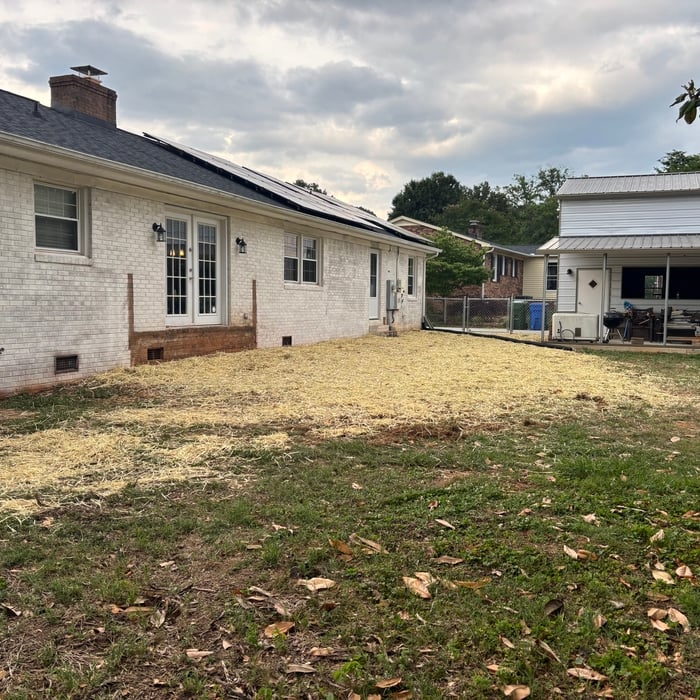
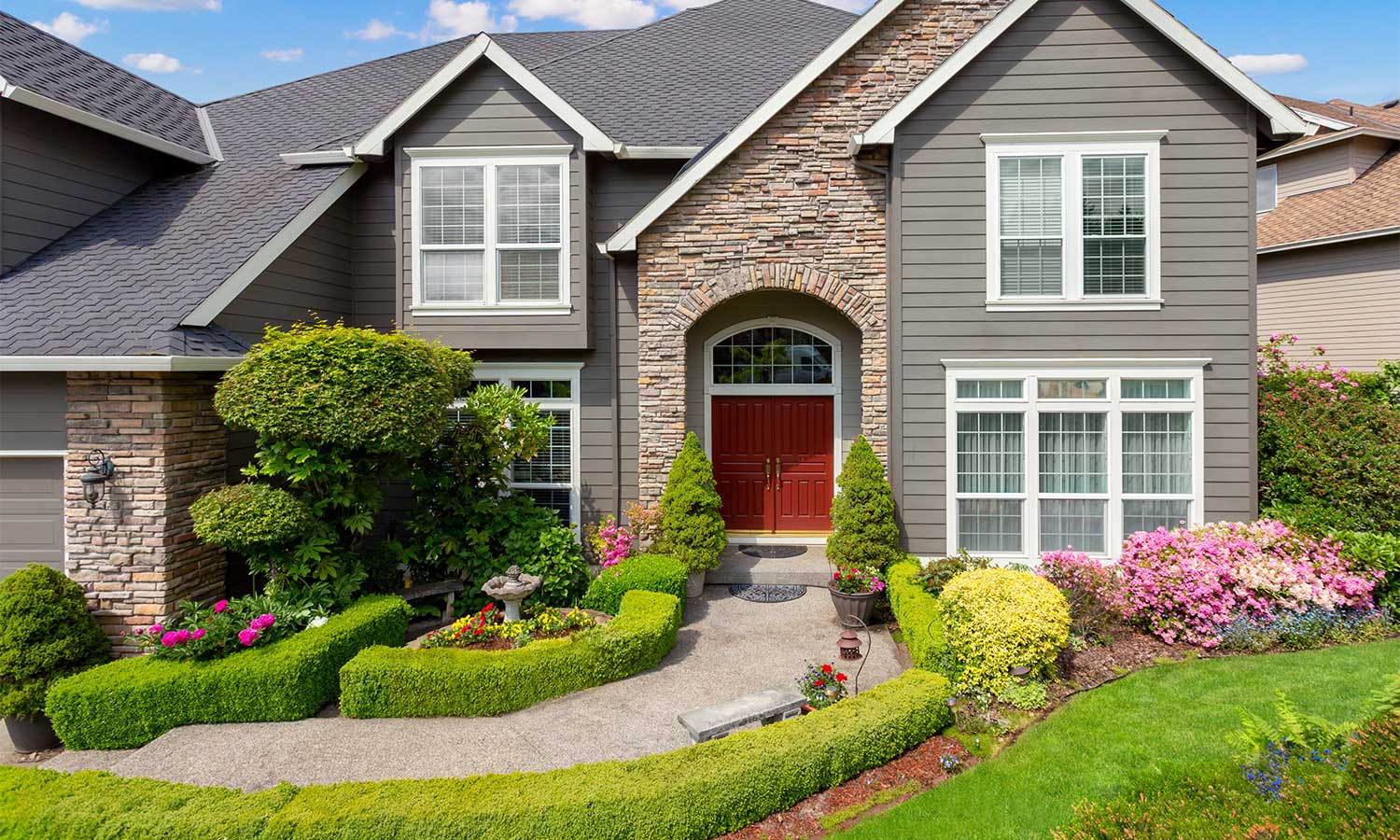
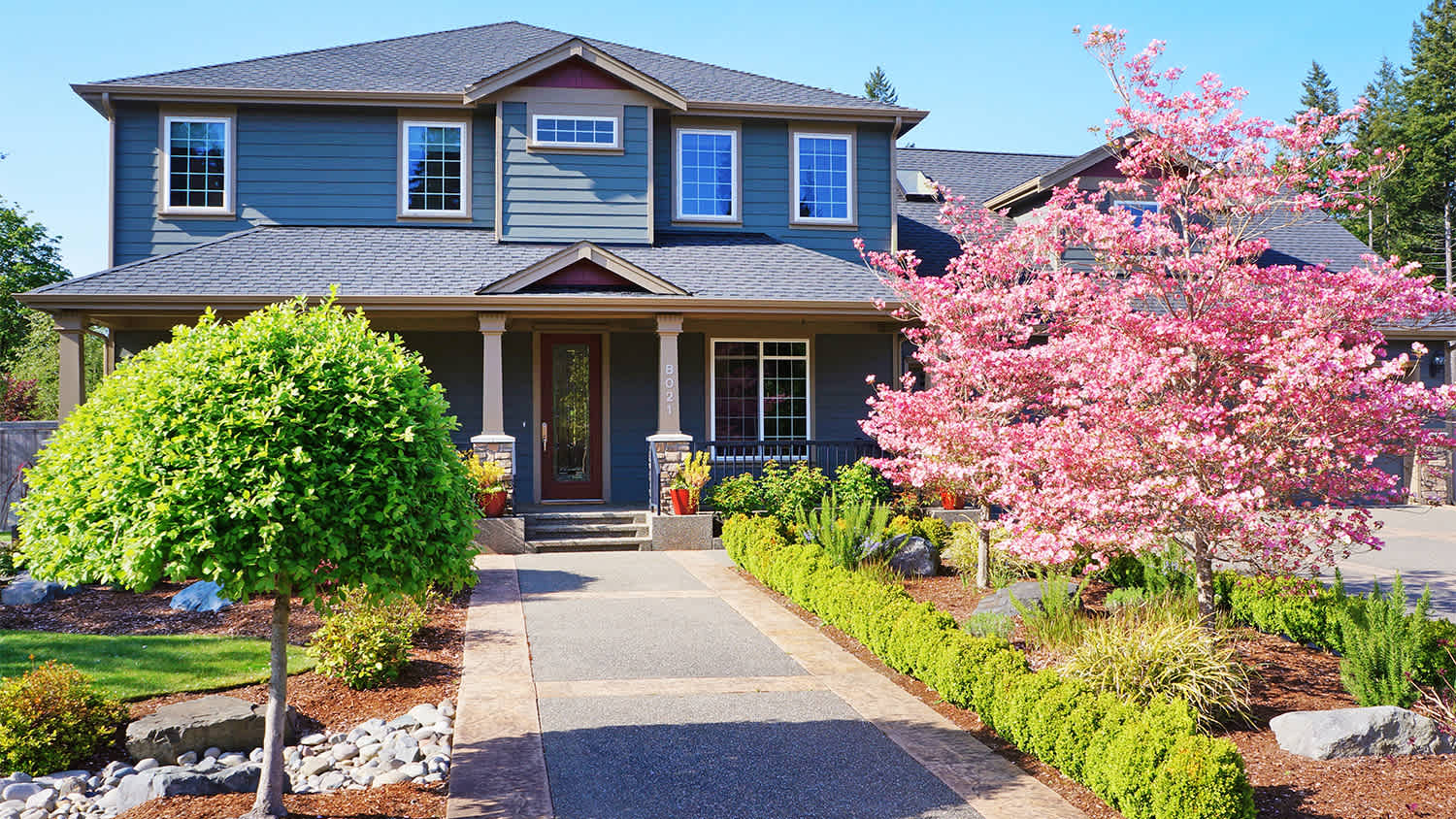
Yes, it is possible to add too little mulch. Anything less than 1 inch will likely result in too little coverage around your plants, allowing weeds to grow through and minimizing the positive effects that a deeper bed of mulch would have, like maintaining proper soil moisture and insulating the ground.

It depends. Smaller, younger trees take longer to mature, but they're more resilient, their roots don't get as damaged during transplanting, and they recover faster. Plus, they're much more affordable to plant, and it's possible to DIY the planting. 

On the other hand, mature trees produce fruit faster and provide more shade and privacy immediately. Ideally, a small or medium tree is the better choice if you can wait a few years for it to mature. But if you need immediate maturity, a larger tree is the only option.

The Sandy Ridge, NC homeowners’ guide to landscaping services

From average costs to expert advice, get all the answers you need to get your job done.