





Top-rated deck repair pros.

Best deck repair pros near Princeton, NC

Enter your zip and get matched with up to 5 pros

Need a pro for your deck repair project in Princeton, NC?

Select your specific project to find the pro for you.

TRUSTED BY PRINCETON, NC HOMEOWNERS

  • Average homeowner rating star icon4.5
    Average homeowner rating
  • Verified reviews icon33
    Verified deck repair services reviews

Top-Rated Deck repair pros in Princeton - Updated Nov 2026

Avatar for Jeremy Williams
Jeremy Williams
5.0(
14
)
Deck or Porch - Repair

Serving Princeton, NC and surrounding areas

Approved

Super Service Award Winner

In business since 2018

Free estimates

Emergency services offered

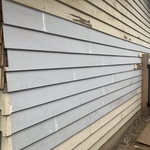
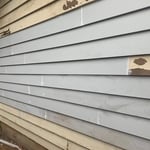
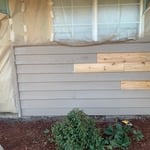
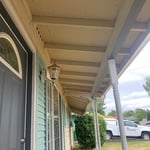
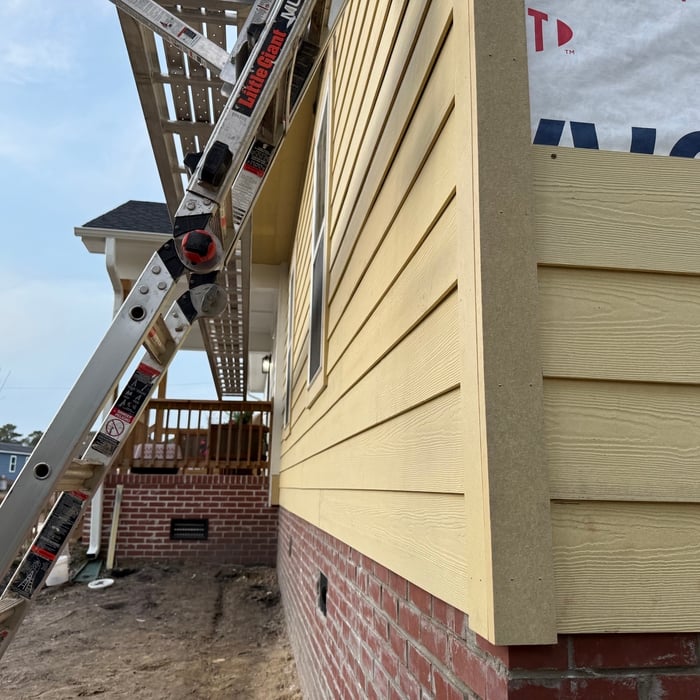
"My husband and I had been looking for someone to complete a few maintenance repairs around our home (replacing shutters, fix trim along the rooftop, fix siding on the house, replace framework and seals around the garage door and install a ceiling fan). Jeremy Williams did a wonderful job completing all the repairs we needed done. He was very professional and friendly from the initial meeting to the completion of the home repairs. Thank you for all you did for us and we will definitely contact you for our future home repairs."
Response time2 days
Response rate90%
14 neighbors recently requested a quote
...
Showing 1-10 of 129
Deck Repair FAQs, answered by experts

Floating decks are a cost-effective and versatile option, but they come with some compromises. Since they sit on smaller footings instead of being deeply anchored, they’re more likely to shift over time, especially in areas with heavy rainfall or freeze-thaw conditions. Their low-to-the-ground design makes them more susceptible to moisture buildup and potential water damage.

You can nail or screw composite decking, but 3-inch decking screws are the better fastener choice. Unlike nails, decking screws won’t back out of the composite material over time. There’s also little danger of splitting composite material when driving screws, so you don’t need to pre-drill holes unless otherwise recommended by your decking manufacturer.

Yes, deck pier blocks can be used as an alternative to traditional deck footings, particularly for small or low-to-the-ground decks. Unlike poured concrete and buried post footings, deck blocks don’t require digging or pouring. However, their use is regulated by local building codes, and they may not be permitted in areas prone to high winds, earthquakes, or hurricanes. Always consult your local building codes before choosing them for your deck project.

Both aluminum and composite decking materials are environmentally friendly, with aluminum decking coming in as the most eco-friendly option. 

Though composite decking helps remove plastics from landfills, recycles wood, and lasts longer than traditional wood decks, it’s not recyclable and only lasts for 25 to 30 years on average. Aluminum can last well over 30 years and is almost always recyclable.

The best way to sand a deck is by cleaning it, sanding the boards and stairs with 60- or 80-grit sandpaper, and sanding the railings and posts with 80-grit sandpaper. You should sand in the direction of the wood grain to avoid damaging the timber. When sanding your deck, use medium pressure and aim for an even sand. Pressing too hard with a sander can damage decks, as most are softwoods.

The Princeton, NC homeowners’ guide to deck repair services

From average costs to expert advice, get all the answers you need to get your job done.