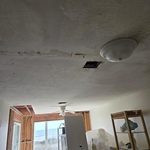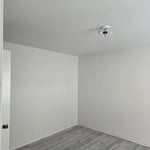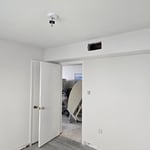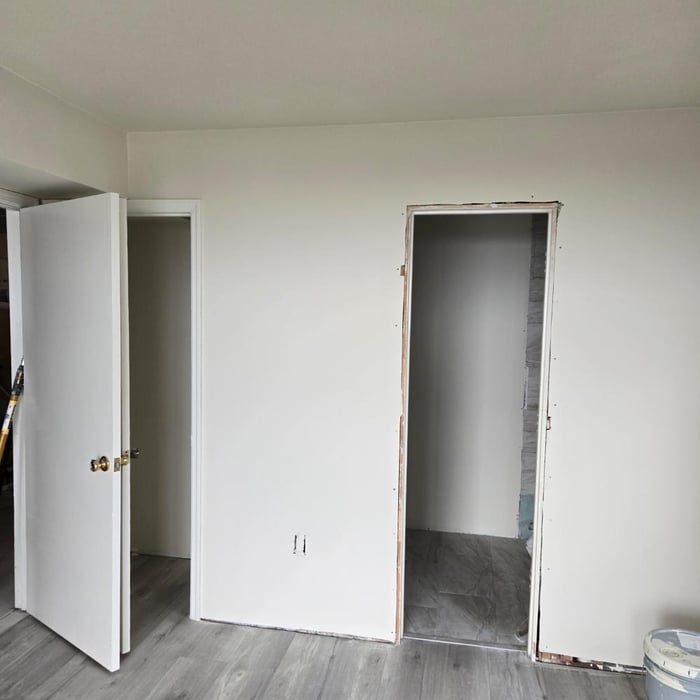

Top-rated plaster repair specialists.

Best plaster repair specialists near Pineville, NC

Enter your zip and get matched with up to 5 pros

Need a pro for your plaster repair project in Pineville, NC?

Select your specific project to find the pro for you.

TRUSTED BY PINEVILLE, NC HOMEOWNERS

  • Average homeowner rating star icon4.4
    Average homeowner rating
  • Verified reviews icon348
    Verified plaster repairs reviews

Top-Rated Plaster repair specialists in Pineville - Updated Nov 2026

Avatar for Speedy Patch Drywall Repair (Concord)
Speedy Patch Drywall Repair (Concord)
4.7(
262
)
Plaster - Repair

Serving Pineville, NC and surrounding areas

Approved

In business since 2018

Free estimates

Credit card accepted

Here at Speedy Patch Drywall Repair, we pride ourselves on customer satisfaction. We specialize in various drywall services such as residential patch/crack repair and texture matching. We are locally owned and operated and well respected for our prompt service and attention to detail. Be sure to give us a call today!

Gallery
102 neighbors recently requested a quote
Recommended by97%of homeowners
M&D Property Solutions
4.5(
23
)
Plaster - InstallPlaster - RepairPlaster - Repair - For Business

Serving Pineville, NC and surrounding areas

Approved

In business since 2017

Emergency services offered

Warranties offered

"It has worked out so well for me and my family. And yeah, please do it all day. Please let me know if I can help. Please let me know when I get home, and I will be home in the next few days. Please let me know when I can get you. Please let me know when I get back. Please let me know if I need anything else. Please let me know if I can get you a text or text me or text or call me when I can."
Master bedroom
Master bedroom
Front hall
Living area
Entry

+10

Response time1 day
Recommended by100%of homeowners

...
Showing 1-10 of 172
Plaster Repair FAQs, answered by experts

Your walls are likely cracking due to fluctuations in the temperature outside. Drywall tends to expand and contract when temperatures and humidity levels change, and this repeated movement can lead to cracks in your walls, particularly around door frames. If you have multiple diagonal cracks, you may want to have your foundation inspected, as cracks can also be a sign of a bigger issue.

If your home was built before the 1940s and was not remodeled in the past 50 or so years, you probably have plaster walls. Aside from assuming, there are some practical ways to tell if you have plaster walls, including the following: If you knock on the wall and it feels solid, not hollow, if you can’t insert a thumbtack easily, if there are cracks that look like spiderwebs, or if your home has curved, arched, or swirled walls, doorways, or window openings.

If you have an unfinished basement or attic, you could examine the backs of any finished walls to check, too.

You can technically just paint over hairline cracks in plaster since these cracks are often harmless, but this will mostly be a waste of paint. Paint will only hide the hairline crack for a few months before it shows up again. The best solution is to repair the crack with flexible filler or joint compound before repainting.

Plaster ceilings can sag for several reasons. In some cases, the plaster and other building materials shift and come apart over time, which is why you’ll commonly find drooping plaster ceilings in older homes. Improper installation, foot traffic, and water damage—often from a leaky roof or a broken pipe—can also cause plaster ceilings to sag.

Although they have similar applications, spackle and joint compound are not the same. Their primary differences lie in their composition, consistency, and ideal use cases.

Spackle is composed of gypsum and binding agents, making it thicker than joint compound. It dries quickly and is easy to sand, which makes it ideal for small wall repair projects like filling nail holes or patching minor damage.

Joint compound, also known as drywall mud, consists of limestone and gypsum. It is primarily used for large-scale projects, such as taping and finishing the seams on newly installed drywall. It tends to shrink more than spackle and can be more difficult to spread.

While both products can be used to fill small depressions and cracks, spackle cannot replace joint compound for taping and mudding new drywall. Conversely, you can often use joint compound for small patching jobs typically done with spackle.

The Pineville, NC homeowners’ guide to plaster repairs

From average costs to expert advice, get all the answers you need to get your job done.