
Top-rated leaf removal pros.

Get matched with top leaf removal pros in Mount Airy, NC

Enter your zip and get matched with up to 5 pros

Need a pro for your leaf removal project in Mount Airy, NC?

Select your specific project to find the pro for you.

TRUSTED BY MOUNT AIRY, NC HOMEOWNERS

  • Average homeowner rating star icon5
    Average homeowner rating
  • Verified reviews icon11
    Verified leaf removal services reviews

Find Leaf removal pros in Mount Airy

M&D Property Solutions
4.5(
23
)
Waste, Junk, Building Materials and Debris - Remove and Haul

Serving Mount Airy, NC and surrounding areas

Approved

In business since 2017

Emergency services offered

Warranties offered

"Needed fencing installed to keep groundhogs from taking up residence under our deck. Brady came up with a creative and complete solution that made sure the varmints were out and would not return. Would use again."
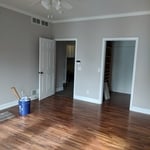
Master bedroom
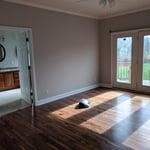
Master bedroom
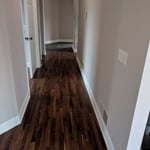
Front hall
Living area
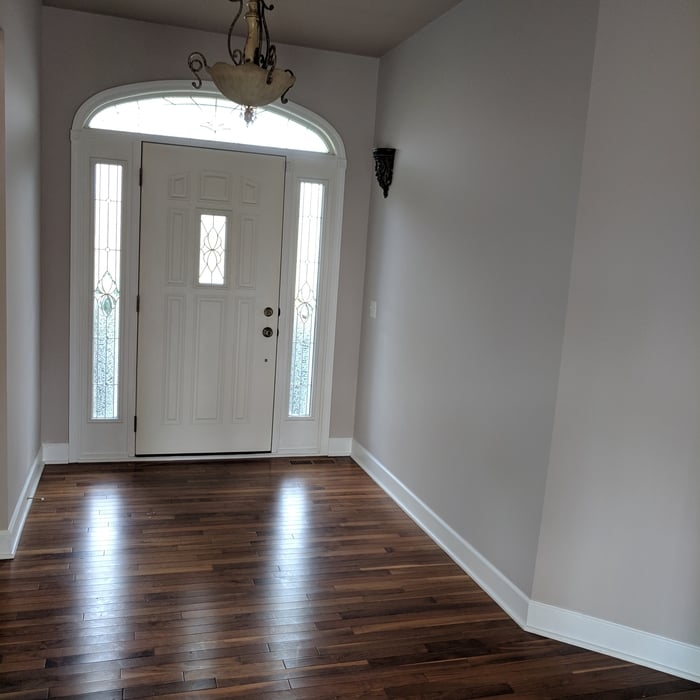
Entry

+10

Response time1 day
1 neighbors recently requested a quote
Recommended by100%of homeowners
Avatar for Carolina Hauling Express
Carolina Hauling Express
New to Angi
Waste, Junk, Building Materials and Debris - Remove and Haul

Serving Mount Airy, NC and surrounding areas

Approved

Free estimates

Small jobs welcome

Offers commercial services

Hello! My name is Charles Kidd, and I run a local junk hauling/removal service within the triad and surrounding areas! I do removal for just about anything you can throw at me. If you think my service may be of use to you, please feel free to ask and get as many answers as you'd like! My service is fair and fast, and same day removals are well within my ability.

Home cleanout removal
7 neighbors recently requested a quote
...
Showing 1-10 of 205
Leaf Removal questions, answered by experts

No. Standard homeowners insurance does not cover any kind of lead remediation, focusing instead on sudden, unpreventable events like fires and theft. Many insurance companies will specifically exclude lead paint removal, since it tends to be an expensive and unavoidable project. The exception is if the lead surface is damaged during a covered event (like a flood) and homeowners insurance pays its replacement.

The EPA enforces hazardous waste laws and ensures people dispose of their hazardous waste responsibly. Depending on where you live, your state’s hazardous waste regulatory agency may also enforce these laws. Individually, it’s up to each household to properly dispose of their hazardous waste.

Household products such as paints, cleaners, oils, and batteries are considered hazardous and should not be disposed of with regular household waste. Instead, look for local household hazardous waste collection facilities where you can safely dispose of these items without harming the environment or human health.

You should ask a few questions to ensure that your potential lead removal professional is experienced and qualified to handle lead-paint abatement safely, legally, and properly.

  • What are your qualifications and experience removing lead-based paint?

  • Are you licensed and certified to remove lead-based paint?

  • How do you test for lead paint?

  • What methods do you use for lead-based paint abatement?

  • What do you plan to do with the hazardous material when you remove it from the home?

  • Do you do replacement and painting work or removal only?

According to the Environmental Protection Agency (EPA), hazardous waste is generally classified into four main categories:

1. Characteristic Wastes: These exhibit at least one of four hazardous traits: ignitability (flammable, like gasoline), corrosivity (can rust or decompose materials, like car batteries), reactivity (unstable and can explode, like aerosol cans), or toxicity (harmful when ingested, like lead-based paint).

2. Listed Wastes: These are specific wastes from manufacturing and industrial processes that the EPA has officially designated as hazardous. They include byproducts from processes that use solvents, pesticides, and other chemicals.

3. Universal Wastes: These are commonly generated hazardous items that are subject to streamlined regulations. Examples include batteries, pesticides, mercury-containing equipment (e.g., bulbs), and some lamps.

4. Mixed Wastes: This category includes waste that contains both hazardous and radioactive components, making it subject to regulation by both the EPA and the Nuclear Regulatory Commission.

The Mount Airy, NC homeowners’ guide to leaf removal services

From average costs to expert advice, get all the answers you need to get your job done.