






Top-rated generator install pros.

Get matched with top generator install pros in Hudson, NC

Enter your zip and get matched with up to 5 pros

Need a pro for your generator install project in Hudson, NC?

Select your specific project to find the pro for you.

Find Generator install pros in Hudson

Avatar for Stickler's Electrical Service
Stickler's Electrical Service
5.0(
22
)
Fixed Generator - InstallPortable Generator - Install

Serving Hudson, NC and surrounding areas

Approved

In business since 2021

Free estimates

Credit card accepted

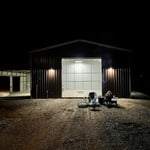
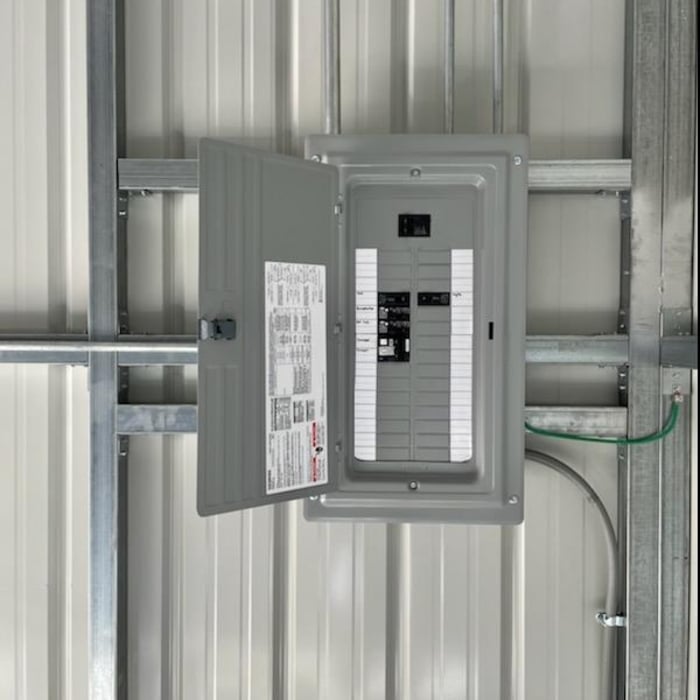
"Site visit with Anthony and quote was best price by comparison with other quotes. Install was on point as discussed, installing electric to newly built metal building"
Lighting Before
Lighting After
Power and wiring
interior
panel

+4

Response time7 hrs
1 neighbors recently requested a quote
Recommended by88%of homeowners
Lewis Electric Pro
4.5(
52
)
Portable Generator - Repair

Serving Hudson, NC and surrounding areas

Approved

Credit card accepted

Customers say: Quick response

"Matt was easy to get in touch with, gave me an estimate in a timely manner and did a very good job with the project. He helped install a sub-box, and variety of electrical outlets for a renovation for our basement including washer/dryer and kitchenette work. I would highly recommend Matt and plan to use his services for future work."
Recommended by93%of homeowners
Avatar for PRIORITY ELECTRIC AND LIGHTING, LLC
PRIORITY ELECTRIC AND LIGHTING, LLC
5.0(
6
)
Fixed Generator - Install

Serving Hudson, NC and surrounding areas

Approved

In business since 2025

Free estimates

Warranties offered

PRIORITY ELECTRIC AND LIGHTING, LLC We offer over 20 years of experience in the electrical industry. We take on a wide range of electrical projects to include full installation for additions and remodels as well as generator installs, wiring and panel upgrades, and a variety of other jobs. We take pride in our quality of work and our commitment to outstanding results. We're committed to providing a personalized service for each individual project we take on. We look forward to building strong, long-term relationships with our clients and guarantee your satisfaction.

Response time12 hrs
16 neighbors recently requested a quote
Showing 1-10 of 44
Generator Install questions, answered by experts

If you’re deciding between a solar battery versus a generator for the best backup power solution, you can take a few factors into consideration. Solar batteries are quiet while generators can be quite loud. Generators have a lower up-front cost, but they require fuel and ongoing maintenance while solar batteries are more expensive but don’t have many ongoing costs.

Yes, in most municipalities, you will need a permit to install a permanent home generator, including emergency backup, partial-home, and whole-home models. Because these installations involve significant alterations to your home's electrical system and produce exhaust fumes, local governments often require a permit or inspection for safety purposes. A generator permit typically costs between $50 and $250, depending on your location. Your electrician or certified installer can usually handle the permitting process for you, but you will be responsible for the cost. It's a good practice to confirm with your installer that they will pull all necessary permits before work begins.

While the rating will tell you how many watts the refrigerator needs at the peak of its cycle, it requires additional wattage to start. At the bare minimum, you’ll need a 1,500-watt generator to get the fridge up and running after a blackout. A 2,000-watt generator should be sufficient for most home refrigerators.

To determine the right size generator for your house, you should calculate the total wattage of the appliances and devices you want to power during an outage. List all essential items, note their start-up wattages, and add them together.

Here are some typical wattage requirements for common appliances:

  • Refrigerator: 600 watts

  • Large dehumidifier: 700 watts

  • Large window air conditioner: 1,400 watts

  • Water heater: 3,000 to 4,500 watts

  • Electric furnace: 5,000 to 25,000 watts

A 7,500-watt generator might be sufficient for essentials like a refrigerator, freezer, well pump, and lighting circuits. However, for high-demand items like a water heater or furnace, a whole-home generator is a better choice. A portable generator may be enough if you only need to power a few critical items.

While home square footage can offer a rough estimate, it is not always a reliable indicator. For reference, here are some typical generator sizes based on square footage:

  • 1,000 sq ft: 6–9 kW

  • 1,500 sq ft: 7–10 kW

  • 2,000 sq ft: 10–14 kW

  • 2,500 sq ft: 12–16 kW

  • 3,000 sq ft: 16–20 kW+

For the most accurate sizing, consult a professional who can calculate your home's peak and average power consumption and recommend the optimal generator.

While natural gas generators are costly, they’re a great option for standby power due to the reliability of natural gas as a fuel source. Unlike other fuels, natural gas is delivered through underground pipes, making outages extremely rare and less likely to be affected by the elements. As long as the area isn’t prone to earthquakes, they offer an unlimited supply of natural gas that doesn’t degrade over time or require storage in tanks.

The Hudson, NC homeowners’ guide to generator installs

From average costs to expert advice, get all the answers you need to get your job done.