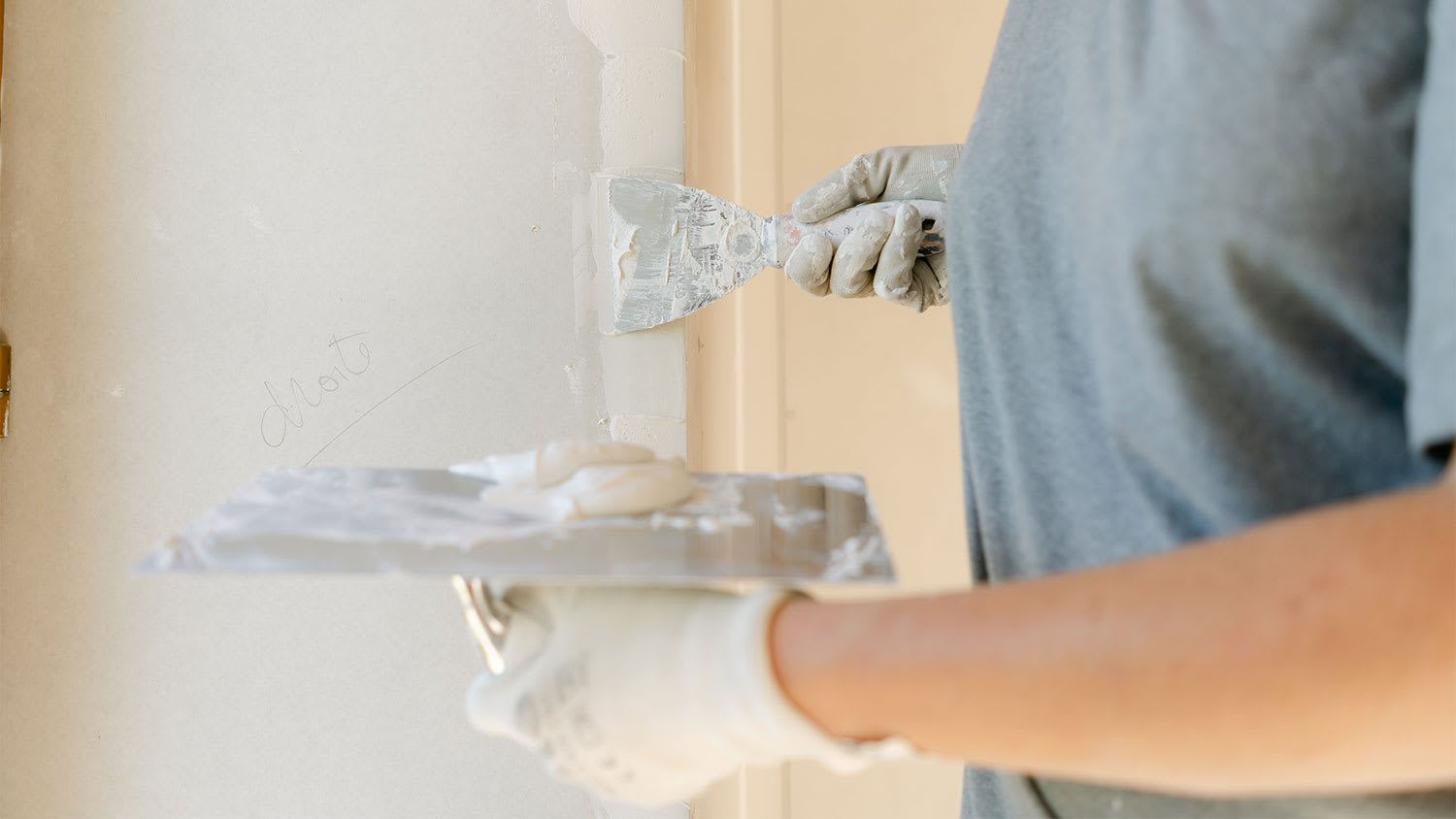







Top-rated plaster repair specialists.

Get matched with top plaster repair specialists in Hoffman, NC

Enter your zip and get matched with up to 5 pros

Need a pro for your plaster repair project in Hoffman, NC?

Select your specific project to find the pro for you.

TRUSTED BY HOFFMAN, NC HOMEOWNERS

  • Average homeowner rating star icon4.5
    Average homeowner rating
  • Verified reviews icon25
    Verified plaster repairs reviews

Find Plaster repair specialists in Hoffman

Avatar for LH Construction & Remodeling
LH Construction & Remodeling
4.8(
5
)
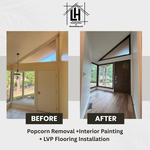
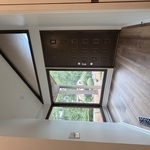
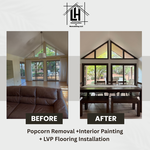
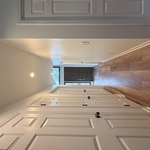
Plaster - InstallPlaster - Repair

Serving Hoffman, NC and surrounding areas

Approved

In business since 2020

Free estimates

Credit card accepted

"We recently had LH Construction install crown molding and detail molding throughout the downstairs walls of our home, and the results exceeded our expectations. The craftsmanship was outstanding — every corner and transition is clean and precise, and the molding has completely transformed the look of our space. What stood out most was the crew's professionalism. They worked efficiently without ever feeling rushed, and they were incredibly respectful of our daily routine throughout the project — coordinating around our schedule and keeping disruption to a minimum. It's rare to find a team that combines high-quality work with that level of consideration for the homeowners. We couldn't be happier with how everything turned out and would highly recommend LH Construction to anyone looking for detailed trim or molding work. Five stars!"
Painting- LVP install

+38

3 neighbors recently requested a quote
Showing 1-10 of 38
Plaster Repair questions, answered by experts

Drying alone can take 1 to 4 hours to dry to the touch per plaster layer, but some types of plaster take several hours longer to dry. However, this doesn’t mean the job is done because plaster doesn’t fully harden until it cures, which can take a few days to a couple of weeks. It may take even longer if you’re building a new, pretty thick plaster wall. Allow the plaster to cure before painting it.

Plastering and skimming are two different techniques for finishing walls. Plastering involves applying a thick layer of a plaster mixture—typically containing gypsum, lime, cement, sand, and water—to create a new surface. This process often requires multiple coats and is used for repairing significant damage or creating decorative textures. Skimming, on the other hand, is a technique that involves applying a thin layer of drywall compound or joint compound over an existing surface to smooth it out, covering minor imperfections, small cracks, or uneven textures for a polished look. Plastering is generally more costly and labor-intensive than skimming. Although some people use the terms interchangeably, they refer to different processes and materials.

While you should consult with a ceiling professional for larger cracks, especially if you’re not sure what’s causing your ceiling to crack, you can certainly try to repair small cracks on your own. If you’re up for the task, here’s how to repair ceiling cracks for $150 or less.

Although they have similar applications, spackle and joint compound are not the same. Their primary differences lie in their composition, consistency, and ideal use cases.

Spackle is composed of gypsum and binding agents, making it thicker than joint compound. It dries quickly and is easy to sand, which makes it ideal for small wall repair projects like filling nail holes or patching minor damage.

Joint compound, also known as drywall mud, consists of limestone and gypsum. It is primarily used for large-scale projects, such as taping and finishing the seams on newly installed drywall. It tends to shrink more than spackle and can be more difficult to spread.

While both products can be used to fill small depressions and cracks, spackle cannot replace joint compound for taping and mudding new drywall. Conversely, you can often use joint compound for small patching jobs typically done with spackle.

Ceiling-mounted curtains won’t damage the ceiling if they’re installed properly. Using the right anchors or securing the brackets into joists will ensure the curtain weight is properly supported and prevent damage. However, overtightening screws, using weak anchors, or repeatedly removing and reinstalling hardware in the same spot can cause cracking or sagging over time. In that case, you might have to call a pro for ceiling repair.

The Hoffman, NC homeowners’ guide to plaster repairs

From average costs to expert advice, get all the answers you need to get your job done.