






Top-rated welders.

Best welders near Hendersonville, NC

Enter your zip and get matched with up to 5 pros

Need a pro for your welding project in Hendersonville, NC?

Select your specific project to find the pro for you.

Top-Rated Welders in Hendersonville - Updated Nov 2026

Avatar for Arden Fence, Decks & Construction, Inc.
Arden Fence, Decks & Construction, Inc.
4.0(
15
)
Steel Beams (Structural) - Install

Serving Hendersonville, NC and surrounding areas

Approved

In business since 2015

Free estimates

Small jobs welcome

"Arden Fence and Deck responded quickly to our request for an estimate. The work was scheduled quickly and working around the weather, they had the steps built in less than a week. We are very happy with their customer service and the work!"
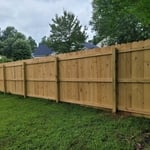
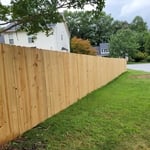
Back side of Privacy Fence
Front of Privacy Fence with Dog-ear
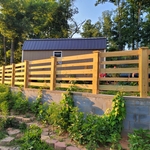
Pressure Treated Cow fence with 5 rails
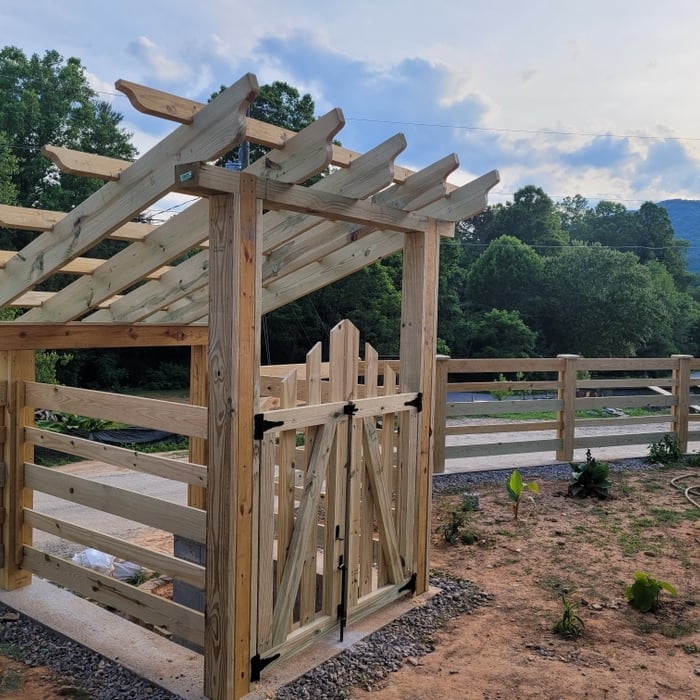
Pressure Treated cow fence with Arbor

+4

Response time1 day
6 neighbors recently requested a quote
Recommended by81%of homeowners
...
Showing 1-10 of 100
Welding FAQs, answered by experts

The cost to weld aluminum averages about $14 to $22 per pound. The type of metal factors into the overall cost of any welding project due to the cost of the materials and the expertise required to work with it. Some of the most common metals used by welders include:

  • Magnesium alloy: $7–$16 per pound

  • Low-carbon steel: $11–$12 per pound

  • Stainless steel: $13–$15 per pound

  • Copper/brass: $24–$29 per pound

  • Cast iron: $38–$79 per pound

  • Titanium: $60–$85 per pound

Yes, but you’ll need reliable steel-cutting tools and safety gear to get started. Shipping containers are typically around ¾ inch thick, so it’s entirely possible to cut through them, but experience and the right equipment are very important. When possible, try to get a container as close to the size you want it as possible.

Professional metal fabricators typically charge around $70 per hour, but the total cost of your project will depend on several factors. The largest cost drivers are the size, complexity, and design of the project, as well as the price and type of metal used. A good way to estimate the total cost is to multiply the cost of raw materials by four; typically, one-quarter of the total goes toward materials and three-quarters toward labor. Your geographic location can also influence costs, as labor and material prices vary by region.

Cutting rectangular ductwork requires careful measurements and the right technique. Use a measuring tape and pencil to mark the cutting lines accurately. Tin snips are excellent for straight cuts on smaller ducts. For more extensive or thicker rectangular ducts, a reciprocating saw with a metal-cutting blade is effective. 

Ensure the duct is well-supported and secure while cutting to prevent wobbling and maintain precision. After cutting, use a metal file to smooth any sharp edges, ensuring safety during installation. 

Yes, you can use a saw to cut metal pipes. The best saw to use is a reciprocating saw, but even a fine-tooth hacksaw can get the job done. No matter which saw you use to cut metal pipes, wear protective gear, like work gloves, safety goggles, and ear plugs. Apply a firm, steady pressure to the tool, and always ensure the pipes are secured so they don't move while you make the cuts.

The Hendersonville, NC homeowners’ guide to welding services

From average costs to expert advice, get all the answers you need to get your job done.