





Top-rated bathroom fan installation pros.

Get matched with top bathroom fan installation pros in Hamlet, NC

Enter your zip and get matched with up to 5 pros

Need a pro for your bathroom fan installation project in Hamlet, NC?

Select your specific project to find the pro for you.

TRUSTED BY HAMLET, NC HOMEOWNERS

  • Average homeowner rating star icon4.6
    Average homeowner rating
  • Verified reviews icon56
    Verified bathroom fan installations reviews

Find Bathroom fan installation pros in Hamlet

Hargrove's Home Improvement
4.4(
45
)
Bath Exhaust Fan - InstallBath Exhaust Fan - Repair

Serving Hamlet, NC and surrounding areas

In business since 2005

Emergency services offered

"Estimated cost for bathroom was $575; final cost was $700 due to additional problems encountered with floor supports. Returned later to fix a buckle in the vinyl near the door. The bathroom floor looks good. Mr. Hargrove had some problems getting into the house because my renter was not always there and I live 150 miles away.
"
Recommended by91%of homeowners

Avatar for Tammy's Cleaning & Handyman Services
Tammy's Cleaning & Handyman Services
4.9(
20
)
Bath Exhaust Fan - InstallBath Exhaust Fan - Repair

Serving Hamlet, NC and surrounding areas

In business since 2011

Free estimates

Emergency services offered

Our mission is to be a housecleaning and handyman company that brings back the personal touch with our customers. We will build a relationship that will last a lifetime after you see our quality work. As a locally owned and operated business we feel invested in our clients and constantly strive for customer satisfaction. We won't leave until the job is done right! Call or click to schedule an estimate today!\n

Handymen Project
Handymen Project
Handymen Project
Additional Photos
Additional Photos

+45

Recommended by94%of homeowners
Avatar for Harmon's Pressure Washing LTD
Harmon's Pressure Washing LTD
4.8(
12
)
Bath Exhaust Fan - InstallBath Exhaust Fan - Repair

Serving Hamlet, NC and surrounding areas

Free estimates

Increase your home's value by adding curb appeal! My experience can unearth what the dirt has been hiding. We guarantee your satisfaction and we won’t leave until the job is done right. We pride ourselves on the quality work we provide, while delivering great customer service! Check out our services offered and call or click to schedule a free estimate today. \n

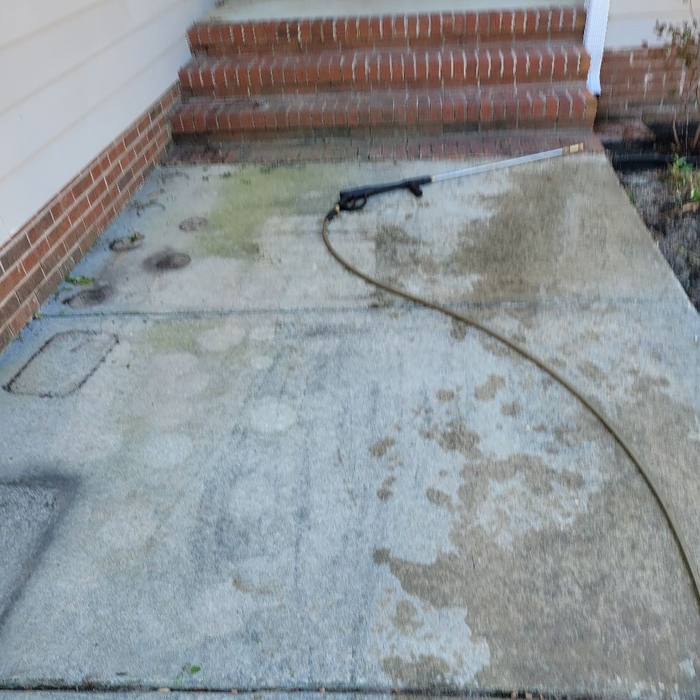
Pressure Washing Project
Pressure washing , gutter cleaning, staining, painting
Pressure Washing Project

+46

Recommended by90%of homeowners
Showing 1-10 of 28
Bathroom Fan Installation questions, answered by experts

When maintained and repaired when necessary, your whole-house fan can last between 10 and 20 years. Check your warranty when purchasing the unit, as it will typically only cover between 5 and 15 years. Its longevity will also depend on your local climate and how much you use the fan. Having a professional size your fan appropriately for your home size will also help ensure it doesn’t get overworked, which can limit its lifespan.

There are many types of ceiling fans, each with specific features and advantages. Standard ceiling fans are a traditional choice suitable for most spaces and can be made from materials like plastic, wood, metal, or fiberboard. For rooms with low ceilings, low-profile fans are a better fit. Other specialized types include smart fans, which you can control with a smartphone or voice commands, and dual-motor fans that provide increased airflow in multiple directions. For energy savings, Energy-Star certified fans can be up to 60% more efficient than standard models, helping to lower your utility bill. You can also find fans with built-in lights, fans with retractable blades, and large ceiling fans designed for spacious rooms with ceilings between 10 and 25 feet high.

While it may seem like it makes sense to put a fan in the attic to cool it down, it won’t be as effective as installing attic fans. Ventilation installed near the peak of the roof, whether passive (just allowing heat to escape) or active (drawing the air up and out) will be more effective at cooling the attic.

The direction you want your ceiling fan to move in depends on the season you’re in. During summer, you want it to move counterclockwise to produce a cooling downdraft. During winter, you want it to move clockwise to circulate warm air throughout the room.

While ceiling fans are built for regular use, running them continuously without breaks can lead to overheating and wear over time. If your fan has a thermal shutoff feature, it may stop running to protect the motor. To extend their lifespan, it’s best to turn fans off when they’re not needed.

The Hamlet, NC homeowners’ guide to bathroom fan installations

From average costs to expert advice, get all the answers you need to get your job done.