



•
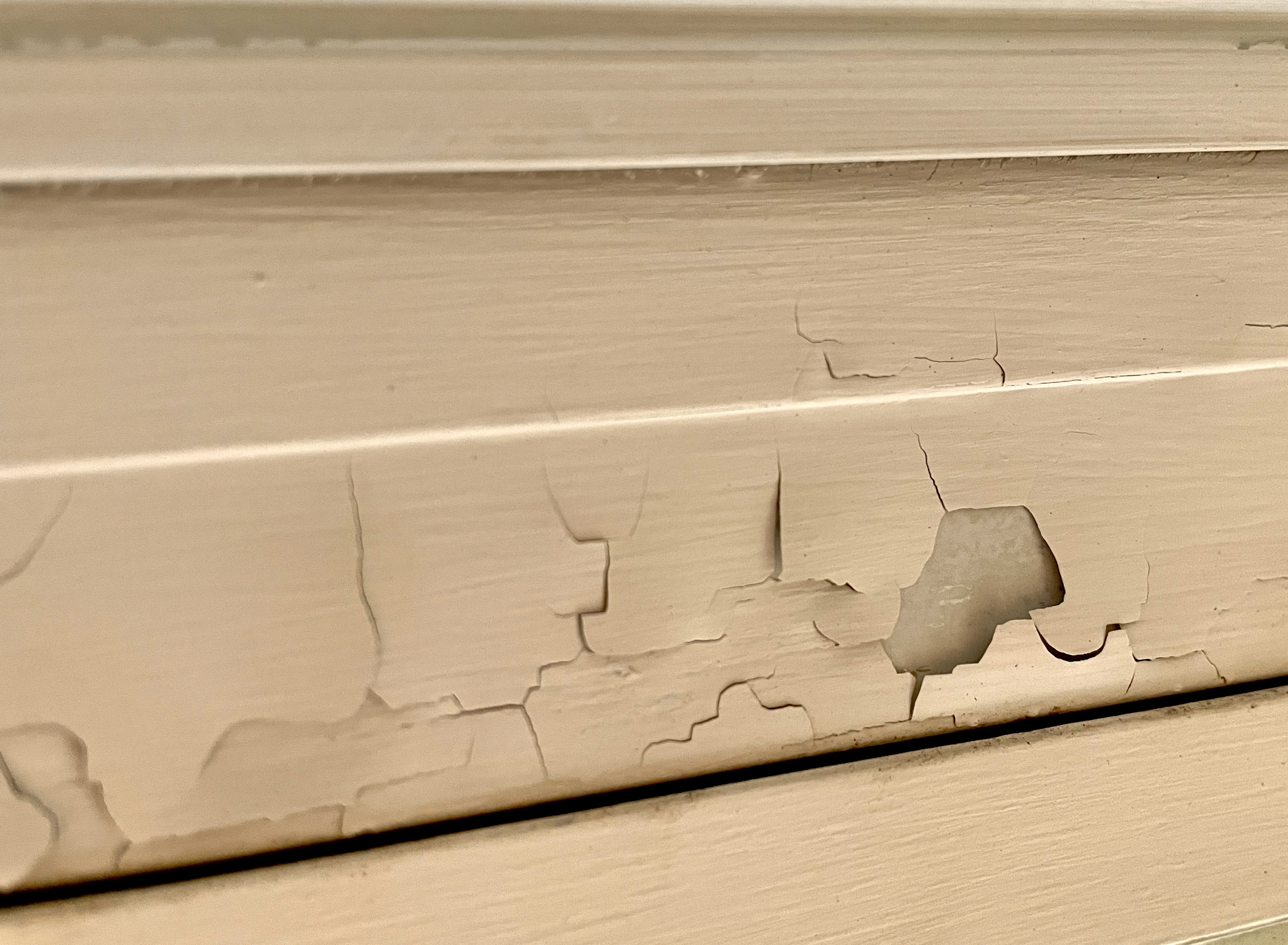
Discover the average lead paint removal cost, key price factors, and tips to save on safe, professional lead paint abatement for your home.
*The Angi rating for Lead Testing And Removal companies in Pikeville, NC is a rating based on verified reviews from our community of homeowners who have used these pros to meet their Lead Testing And Removal needs.
*The HomeAdvisor rating for Lead Testing And Removal companies in Pikeville, NC is a rating based on verified reviews from our community of homeowners who have used these pros to meet their Lead Testing And Removal needs.
Last update on June 09, 2026
From average costs to expert advice, get all the answers you need to get your job done.
Discover the average lead paint removal cost, key price factors, and tips to save on safe, professional lead paint abatement for your home.

Get expert insights on lead paint inspection costs, including key cost factors and ways to save. Learn what affects your estimate and how to budget effectively.

Learn how to hire a qualified lead testing professional for your home. Find certified inspectors, understand costs, and protect your family from lead hazards.

If you suspect the presence of lead paint in your home, testing is the natural first step. Here is who homeowners can hire to test for lead paint.

Have you recently renovated your home and removed all lead-based paint? Follow this guide on lead clearance testing to ensure it's all eradicated.

Confused about who to call to remove lead pipes? We've rounded up a few options for the safest removal by trained professionals.