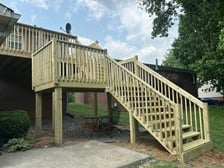
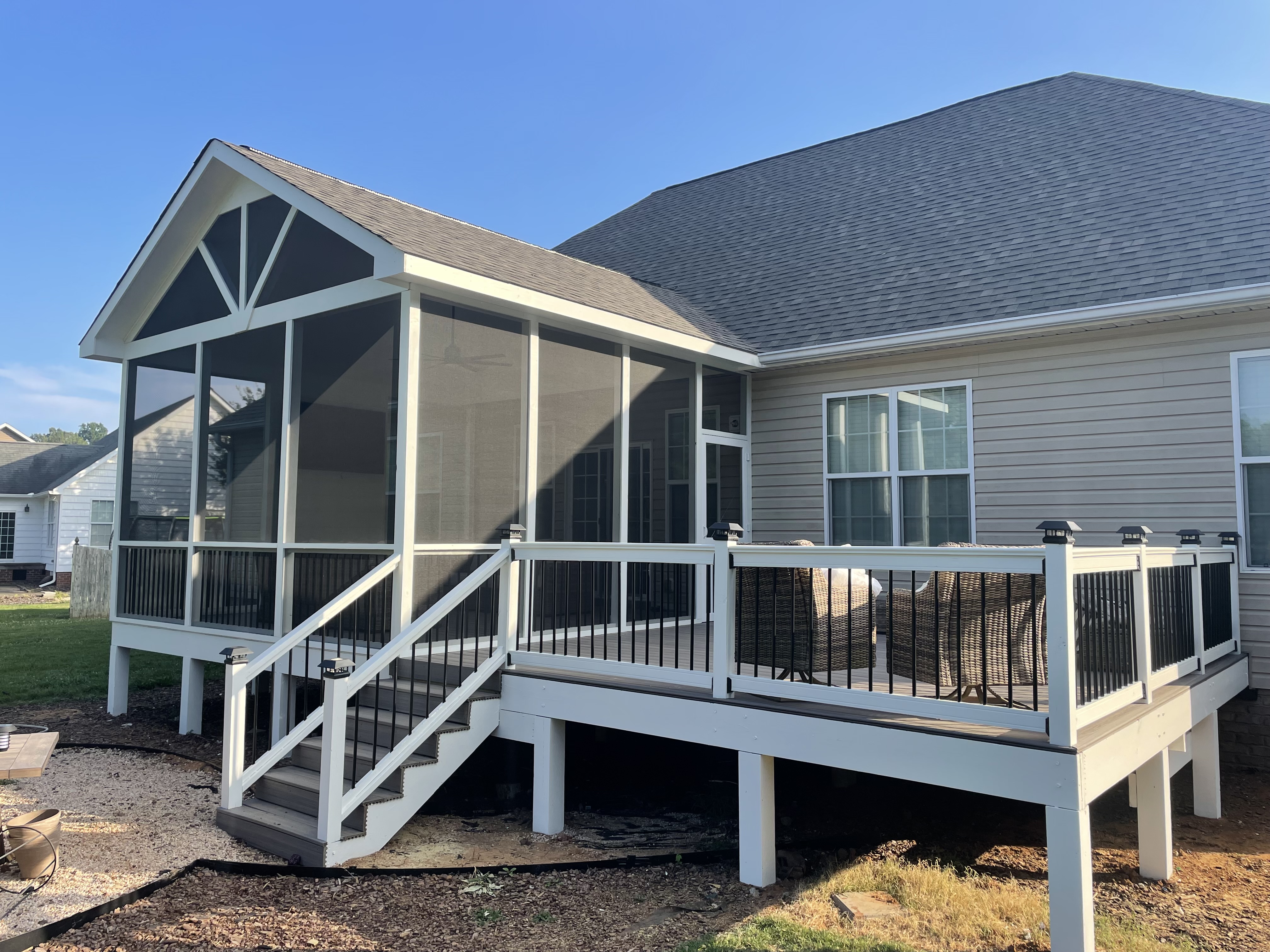



Top-rated deck staining pros.

Get matched with top deck staining pros in Franklinville, NC

Enter your zip and get matched with up to 5 pros

Need a pro for your deck staining project in Franklinville, NC?

Select your specific project to find the pro for you.

TRUSTED BY FRANKLINVILLE, NC HOMEOWNERS

  • Average homeowner rating star icon4.9
    Average homeowner rating
  • Verified reviews icon34
    Verified deck staining services reviews

Find Deck staining pros in Franklinville

Avatar for Cabrera's
Cabrera's
New to Angi
Exterior Home or Structure - Paint or Stain: LargeExterior Home or Structure - Paint or Stain: Medium

Serving Franklinville, NC and surrounding areas

Approved

In business since 2016

Free estimates

Credit card accepted

Cabrera's, is committed to excellence every aspect of our business. We uphold a standard of integrity bound by fairness, honesty and responsibility in all of our jobs. We are a locally owned and operated business with more than 2 years of experience serving Asheboro, NC and surrounding areas. There is no job too big, or too small for our team. Call today and let us put our experience to work for you!\n

Response time3 days
...
Showing 1-10 of 190
Deck Staining questions, answered by experts

Yes, you can and should paint or stain pressure-treated wood to help prevent the boards from cracking. However, you must wait for the wood to dry out completely before applying any finish. Freshly treated wood can take weeks or even months to dry; a common recommendation is to wait three to six months. To check if the wood is ready, perform a simple water test: drip some water onto the surface. If the water beads up, the wood is still too wet and needs more time to dry. If the wood absorbs the water, it is dry enough to be painted or stained. You can proceed with building your deck or fence while the wood is still wet, but you will need to wait to apply the paint or stain.

Staining pressure-treated wood is a recommended practice. While inherently resilient, it's not impervious to moisture and UV exposure. Staining treated wood is feasible and recommended for enhanced protection and longevity. Applying stain and sealant safeguards against degradation, prolonging its life span. These measures shield the wood from environmental threats while augmenting its aesthetic appeal, ensuring your investment endures the test of time.

Wood stain does go bad, but it will last in the can for between three and six years, provided you use proper storage techniques. Storing wood stain in open containers or in extremely low or high temperatures will cause your wood stain to become unusable much more quickly. Water- and latex-based wood stains typically last for just two to four years, while oil-based wood stains can last for three to six years.

Avoid using cleaning products that are abrasive or contain bleach or acidic components on composite decking to avoid discoloration. Early-generation Trex decking isn’t designed to handle pressure washer cleaning—and if you use them on second-generation boards, always use a low setting to avoid the risk of damage that can risk voiding your warranty.

Wet-sanding and dry-sanding each have pros and cons. Dry-sanding is less messy, so it’s a good option if you’re trying to minimize dust (for example, if you’re sanding an occupied home or working with particularly dry or dusty drywall mud). However, dry-sanding is quicker because you don’t have to keep rinsing a sponge or wait for it to dry before painting.

The Franklinville, NC homeowners’ guide to deck staining services

From average costs to expert advice, get all the answers you need to get your job done.