
Top-rated toilet pros.

Get matched with top toilet pros in Ellerbe, NC

Enter your zip and get matched with up to 5 pros

Need a pro for your toilet service project in Ellerbe, NC?

Select your specific project to find the pro for you.

TRUSTED BY ELLERBE, NC HOMEOWNERS

  • Average homeowner rating star icon4.6
    Average homeowner rating
  • Verified reviews icon96
    Verified toilet services reviews

Find Toilet pros in Ellerbe

Avatar for K & E Affordable Plumbing Services
K & E Affordable Plumbing Services
5.0(
15
)
Drain Clog or Blockage - Clear

Serving Ellerbe, NC and surrounding areas

In business since 2022

Free estimates

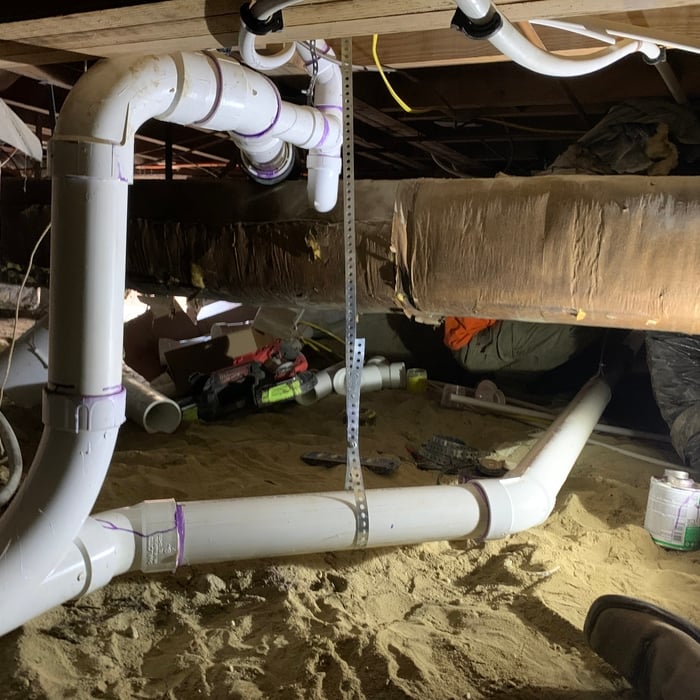
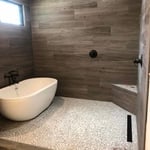
"Thes guys are some Great guys they come in and installed a shower for me and fixed some stuff underneath my house they were super nice, and very professional, and also on time. I would highly recommend on getting them to come out if you have any plumbing issues"
K&E affordable plumbing services and repair

+28

Response time4 hrs
Response rate93%
Recommended by100%of homeowners
Showing 1-10 of 43
Toilets questions, answered by experts

While a toilet dripping on the outside can be caused by condensation, a toilet that is constantly dripping on the inside is usually caused by a deteriorated flapper. This is one of the most common types of toilet leaks. As the flapper degrades, it won’t seal properly, and water will constantly leak into the toilet.

Yes, and no. Your shower, toilet, and sink all connect to the same main drain, but the secondary drains going from each fixture to the main drain are usually separate. This isn’t always the case—especially in older homes—but since toilets contain black water and showers, tubs, and sinks have grey water, toilets are more regulated and come at a greater risk of contamination. It’s best to keep these drains separate using individual waste collection for this reason.

Some older homes have toilets in the basement to combat sewage backups. This type of toilet, also known as a Pittsburgh potty, acted as a safety valve over the incoming sewer line. If a line backed up, it would back up into the toilet because it was the lowest fixture in the home, keeping it out of sight and away from the finished areas of the house.

Basement toilets were also used by workers with messy jobs, like those who worked in coal mines or steel mills. This way, they could clean up and avoid tracking dirt through their home.

If you’ve accessed the bolts and nuts that hold your toilet seat in place and can’t unscrew them, it’s possible that they were overtightened or that the material corroded over time, making it impossible to unscrew. If that’s the case, you can either call in a plumber for help, or you can DIY a solution if you’re careful. Lay down masking tape around the mounting bracket and then use the tape as a surface to lay a hack saw blade. Move slowly to cut through the bracket and bolt, being careful not to damage the porcelain in the process.

Yes, continuing to flush a clogged toilet is not likely to break up the clog. Instead, it will continue to put pressure on the clog while filling the bowl with more water, which can potentially cause the toilet to overflow—leading to an even bigger mess. Rather than repeatedly flushing, use a toilet plunger or plumber’s snake to dislodge the clog.

The Ellerbe, NC homeowners’ guide to toilet services

From average costs to expert advice, get all the answers you need to get your job done.