




Top-rated lead testing and removal specialists.

Best lead testing and removal specialists near Camp Lejeune, NC

Enter your zip and get matched with up to 5 pros

Need a pro for your lead testing and removal project in Camp Lejeune, NC?

Select your specific project to find the pro for you.

Top-Rated Lead testing and removal specialists in Camp Lejeune - Updated Nov 2026

Avatar for AdvantaClean of Coastal Carolina
AdvantaClean of Coastal Carolina
4.9(
15
)
Toxic Lead - AbatementToxic Lead - Testing

Serving Camp Lejeune, NC and surrounding areas

In business since 2011

Free estimates

Emergency services offered

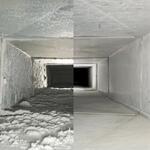
"We discovered mold around our vents inside of the house and called to have an inspection of our system. Eddie Geyer came to our home and was very professional (and polite) from the beginning to the end. We had several companies come out but chose this company due to their fair price, through inspection and professionalism. Mr. Geyer and his crew did an excellent job cleaning our vents (they had never been cleaned before). He answered all our questions and we feel confident that the vents are in much better condition now. I highly recommend this company."
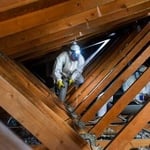
Additional Photos
Additional Photos
Additional Photos
Recommended by100%of homeowners
Avatar for Right Coast Solutions
Right Coast Solutions
5.0(
8
)
Toxic Lead - Testing

Serving Camp Lejeune, NC and surrounding areas

In business since 2016

"I was very happy with all the work performed.. They take great pride in their work.. Always on time and ready to work..Very trust worthy..And in this day of age that's priceless..highly recommend.."
Recommended by100%of homeowners

Lead Testing and Removal FAQs, answered by experts

Professional testing for lead paint costs about $300, ranging from about $250 to $700, depending on the square footage, accessibility, and location. However, testing for lead paint with a DIY home-testing kit costs about $25, but doesn’t guarantee accurate results. The U.S. Environmental Protection Agency (EPA) recommends using a lead test kit that complies with the Lead Renovation, Repair, and Painting (RRP) Rule, which has strict criteria for ensuring a more accurate reading.

Common home surfaces to test for lead include:

  • Walls

  • Windows

  • Doors

  • Molding and trim

  • Railings

DIY kits are available for basic air quality testing, but professional services provide more comprehensive results and recommendations. While a DIY kit may seem cost-effective, a professional assessment is more thorough. Inspectors are better equipped to catch all pollutants and hazards, and you'll still need a professional to verify and act on DIY test results. Furthermore, some kits don't test for certain pollutants or only detect their presence without measuring specific levels (like mold spores). It's generally better to opt for a detailed professional assessment.

If your home was built before 1978, there’s a chance that any paint on your hardwood floors could be lead paint—especially if it was already there when you moved in. Because lead is toxic, hiring a licensed pro to remove it is mandatory. The average price for professional lead paint removal ranges from $1,500 to $5,300 and depends on the scope of the project.

Lead paint test kits are not always accurate. Several factors can play into why a test kit provides an inaccurate result such as user error, sample viability, the age and condition of the paint, or difficulty interpreting the final result. If you are looking for 100% accuracy, hiring a professional lead paint test is the only way to get that piece of mind.

According to the Environmental Protection Agency (EPA), hazardous waste is generally classified into four main categories:

1. Characteristic Wastes: These exhibit at least one of four hazardous traits: ignitability (flammable, like gasoline), corrosivity (can rust or decompose materials, like car batteries), reactivity (unstable and can explode, like aerosol cans), or toxicity (harmful when ingested, like lead-based paint).

2. Listed Wastes: These are specific wastes from manufacturing and industrial processes that the EPA has officially designated as hazardous. They include byproducts from processes that use solvents, pesticides, and other chemicals.

3. Universal Wastes: These are commonly generated hazardous items that are subject to streamlined regulations. Examples include batteries, pesticides, mercury-containing equipment (e.g., bulbs), and some lamps.

4. Mixed Wastes: This category includes waste that contains both hazardous and radioactive components, making it subject to regulation by both the EPA and the Nuclear Regulatory Commission.

The Camp Lejeune, NC homeowners’ guide to lead testing and removal services

From average costs to expert advice, get all the answers you need to get your job done.