
Get matched with top lead testing and removal specialists in Bunn, NC
Top-rated lead testing and removal specialists.

Need a pro for your lead testing and removal project in Bunn, NC?

Select your specific project to find the pro for you.

Find Lead testing and removal specialists in Bunn

Avatar for Pro-Clean Services LLC
Pro-Clean Services LLC
4.6(
24
)

Serving Bunn, NC and surrounding areas

In business since 2012

Emergency services offered

Credit card accepted

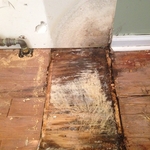
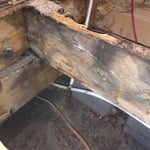
"House was for sale, inspector found mold...   lots of it... in the attic.
Contacted Pro-Clean, they came right out,  inspected everything and outlined the "plan of attack".
They took are of everything... I didn't even need to be there.   Everything looks great, and no messes to clean up after!
Price was more than I wanted to spend,  but fair considering the amount of remediation that needed to be done.
"
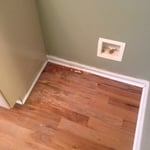
Damaged Hardwood
Fungal Growth
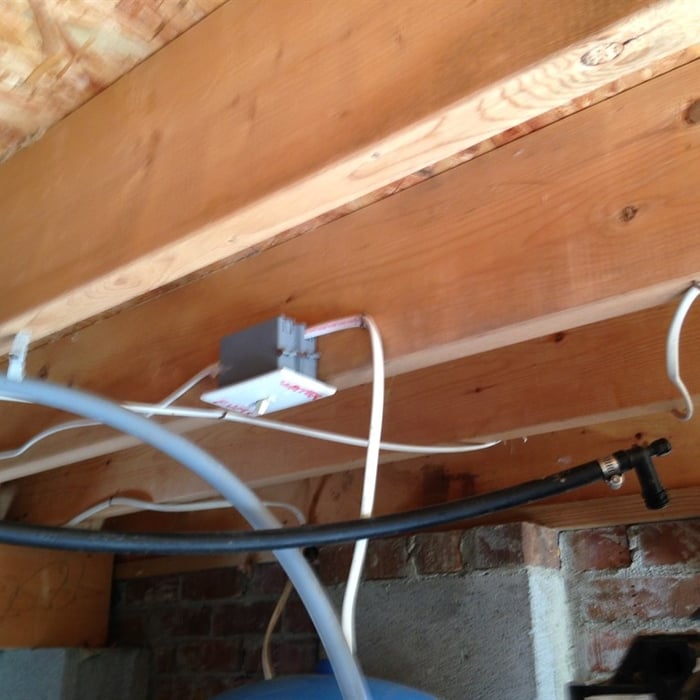
Floor joists
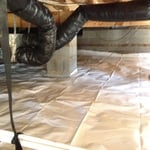
Vapor Barrier
Remediation

+4

Recommended by83%of homeowners

Lead Testing and Removal questions, answered by experts

Avoid disturbing suspected lead-containing materials and follow professional guidance on sample collection.

No, a standard home inspection includes the basics and does not offer lead paint testing. Professional lead paint inspectors need specific licenses to perform these inspections, which not all home inspectors have. If you suspect lead paint in the home you are about to purchase, you will need to pay separately to have that done. If the findings come back positive, you may be able to negotiate with the buyer to cover the cost of the removal.

Exterior paint contains a higher level of VOCs, which can be dangerous if you’re exposed to it for a long period of time. The good news is that paint’s toxicity reduces significantly once fully dried and cured. Do not keep open exterior paint cans in your home, basement, or garage, exposing your household to harmful chemicals over time.

Properties should be tested for lead every 2-3 years, especially if they are older, have undergone renovations, or show deterioration of paint or interior finishes.

According to the Environmental Protection Agency (EPA), hazardous waste is generally classified into four main categories:

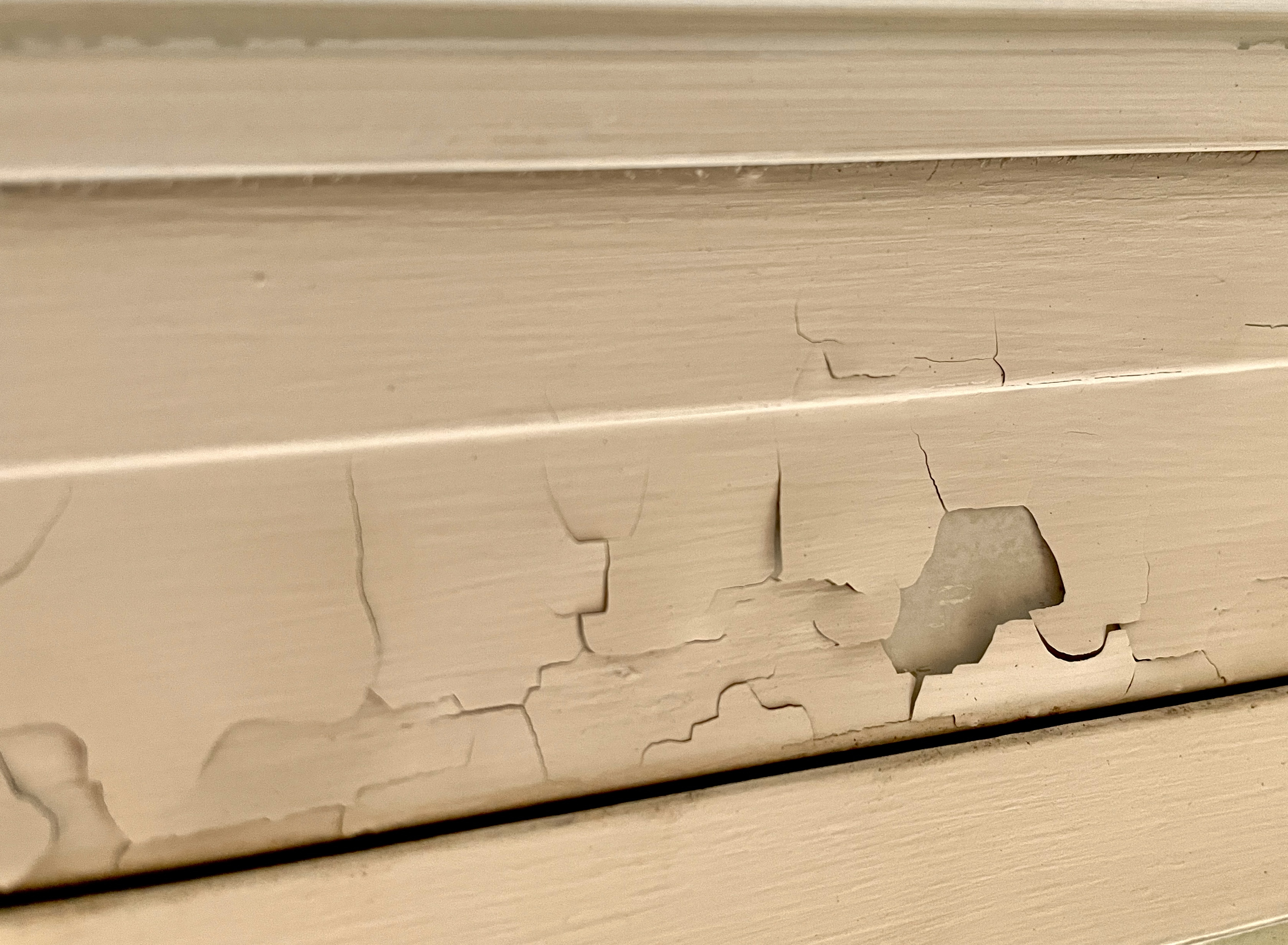
1. Characteristic Wastes: These exhibit at least one of four hazardous traits: ignitability (flammable, like gasoline), corrosivity (can rust or decompose materials, like car batteries), reactivity (unstable and can explode, like aerosol cans), or toxicity (harmful when ingested, like lead-based paint).

2. Listed Wastes: These are specific wastes from manufacturing and industrial processes that the EPA has officially designated as hazardous. They include byproducts from processes that use solvents, pesticides, and other chemicals.

3. Universal Wastes: These are commonly generated hazardous items that are subject to streamlined regulations. Examples include batteries, pesticides, mercury-containing equipment (e.g., bulbs), and some lamps.

4. Mixed Wastes: This category includes waste that contains both hazardous and radioactive components, making it subject to regulation by both the EPA and the Nuclear Regulatory Commission.

The Bunn, NC homeowners’ guide to lead testing and removal services

From average costs to expert advice, get all the answers you need to get your job done.