



Top-rated lead testing and removal specialists.

Best lead testing and removal specialists near Belwood, NC

Enter your zip and get matched with up to 5 pros

Need a pro for your lead testing and removal project in Belwood, NC?

Select your specific project to find the pro for you.

Top-Rated Lead testing and removal specialists in Belwood - Updated Nov 2026

Avatar for THE MOLD HUNTER INC
THE MOLD HUNTER INC
5.0(
37
)
Toxic Lead - AbatementToxic Lead - Testing

Serving Belwood, NC and surrounding areas

In business since 2004

Free estimates

Credit card accepted

"Mike Smith, The Mold Hunter, Inc., was an extremely easy and professional mold remediation company to work with. Mike was prompt with communications throughout the process, answered all our questions and gave detailed explanations of what was going to be done from testing to remediation, and he provided a detailed and accurate estimate of the cost. His employees were very thorough, competent, and respectful of our property. Mike even gave suggestions as to how we could do some preparation ourselves in order to save money. What more could you ask? We highly recommend Mike for testing and mold remediation."
Additional Photos
Additional Photos
Additional Photos
Response time1 day
Recommended by100%of homeowners
Avatar for Water And Fire Techs
Water And Fire Techs
5.0(
3
)
Toxic Lead - AbatementToxic Lead - Testing

Serving Belwood, NC and surrounding areas

In business since 2022

Free estimates

Emergency services offered

"My house had been infested with mold for countless years, I hadn’t the money to hire anyone. My friend’s family had just started their business recently and told me they would do the job for cheaper so I asked; they did. They were quick and respectful—in and out—and made sure to not shirk an inch of the property. I’m grateful to them I can finally breath freely in my house without worry of inhaling toxic materials. While they were there one of their workers, Juan, noticed a leak of sewage in the basement. He spent the rest of his available time to dry out the sewage and properly clear the leak. Now I might be a bit biased, but, I would highly recommend hiring them and if I have another issue with mold (MAKE SURE TO TEST REGULARLY PEOPLE!!) I’ll call on them."
Additional Photos
Additional Photos
Additional Photos
Additional Photos
Additional Photos

+38

Recommended by100%of homeowners
Lead Testing and Removal FAQs, answered by experts

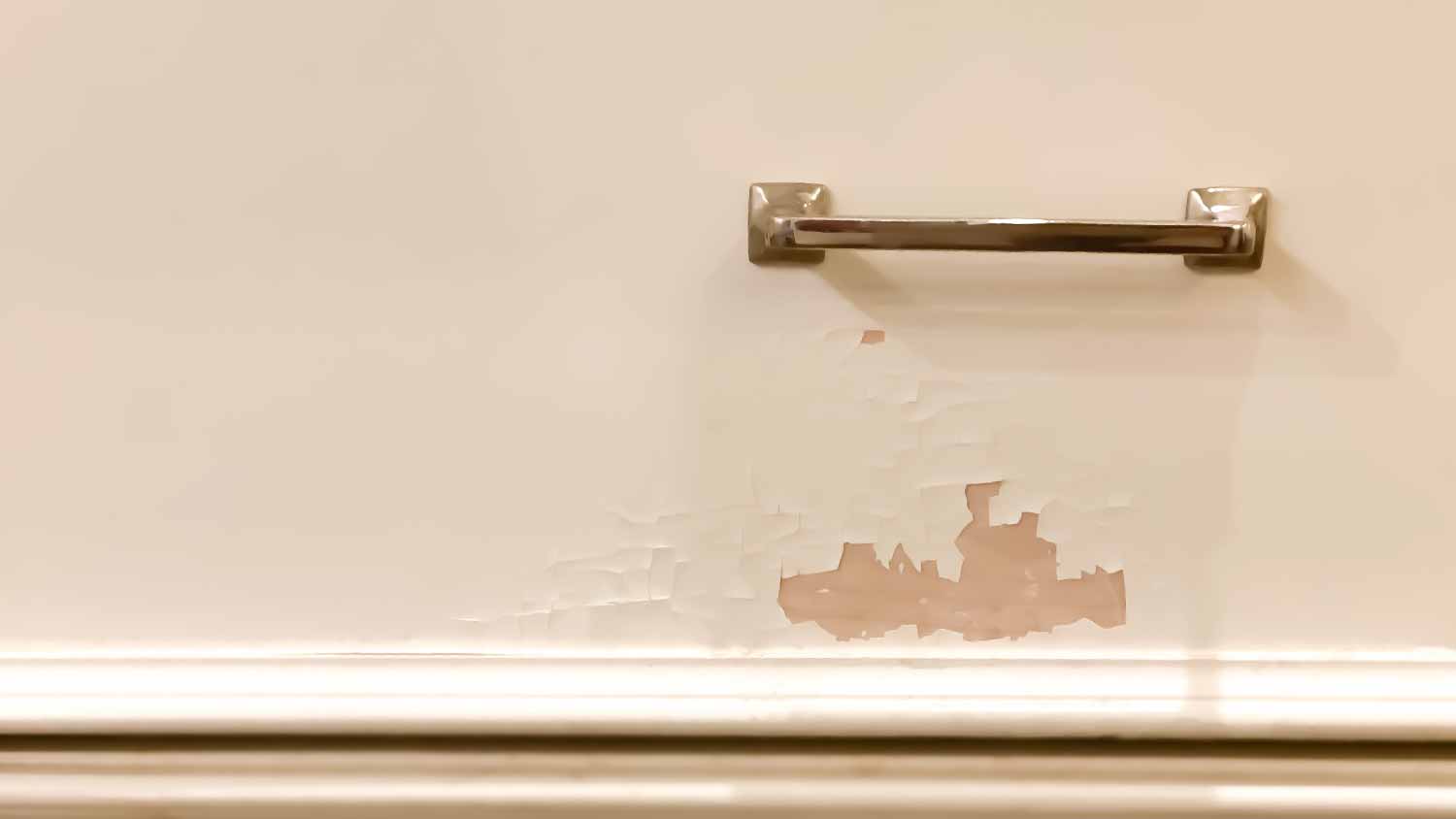
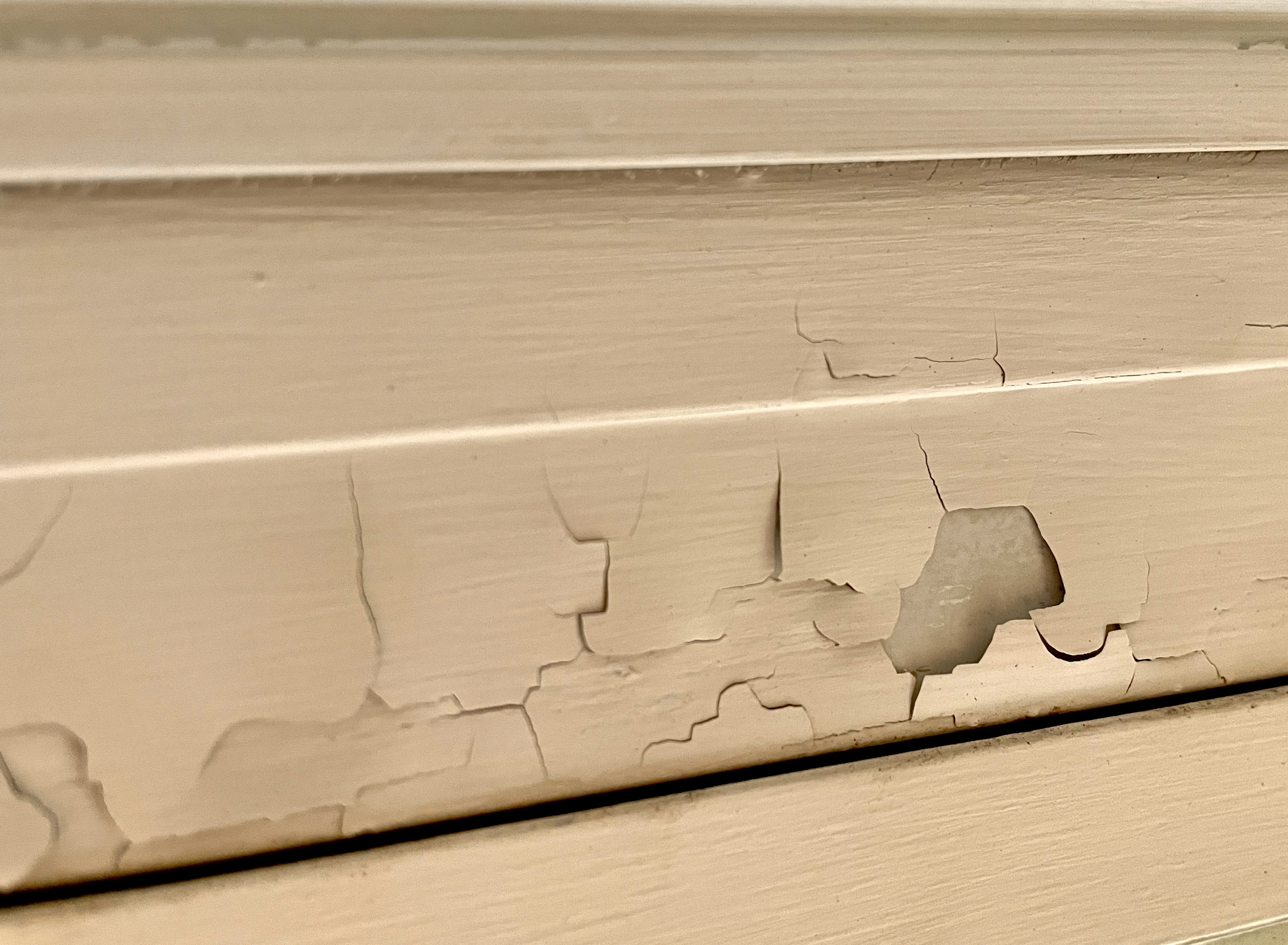
Lead toxicity comes from inhaling lead or consuming it. Before the 1980s, when the government banned lead from consumer use, it could be found in paint, plumbing, pipes, ceramics, and even gasoline. Lead paint is toxic for the same reason lead itself is toxic, which is why lead poisoning from paint presents the same as lead poisoning from water or food sources, with a slight increase in respiratory symptoms vs. digestive symptoms. Lead paint is most dangerous when it’s old and peeling, cracking, or otherwise disturbed. This increases the concentration in the air and, therefore, in breathable air. 

Properties should be tested for lead every 2-3 years, especially if they are older, have undergone renovations, or show deterioration of paint or interior finishes.

Lead removal services typically cost between $1,000 and $5,000, depending on the extent of lead presence, the property size, and the complexity of the abatement process.

Some causes of brown well water—like excess tannins or dissolved iron—don’t pose a health risk. In other cases, harmful bacteria might be the culprit. If your well water has suddenly turned brown, it’s a good idea to use a home water test kit to get a better sense of what’s going on with your water. Consider calling a professional for an expert opinion before drinking the water and hoping for the best.

According to the Environmental Protection Agency (EPA), hazardous waste is generally classified into four main categories:

1. Characteristic Wastes: These exhibit at least one of four hazardous traits: ignitability (flammable, like gasoline), corrosivity (can rust or decompose materials, like car batteries), reactivity (unstable and can explode, like aerosol cans), or toxicity (harmful when ingested, like lead-based paint).

2. Listed Wastes: These are specific wastes from manufacturing and industrial processes that the EPA has officially designated as hazardous. They include byproducts from processes that use solvents, pesticides, and other chemicals.

3. Universal Wastes: These are commonly generated hazardous items that are subject to streamlined regulations. Examples include batteries, pesticides, mercury-containing equipment (e.g., bulbs), and some lamps.

4. Mixed Wastes: This category includes waste that contains both hazardous and radioactive components, making it subject to regulation by both the EPA and the Nuclear Regulatory Commission.

The Belwood, NC homeowners’ guide to lead testing and removal services

From average costs to expert advice, get all the answers you need to get your job done.