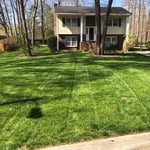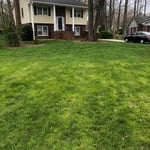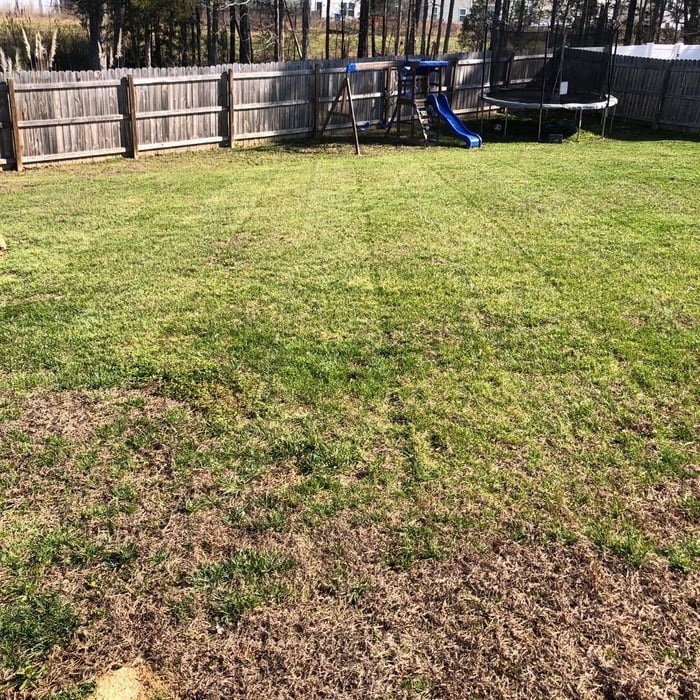

Top-rated leaf removal pros.

Get matched with top leaf removal pros in Albemarle, NC

Enter your zip and get matched with up to 5 pros

Need a pro for your leaf removal project in Albemarle, NC?

Select your specific project to find the pro for you.

TRUSTED BY ALBEMARLE, NC HOMEOWNERS

  • Average homeowner rating star icon4.1
    Average homeowner rating
  • Verified reviews icon21
    Verified leaf removal services reviews

Find Leaf removal pros in Albemarle

Avatar for Junkin' Bros, LLC
Junkin' Bros, LLC
5.0(
29
)

Serving Albemarle, NC and surrounding areas

Approved

Super Service Award Winner

In business since 2018

Free estimates

Small jobs welcome

"Hired Junkin Bros to clear a wooded area including poison ivy removal and carrying away the debris. Billy was very efficient, thorough, and reasonably priced!"
Response time2 hrs
Response rate88%
4 neighbors recently requested a quote
Avatar for Earl and Pearl General Maintenance, LLC
Earl and Pearl General Maintenance, LLC
4.9(
20
)

Serving Albemarle, NC and surrounding areas

Approved

Super Service Award Winner

In business since 2017

Free estimates

Small jobs welcome

"I was extremely happy with Earl and Pearl Maintenance...my vacation house’s yard was in dire need of attention...it had been neglected for nearly 4 years...they came, did a tremendous amount of work and my yard looks fantastic again! They did exactly what I asked which was hand rake and clean it up...they removed all the leaves, dead vegetation and tree limbs as I asked...I couldn’t have been more pleased or more impressed with how hard these guys worked!! 5 stars all day long!!"
Response time3 hrs
Response rate100%
12 neighbors recently requested a quote
Avatar for Cl lawn care landscaping llc
Cl lawn care landscaping llc
5.0(
5
)

Serving Albemarle, NC and surrounding areas

Approved

C & L Lawn Care Landscaping & Home Repairs is a dependable landscaping and property maintenance company dedicated to keeping residential and commercial properties clean, attractive, and well-maintained year-round. We specialize in lawn care, bush trimming, weed control, mulching, property cleanups, decks, patios, and general home improvement services.\nOur mission is to provide reliable, affordable, and quality workmanship with attention to detail and customer satisfaction at the center of every job. Whether it’s routine lawn maintenance or improving outdoor living spaces, we take pride in helping our customers enhance the beauty and value of their properties.\nAt C & L, we believe in hard work, professionalism, and building lasting relationships with our clients through dependable service and honest communication

27 neighbors recently requested a quote
...
Showing 1-10 of 311
Leaf Removal questions, answered by experts

You can paint over lead paint, or “encapsulate” it with a special paint that includes an ingredient called an encapsulant. The EPA approves encapsulation as a lead paint removal method as long as the paint remains undisturbed. Standard types of paint without an “encapsulant” from the big box stores or hardware stores do not meet EPA standards for remediation of lead-based paint.

While not all homes built before 1978 contain lead paint, enough do, so you’ll still want to test to be on the safe side. The federal government banned lead-based paint for homes in 1978, but your state may have banned lead before that time. Around 24% of homes built between 1960 and 1977 contained lead-based paint, while 87% of homes built before 1940 contained lead-based paint.
If the lead paint is in a place that is not easily disturbed and is not flaking or deteriorating, you do not necessarily need to remove it. Lead is toxic when dust particles or flakes from peeling lead paint are ingested. If people are not in the area with the lead paint, it may be safe to leave it in place. You still may want to consider encapsulation with a paint formulated for covering lead-based paint, just for an added layer of protection.

According to the Environmental Protection Agency (EPA), hazardous waste is generally classified into four main categories:

1. Characteristic Wastes: These exhibit at least one of four hazardous traits: ignitability (flammable, like gasoline), corrosivity (can rust or decompose materials, like car batteries), reactivity (unstable and can explode, like aerosol cans), or toxicity (harmful when ingested, like lead-based paint).

2. Listed Wastes: These are specific wastes from manufacturing and industrial processes that the EPA has officially designated as hazardous. They include byproducts from processes that use solvents, pesticides, and other chemicals.

3. Universal Wastes: These are commonly generated hazardous items that are subject to streamlined regulations. Examples include batteries, pesticides, mercury-containing equipment (e.g., bulbs), and some lamps.

4. Mixed Wastes: This category includes waste that contains both hazardous and radioactive components, making it subject to regulation by both the EPA and the Nuclear Regulatory Commission.

The best disposal method for hazardous waste is recycling or donation, if possible. That way, the world can reduce its consumption of raw materials and the volume at which materials have to be treated and disposed of. If recycling or donation is not an option, most waste can be disposed of through landfills or incinerators, but their collection and treatment are separate from regular day-to-day waste disposal. 

The Albemarle, NC homeowners’ guide to leaf removal services

From average costs to expert advice, get all the answers you need to get your job done.