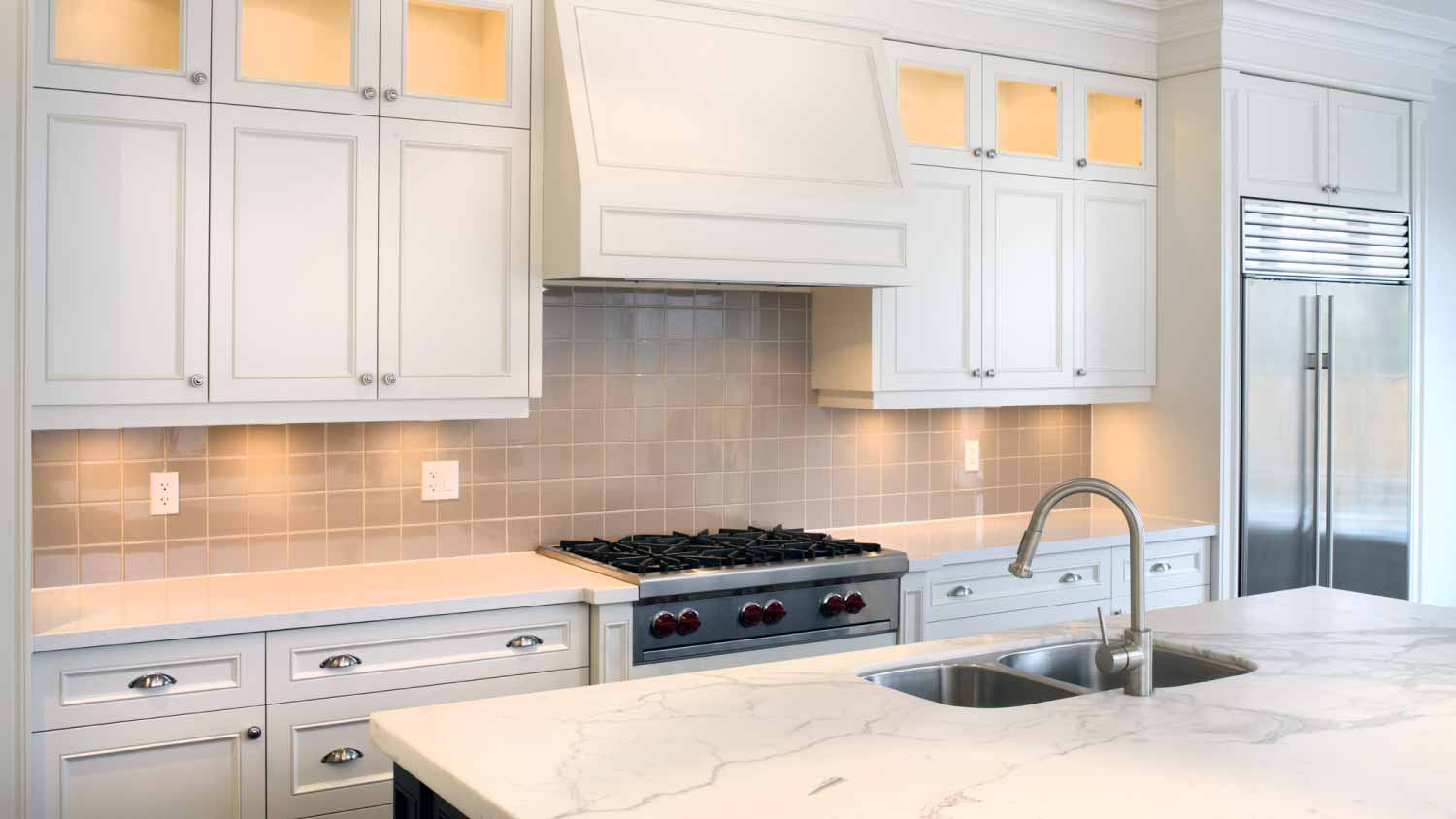
Chuck's Cabinets and Construction has been in business since 1995. We can handle all of your cabinet and countertop needs. We also can to full additions as well as remodels. We take pride in each and every project that we handle. You as the customer are included in each and every step. We understand how important your home is to you so we perform the work as if it was our own home. All of our employees are reputable and nothing but the best customer service is given. Please call us today so that we can set up an appointment for you. We look forward to talking to you.
Common issues include cracks, stains, scratches, and chips. These can occur from impacts, spills, or improper maintenance. Addressing them promptly can prevent further damage and maintain the countertop’s aesthetic and functional integrity.
Yes, a granite countertop can be cut in place. However, learning how to cut a granite countertop in place is a lot trickier than cutting granite in an open, well-ventilated space. You’ll also need to protect everything in the surrounding area (like your kitchen cabinets and appliances), but even that might not be enough to prevent dust from getting stuck in tight spots. If you absolutely must cut a granite countertop in place, consider hiring a pro to get the job done in the cleanest and safest way possible.
No, you should not put a hot pan or pot directly on a quartz countertop. While quartz is generally heat-resistant, the resin binders used in its manufacturing are sensitive to extreme heat. Placing a hot pan on the surface can damage the resin, leading to discoloration or other cosmetic issues. If the heat exceeds 150 degrees Fahrenheit, it can cause permanent damage, such as burns or even cracking. To protect your countertop, always use trivets or hot pads.
Marble is a porous natural stone that needs sealant to minimize staining. Leaving this type of countertop material sealant-free means any liquids left on the surface will quickly absorb into the stone, discoloring it and dulling the sheen. Dark or acidic liquids, like red wine, coffee, and lemon, are the worst culprits.
Engineered stone doesn’t need sealing because it is non-porous. The manufacturing process creates a natural stain resistant to moisture, which also makes it easy to clean.
The Wolf Point, MT homeowners’ guide to marble restoration services
From average costs to expert advice, get all the answers you need to get your job done.
Thinking about marble restoration? Learn about polishing options, average costs to expect, and how to hire the right local pro to renew your stone surfaces.