"I only use James when I need some work done to my house. He responds fast, gets the work done quicker than just about anyone else I've ever used and seems very concerned with leaving his customers happy."
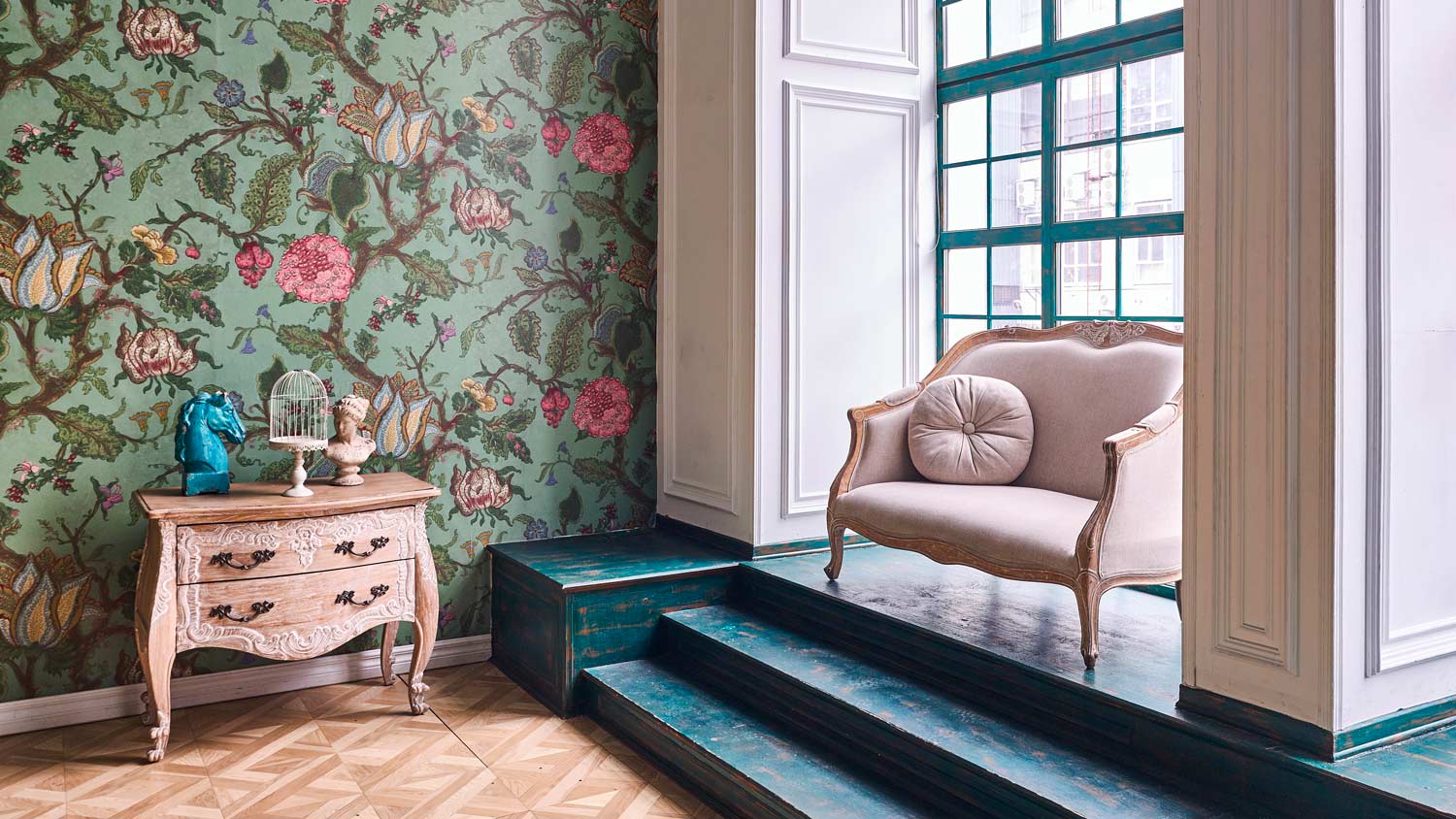
One of the biggest downsides to peel-and-stick wallpaper is that it doesn't last as long as traditional wallpaper. Its lifespan depends on several factors, including the quality of the paper, proper wall preparation and application, and the room's conditions. As a general rule, peel-and-stick wallpaper can last for at least five years, but this can vary significantly. Budget products may only last about 3 years, while higher-quality products can stay up for 7 years or more in ideal conditions. Factors that can shorten its lifespan include high humidity (such as in a bathroom), dirty walls, and low-quality paper. If used on flooring, expect it to last only 1 to 3 years unless sealed. However, the shorter lifespan can be seen as a positive, making it a great choice for people who enjoy switching up their interiors more frequently.
Think hard before deciding to German schmear your home’s exterior brickwork. If you do not like the look, you are pretty much stuck with it, as it is impossible to remove this finish the way you can remove paint. You risk damaging the underlying brick if you have to chisel and acid-wash it away. It will also take a very long time, and remnants of the mortar wash will always remain.
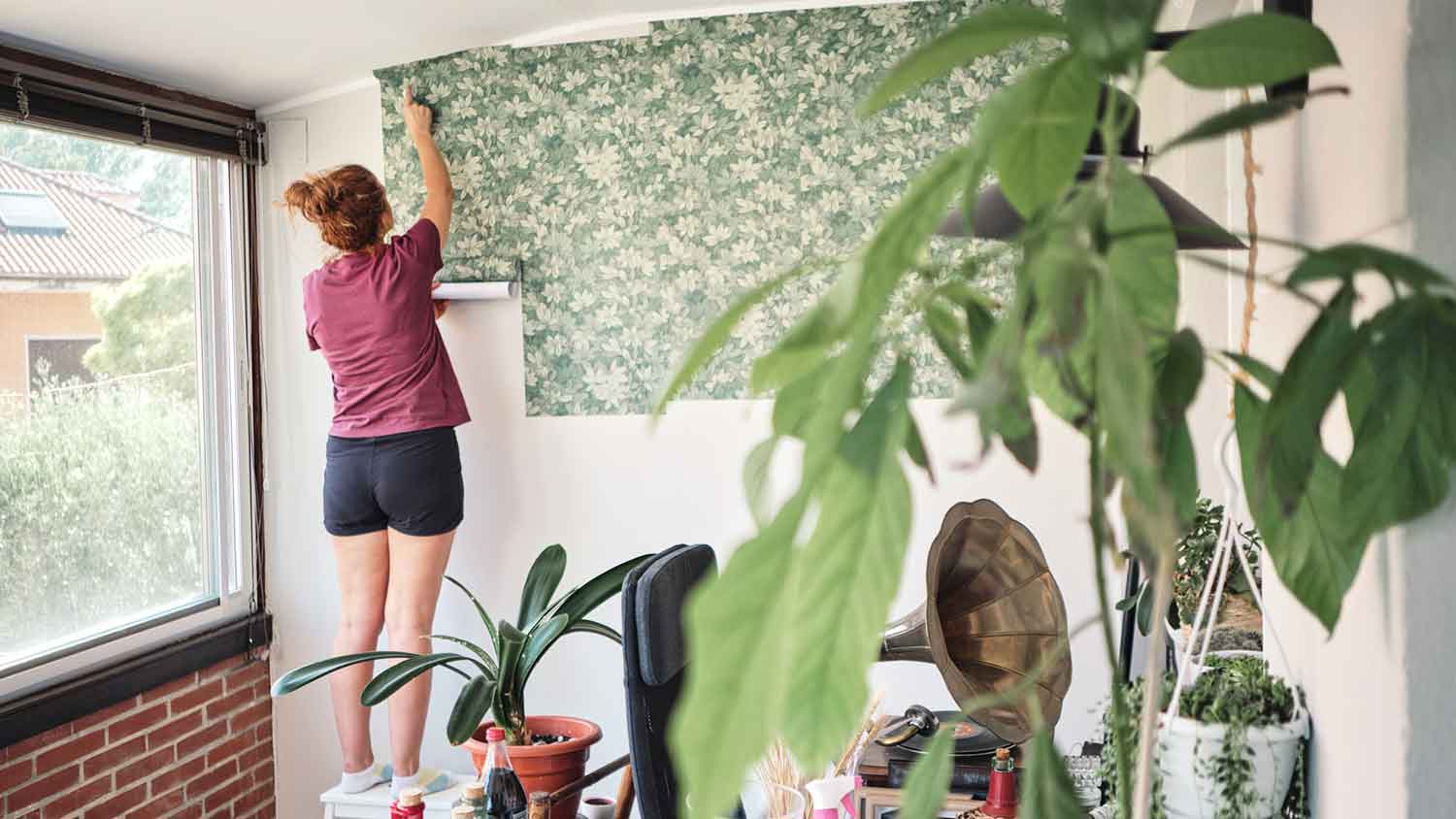
Hiring a professional wallpaper hanger is usually a worthwhile idea because, while the application of wallpaper itself is easy, getting the finished product to look good is complicated and takes a lot of practice and patience. A professional wallpaper hanger will not only be able to hang your wallpaper seamlessly, but they will also get an even application of wallpaper paste to avoid bubbling and imperfections immediately and over time. Plus, they can provide their professional opinion on whether to remove or wallpaper over an existing layer of wallpaper.
Painting over wood paneling is an option that can save you money and time. However, if you go this route, the style and texture of the wood you paint over will still be evident. Painting over paneling is an excellent way to modernize an otherwise outdated aesthetic. Instead of removing wood panels, consider painting them a bright color–like white or ivory. This is essentially wainscoting, but without any of the required installation.
Because poison ivy and similar plants can cause potentially life-threatening allergic reactions depending on your sensitivity, it's best to hire a professional to remove it. Hiring a local lawn care service or other professional also increases your chances of successful eradication so that you don't have to deal with the issue again several months down the road.
The Terry, MT homeowners’ guide to wallpaper removal services
From average costs to expert advice, get all the answers you need to get your job done.
Discover wallpaper installation cost. Learn about material, labor, and project factors to estimate your budget and make informed choices for your home.
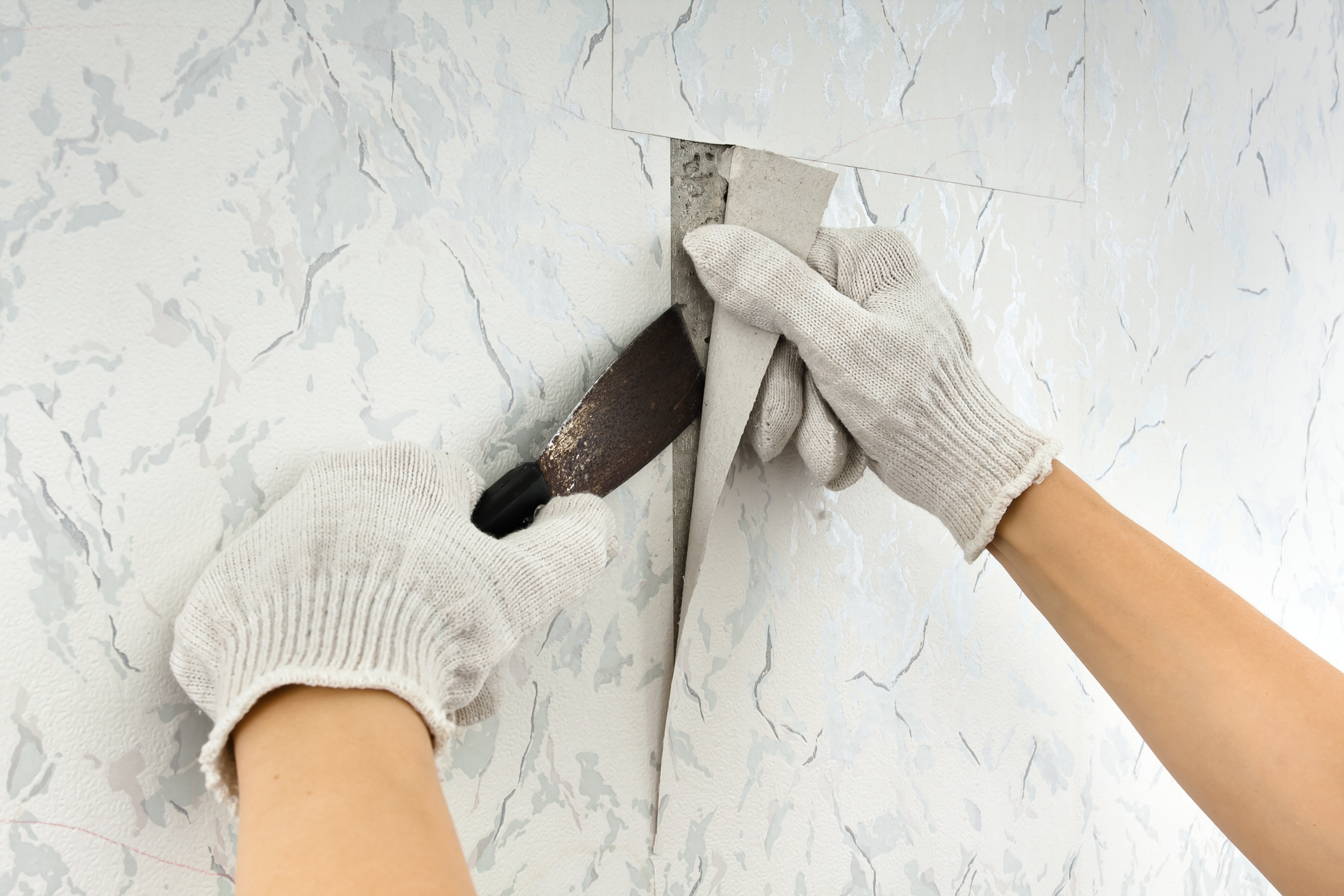
Planning a room update? Learn about the wallpaper removal process, costs to expect, and how to find and hire the right local pro for a paint-ready finish.
Taking down wallpaper is a tedious and time-consuming job. Here are some tips on how to hire someone to remove wallpaper for you to make your life easier.