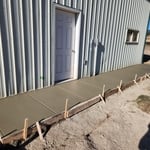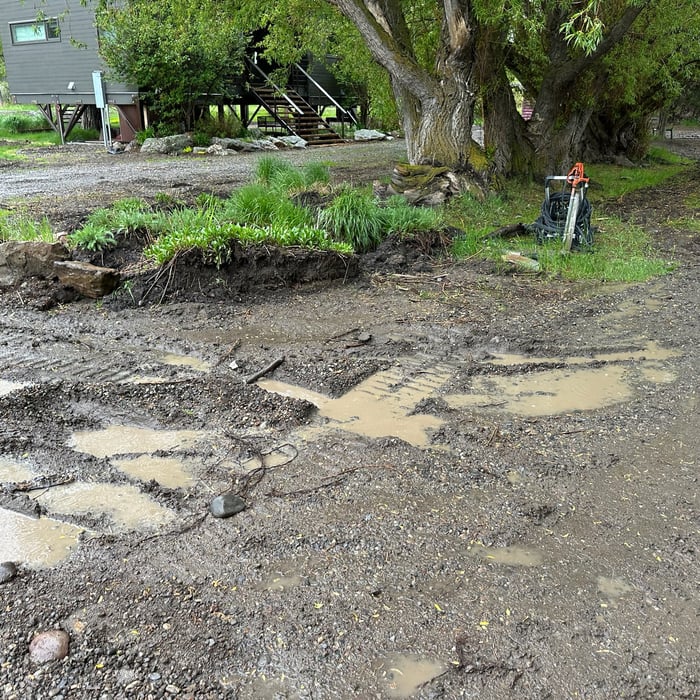
"We recently worked with Flathead Excavation and couldn't be happier with the experience. From start to finish, their communication was outstanding—they kept us informed every step of the way, answering all of our questions promptly and clearly. The quality of their work was exceptional, and they went above and beyond to ensure everything was done to the highest standard. Their team demonstrated incredible professionalism, attention to detail, and a genuine commitment to delivering results that exceeded our expectations. If you're looking for a reliable, hardworking excavation company that truly cares about its clients and the work they provide, I highly recommend Flathead Excavation. A top-notch team that you can trust!"
If you dream it, we can build it. What's the biggest difference between us and them? We build to last! We offer a full line of Green and Energy Star Certified products, backed by our labor and manufacturer's lifetime transferable warranties. Credit Cards Welcome Financing Available OAC.
I, Kohlter Thompson, have 5 years of experience with excavation. I am punctual, reliable, and dependable. I offer fair prices to ensure customer satisfaction. Give me a call today.
"Jasen does great work. We have hired him to do a couple projects for us this past year. It has been a great experience. He has good communication, he gets back to us when we call and his price point is really reasonable. He does good quality work."
You should dig 3 to 6 inches deep for plastic edging. Dig as wide as you need to fit your plastic edging into it—2 inches is usually sufficient.
Most states do not require excavation companies to hold specific licenses, but many require at least a contractor’s license. Additionally, heavy equipment operators require a special commercial equipment license to operate machinery required for excavation. You can use Angi’s contractor licensing tool to confirm that an excavation company you’re considering hiring is fully licensed. You should also make sure that the excavation team is fully insured before allowing them to work on your property.
While you can save some money by digging your own pool, you may end up paying more in construction equipment rental fees in the long run. You could, however, focus your DIY energies on lowering the cost of leveling your lawn for your pool or filling in surrounding landscaping after construction.
As a general rule, the protected area should be about 1½ times as wide as the canopy of the tree’s leaves. This digging measurement can vary by tree species and the age of the tree. Of course, that can be a lot of fencing for larger trees, which is why our first step is about making difficult decisions on which trees to save.
Concrete blocks are the cheapest way to base a shed. However, the space in between allows critters to go under, burrow, and even damage your shed’s frame. For a more pest-proof option, consider building a shed base with gravel or paver stones. Both options are fairly affordable and easy enough for a DIY project. For gravel, you can build a wooden frame to contain the loose material.
The Sweet Grass County, MT homeowners’ guide to excavation services
From average costs to expert advice, get all the answers you need to get your job done.
Excavation costs $1,500 to $6,300 for most residential projects—but it depends on factors like the size of the area. This guide will help you plan a budget.
You can't have an in-ground pool without digging into the ground. How much does pool excavation cost, and can you take it on yourself? Our guide explains.