We pride our company on reliability, great communication, integrity, and quality work. We are experts in our trade and will do our best to keep you as educated as we can on your particular task or project. We look forward to earning your business!
If you dream it, we can build it. What's the biggest difference between us and them? We build to last! We offer a full line of Green and Energy Star Certified products, backed by our labor and manufacturer's lifetime transferable warranties. Credit Cards Welcome Financing Available OAC.
Lead Testing and Removal questions, answered by experts
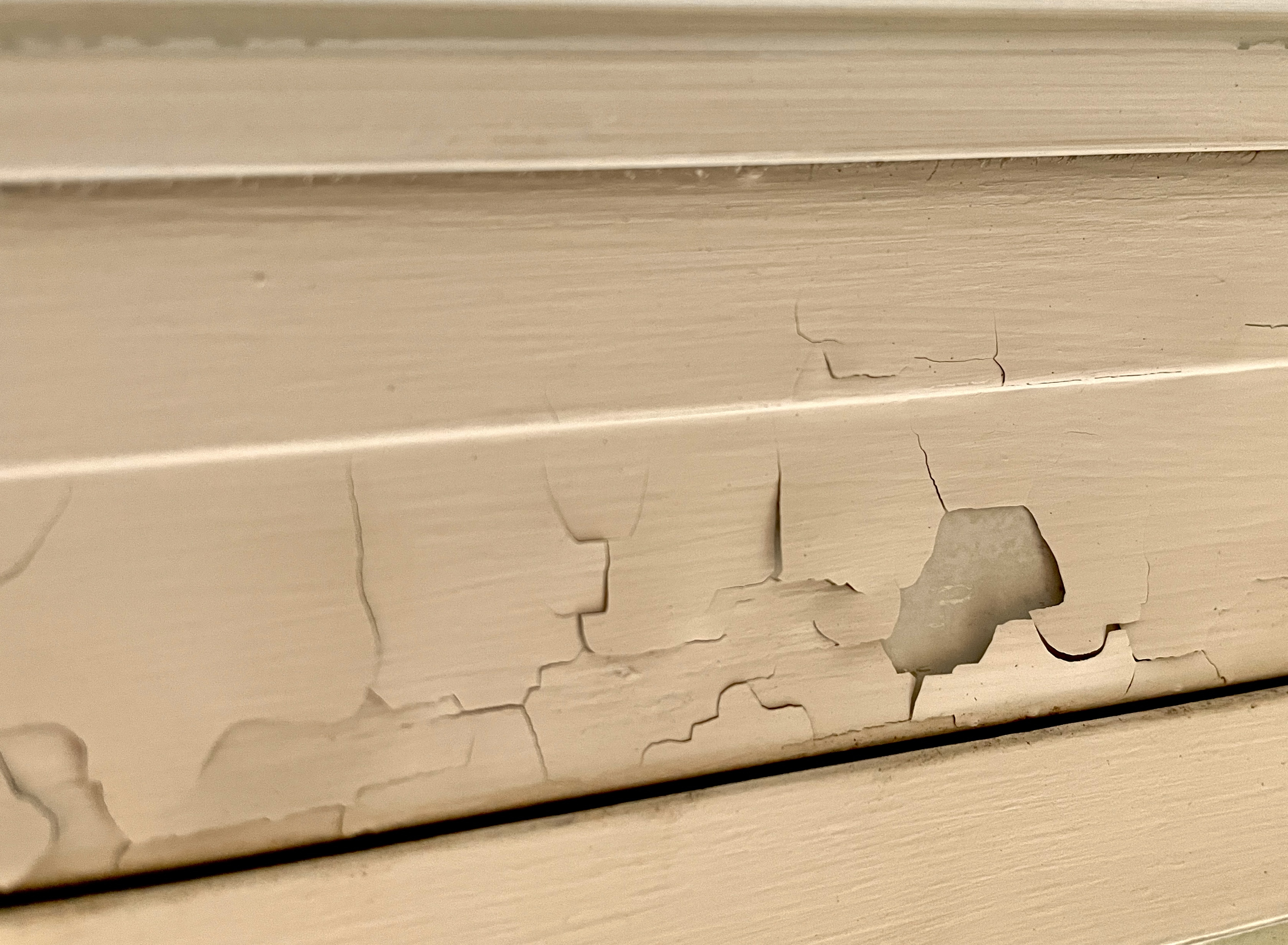
You do not have to remove lead paint if the surface is not chipping or peeling or if there are no pregnant people or children under the age of six who live in or regularly visit your home. Lead paint is a particular risk for young children whose brains and bodies are not fully developed. Experts strongly recommend that you call a pro to remove lead paint if it’s peeling or flaking, no matter who lives in the home. You can experience lead poisoning by breathing in or ingesting just a small amount of it.
Costs depend on the number of samples, testing method, lab fees, and whether on-site inspections are required.
Lead removal is crucial in older homes to eliminate risks of lead poisoning, which can severely affect health, particularly in children, by impacting development and cognitive functions.
If your house was built before 1978 and you’re noticing cracking or peeling paint, a lead paint inspection is a good idea. A lead paint inspection gives you accurate information about the presence, location, and condition of lead-based paint in your home. This information is essential for making informed decisions about lead paint removal to ensure your safety and health and that of your family. If your inspector finds lead, you’ll need to take steps to manage or remove the lead-based paint and comply with laws and regulations.
A lead paint inspection is a thorough examination and assessment of a building or structure to determine the presence of lead-based paint. Lead-based paint was commonly used in buildings before 1978 when its health hazards were fully understood. Lead is toxic and can pose health risks, particularly to young children and pregnant women. Getting a lead paint inspection means finding a lead paint inspector to examine the surfaces of the building—such as walls, ceilings, doors, windows, and other painted areas—and identify the presence of lead-based paint.
The Richland County, MT homeowners’ guide to lead testing and removal services
From average costs to expert advice, get all the answers you need to get your job done.
Get expert insights on lead paint inspection costs, including key cost factors and ways to save. Learn what affects your estimate and how to budget effectively.
Learn how to hire a qualified lead testing professional for your home. Find certified inspectors, understand costs, and protect your family from lead hazards.