Ernz Painting is dedicated to providing our customers with the best quality and craftsmanship. We are here to build relationships with our customers and communities. No job is too big or too small! We look forward to working with you!
If you dream it, we can build it. What's the biggest difference between us and them? We build to last! We offer a full line of Green and Energy Star Certified products, backed by our labor and manufacturer's lifetime transferable warranties. Credit Cards Welcome Financing Available OAC.
Yes, many repair services include repainting to match the color of the existing siding or walls. Most professionals offer this service to ensure the repaired area blends in seamlessly.
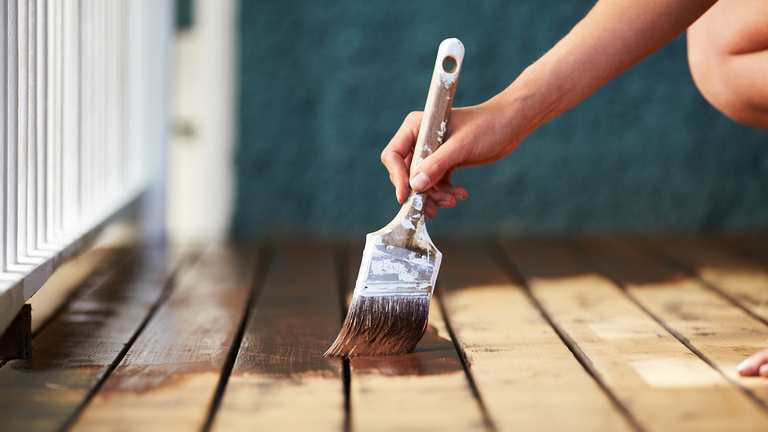
Two coats of stain are ideal for the best protection and aesthetic appeal. However, if your decking is made of particularly dense hardwood, you may only need one coat. If you want an intense color, two coats are ideal.
Ideally, it's best to stain your dock once per year. Applying stain doesn't just keep it looking nice and new; it also helps extend the dock’s lifespan. Since you want to ensure water levels are at their lowest, it's best to have this project done by a professional dock repair service in the cooler autumn or early winter months.
Constant exposure to inclement weather conditions can damage your deck, causing it to fade, warp, or crack over time. Regular maintenance keeps it looking and performing its best. That means giving it a good cleaning and applying a quality sealant or wood treatment to help defend against moisture, sun damage, and everyday wear.
Hiring a contractor or professional deck refinisher is the best way to ensure your deck is properly stained. They have the expertise, tools, and supplies to do the job quickly and efficiently. However, staining a deck is a manageable task for most homeowners, and doing the job yourself can save money. Just keep in mind that DIY staining is a long process requiring physical strain, so it may not be the best option for everyone.
The Richland County, MT homeowners’ guide to deck staining services
From average costs to expert advice, get all the answers you need to get your job done.
The best time to stain a deck is when it’s dry but not too sunny. How often you restain a deck depends on climate and wood type, but every two to three years is normal.