



Top-rated paving pros.

Best paving pros near Missoula, MT

Enter your zip and get matched with up to 5 pros

Need a pro for your paving service project in Missoula, MT?

Select your specific project to find the pro for you.

TRUSTED BY MISSOULA, MT HOMEOWNERS

  • Average homeowner rating star icon5
    Average homeowner rating
  • Verified reviews icon12
    Verified paving services reviews

Top-Rated Paving pros in Missoula - Updated Nov 2026

Avatar for White's Civil Contracting, LLC
White's Civil Contracting, LLC
5.0(
1
)
Asphalt Paving - InstallAsphalt Paving - Install- For Business

Serving Missoula, MT and surrounding areas

In business since 2017

Free estimates

Credit card accepted

"He did emergency weekend work for us on a building with a clogged sewer. He fully excavated and ran sewer water in a spec house we built. He was timely, professional and saved us money. T would definitely use him again and have recommended them to others!"
Response time9 hrs
Recommended by100%of homeowners
Avatar for Woodside Excavation, LLC
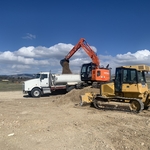
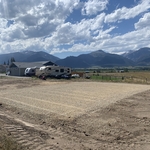
Woodside Excavation, LLC
5.0(
2
)
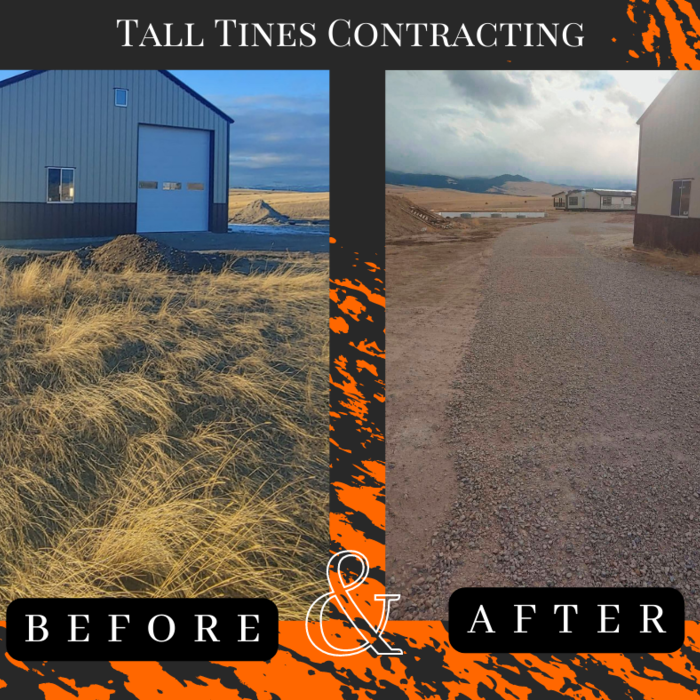
Gravel or Loose Fill Paving - Install, Spread or Scrape

Serving Missoula, MT and surrounding areas

In business since 2022

Free estimates

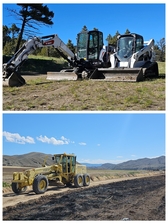
We are a small business specializing in residential excavation services. From house foundation digs and building site prep to laser-graded building pads and driveway grading, we are committed to quality on every job.

Woodside Excavation, LLC

+6

Recommended by100%of homeowners
Showing 1-10 of 18
Paving Services FAQs, answered by experts

The stones do not work well on uneven ground. If the stones are not buried into the ground and made level upon installation, they almost certainly will shift or crack on uneven ground. Additionally, rainwater or water from sprinklers can run under the edge of an uneven paver, causing erosion. In a freeze and thaw cycle, trapped water under the paver can cause the problem to worsen by shifting the stepping stones around. Use a bubble level to make sure the ground under each paver is as even as possible, even if the nearby ground is uneven.
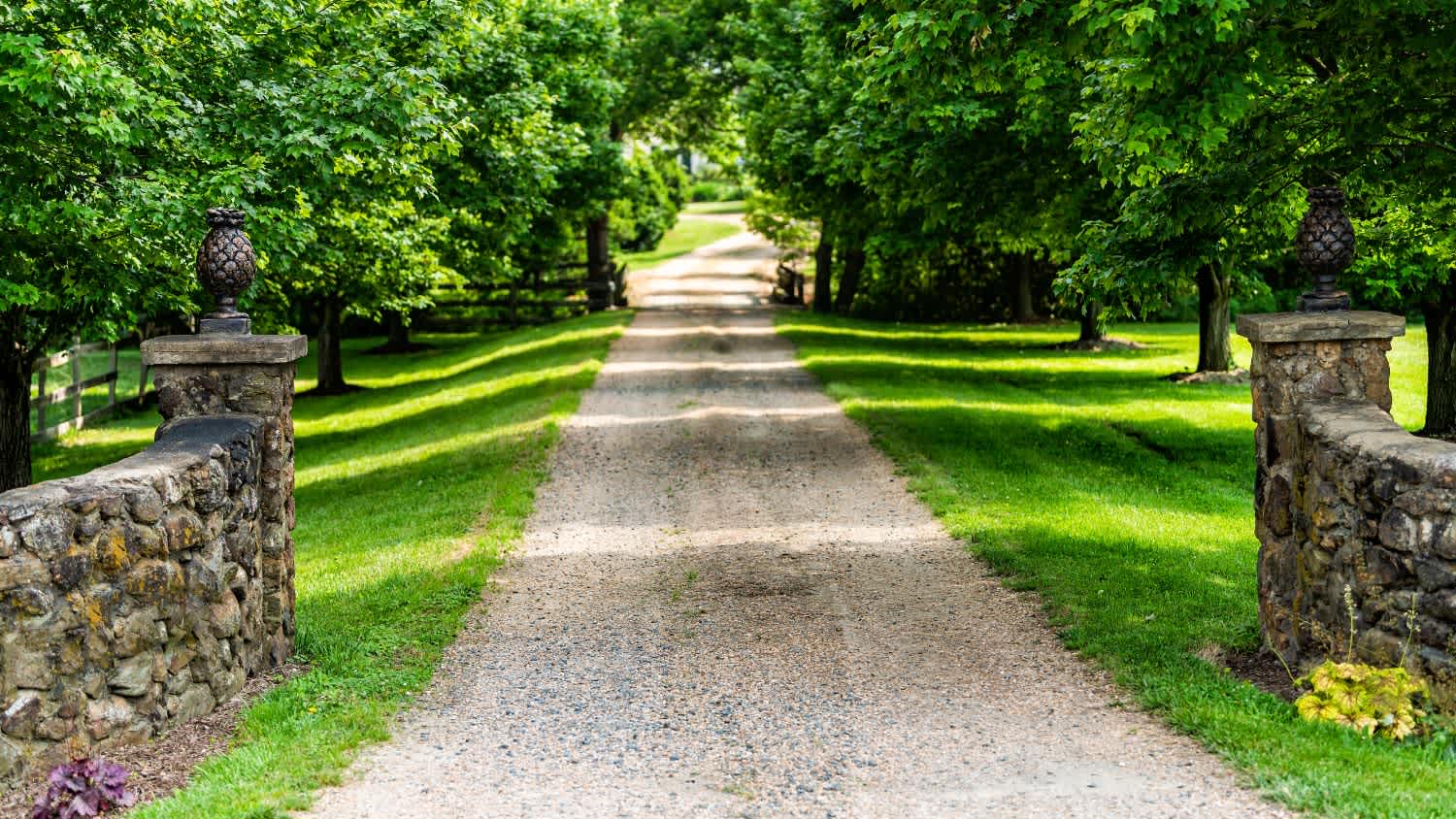
There’s no single best asphalt grade—it all comes down to where and how it’s used. Highways and heavy-traffic roads need something tough, like polymer-modified asphalt (PMA) or Stone Matrix Asphalt (SMA). Local roads and parking lots rely on the Performance Graded (PG) system, chosen based on climate. A PG 64-28 mix, for example, handles a broad temperature range while simpler, more cost-effective mixes are typically enough for residential driveways. The best grade of asphalt depends on traffic, weather, and your budget, which is why a professional’s input is always a smart move before making a decision.

Maintaining a driveway depends on its material. For concrete and asphalt, it's best to clean the surface thoroughly twice a year with a stiff broom and a pressure washer to remove accumulated dirt and debris. Sealing the driveway is crucial to protect it from water damage and freeze-thaw cycles. Before applying a sealant, pressure wash the surface to remove any loose sealant, dirt, or stains, as sealing over them will trap them. Any cracks or expansion joints should be filled with a flexible polyurethane caulk or asphalt sealer. In colder climates, use sand instead of salt for de-icing. Sand helps melt snow and ice without accelerating the freeze-thaw process, which can cause cracks.

While water-related pressure caused by poor drainage is one common cause of paver cracking, other factors can include ground movement beneath pavers, heavy loads and wear and tear over the pavers, and climates with constant freeze-thaw cycles. In general, pavers should be resealed every three to five years to prevent cracking.
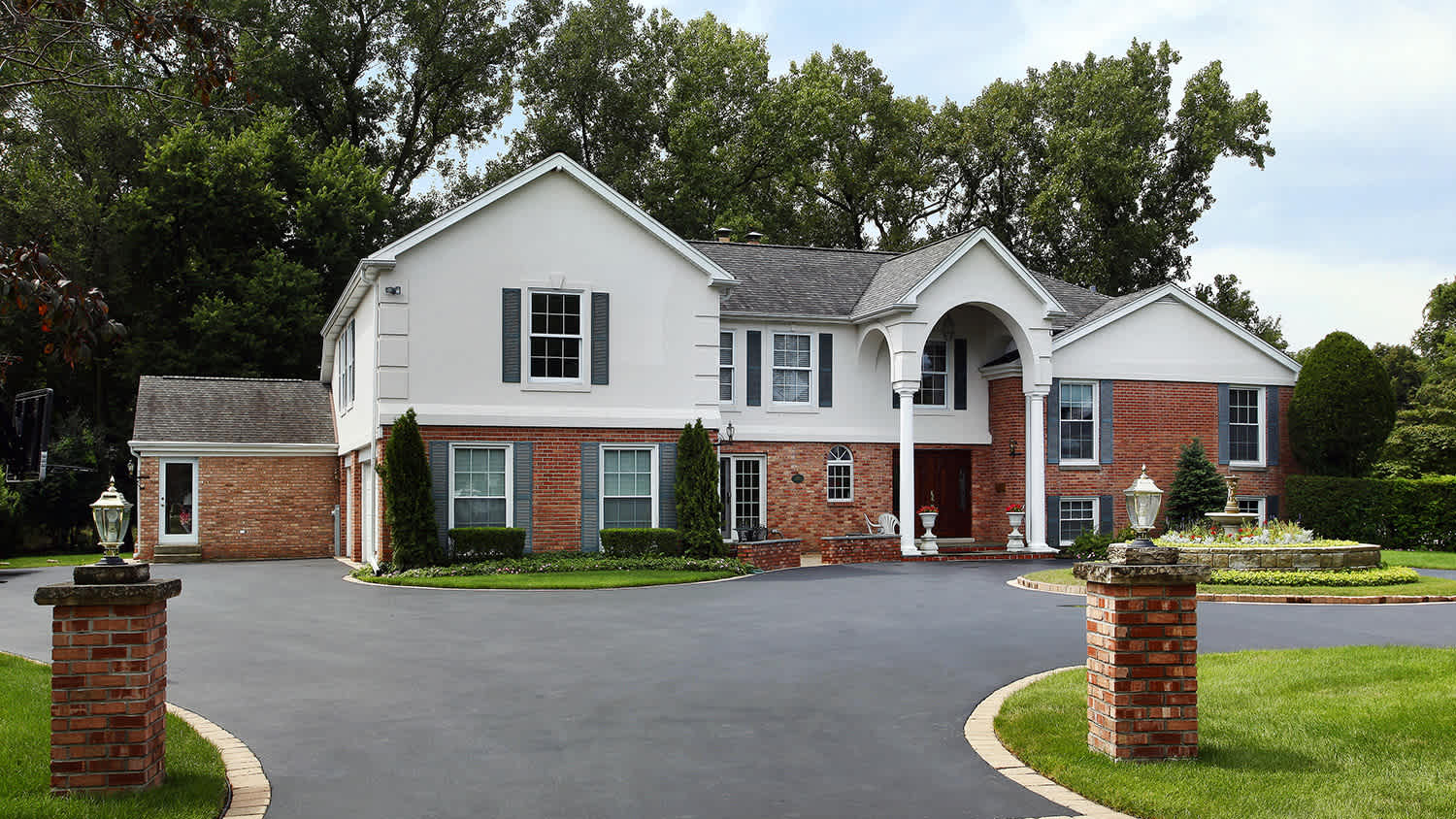

The dimensions of a driveway apron vary based on local building codes, the width of your driveway, and the distance between the driveway and the road. On average, aprons range from 12 to 24 feet wide and 8 to 18 feet long. Typically, the end of the apron connected to the driveway matches its width—such as 10 to 12 feet for a single-car driveway—while the end at the street flares out to allow cars to turn in and out more easily. In some areas, you may not be responsible for the portion of the apron that extends beyond the sidewalk, but this depends on local laws.

The Missoula, MT homeowners’ guide to paving services

From average costs to expert advice, get all the answers you need to get your job done.