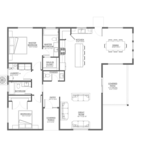
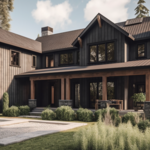
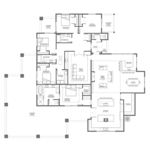
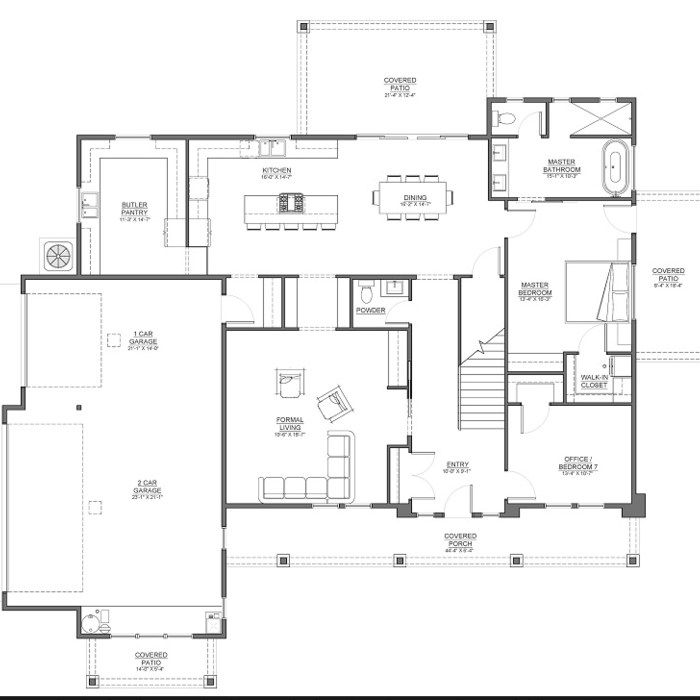
"I am having a full master bath and kitchen remodel done with new layouts in both rooms and knocking out a wall. Evolution worked with me to quickly get a drawing done of the new layouts so that the contractor could get started on the project. They made sure to include me in the process so that the design would be done exactly as my wife and I envisioned. They communicated effectively throughout the process and were always courteous and professional. I recommend them to anyone with drafting needs."
"Jabel and the team at Pinnacle have drawn multiple structures for me. All experiences have been great. A 12,000 sqFT commercial building, a residential cabin, and my current residence. I think you get what you pay for with drafting and these guys will stick with project until it is done."
We have a single mission: Complete Customer Satisfaction! We have consistently focused on the needs of our customers, providing personalized attention and a stress-free experience.\nYou will find us to be competitively priced with close attention to the details.\nOur reputation is based on service, safety, and quality, regardless of how large or small the job.\nWe look forward to building a lasting relationship and guarantee your satisfaction!\n
Terraform Development & Design LLC, delivers expert permit-ready architectural plans and drafting services nationwide. With 8+ years of experience and hundreds of clients across all 50 states, we create code-compliant residential and commercial construction documents that get approved fast and built right.\nFrom site plans, floor plans, elevations, structural & foundation drawings to MEP coordination, full construction sets, 3D renderings, interior design, solar PV layouts, and precise material takeoffs - we handle it all. Fast 4-6 week turnaround, 3 design revisions included, free revisions for city redline changes, transparent pricing (starts at $2,000), and direct partnerships with licensed engineers for stamps in every state.
"I had a fantastic experience working with this drafting firm. From the very first phone call, Kirsten?our drafting consultant? was clear, professional, and incredibly helpful. She explained the entire process in detail and made sure all of my questions were answered up front, which gave me immediate confidence in the team.
This firm partnered with engineers and architects to get the best quote for me on a stamp for my plans after they did an exceptional job on drawing the prints that met all the requirements for permitting. Their coordination and attention to detail made the process very simple on my end.
If you are looking for a highly capable drafting firm that knows how to get things done right, I highly recommend them!"
If you dream it, we can build it. What's the biggest difference between us and them? We build to last! We offer a full line of Green and Energy Star Certified products, backed by our labor and manufacturer's lifetime transferable warranties. Credit Cards Welcome Financing Available OAC.
\nWe are committed to excellence in every aspect of our business. We uphold a standard of integrity bound by fairness, honesty and personal responsibility. Our distinction is the quality of service we bring to our customers. Accurate knowledge of our trade combined with ability is what makes us true professionals. Above all, we are watchful of our customers interests, and make their concerns the basis of our business.\n
Architectural Design build specialist auto-cad drafting with the best up to date software and designs in the industry. We always keep projects on schedule with any design changes in the most professional designs in the industry. work close with homeowners on any design changes from start to finish
We take great pride in our experience, expertise, quality, and customer service that we provide to meet the consumer's needs. It is our mission to provide excellent workmanship and complete customer satisfaction from start to completion of a project. In order to understand the needs and expectations of our customers, we take great care to work and communicate with every customer in a professional manner. Our reputation is based on service, safety, and quality, regardless of how large or small the job.
Structural Engineering questions, answered by experts
Structural engineers typically conduct inspections during a home sale or renovation, looking for signs of structural damage in various structures throughout the building, such as load-bearing walls, joists, beams, roofing trusses, foundations, and chimneys.
Some of the warning signs that structural engineers check for include:
Sagging, shifting, or damaged walls, ceilings, or roofing support
The easiest way to tell if a wall is load bearing is to check if it’s an exterior wall or if it runs perpendicular to the joists above and below it (or parallel to beams). Exterior walls are almost always load-bearing, and walls that run under beams or parallel to them are also usually load-bearing. There are exceptions to these rules, and walls that don’t fit into these categories can still be load-bearing. If you’re unsure, hire a structural engineer to look at your home to assess whether or not the wall is structural.
Most load-bearing walls are exterior, though they can also be interior.
You should pick steel for your new support beam for a few reasons. While steel is more expensive than other materials, such as laminated veneer lumber or glulam, it offers the following benefits:
Fire-resistant
Unaffected by pests
Longer-lasting
Stronger against water damage (when galvanized against rust)
If you intend to do the majority of the work yourself, you can pay to hire an architect or a structural engineer to ensure your home remains structurally sound. They can help with the planning to make sure everything is up to code and safe for your family. On the other hand, if you’re not sure your home will be completely safe when you’ve completed the project, let a pro do the job.
The Harlem, MT homeowners’ guide to structural engineering services
From average costs to expert advice, get all the answers you need to get your job done.
The cost of a structural engineer is easily justifiable given the value they bring to the table. Use this guide to see what hiring your professional will total.
Beam installation costs are an important consideration if you’re building a home or doing renovations. Learn about average costs and factors in this guide.
Spotting deep foundation cracks or sagging floors? Learn about structural engineering costs, serious warning signs, and how to hire the right local pro.
It can be hard to choose the right pro for any job, but it matters. Learn how to hire a structural engineer who'll get the job done right from start to finish.