

Top-rated drywall pros.

Get matched with top drywall pros in Gallatin Gateway, MT

Enter your zip and get matched with up to 5 pros

Need a pro for your drywall service project in Gallatin Gateway, MT?

Select your specific project to find the pro for you.

Find Drywall pros in Gallatin Gateway

...
Showing 1-10 of 60
Drywall questions, answered by experts

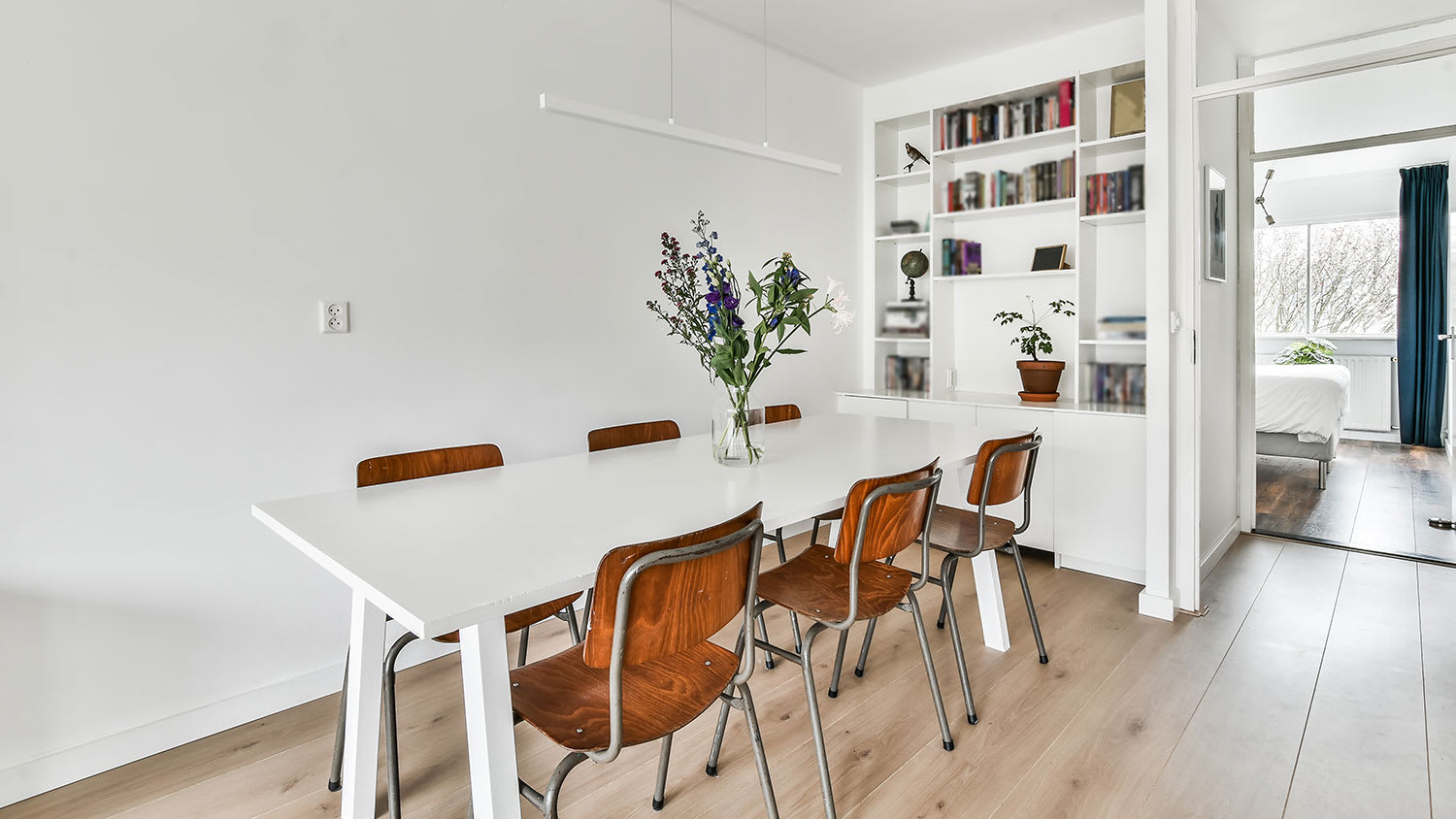
White walls are the toughest color to keep clean and maintain, as they’re extremely unforgiving when it comes to dirt, splatters, dust, and smudges. Still, many people look past their high-maintenance requirements because they lighten and modernize a space beautifully. If you’re opting for white walls, it’s especially important to keep up with regular cleanings, so they stay pristine.

When doing a DIY paint job, it can be tricky to achieve the perfect, straight line between your wall and ceiling. There are several methods, including lining it with painter’s tape and using the “cut in” brush tactic. Some homeowners choose to apply a thin line of caulk to the wall-ceiling seam to create the appearance of a perfect line.

When used correctly, drywall patch kits can work well. However, there are limitations. Specifically, these kits can only cover holes up to 5 inches in diameter. For anything larger than that, you’ll need to cut out the affected section of drywall and replace it with a new piece. That’s a far more complicated process that involves buying the right type of drywall, finding the wall studs, cutting into your wall, and screwing the replacement drywall in place.

A post-drywall inspection could uncover many problems that weren’t present during the pre-drywall inspection, including insufficient insulation, missing weather stripping, improperly installed plumbing and lighting fixtures, flooring damage, drywall damage, plumbing leaks, aesthetic issues, and more. Structural problems, which are often expensive to fix and are common reasons to walk away after a home inspection, are easier to see before the drywall goes up, but a post-drywall inspection may highlight minor issues with house settling and foundation problems.

Although they have similar applications, spackle and joint compound are not the same. Their primary differences lie in their composition, consistency, and ideal use cases.

Spackle is composed of gypsum and binding agents, making it thicker than joint compound. It dries quickly and is easy to sand, which makes it ideal for small wall repair projects like filling nail holes or patching minor damage.

Joint compound, also known as drywall mud, consists of limestone and gypsum. It is primarily used for large-scale projects, such as taping and finishing the seams on newly installed drywall. It tends to shrink more than spackle and can be more difficult to spread.

While both products can be used to fill small depressions and cracks, spackle cannot replace joint compound for taping and mudding new drywall. Conversely, you can often use joint compound for small patching jobs typically done with spackle.

The Gallatin Gateway, MT homeowners’ guide to drywall services

From average costs to expert advice, get all the answers you need to get your job done.