"I only use James when I need some work done to my house. He responds fast, gets the work done quicker than just about anyone else I've ever used and seems very concerned with leaving his customers happy."
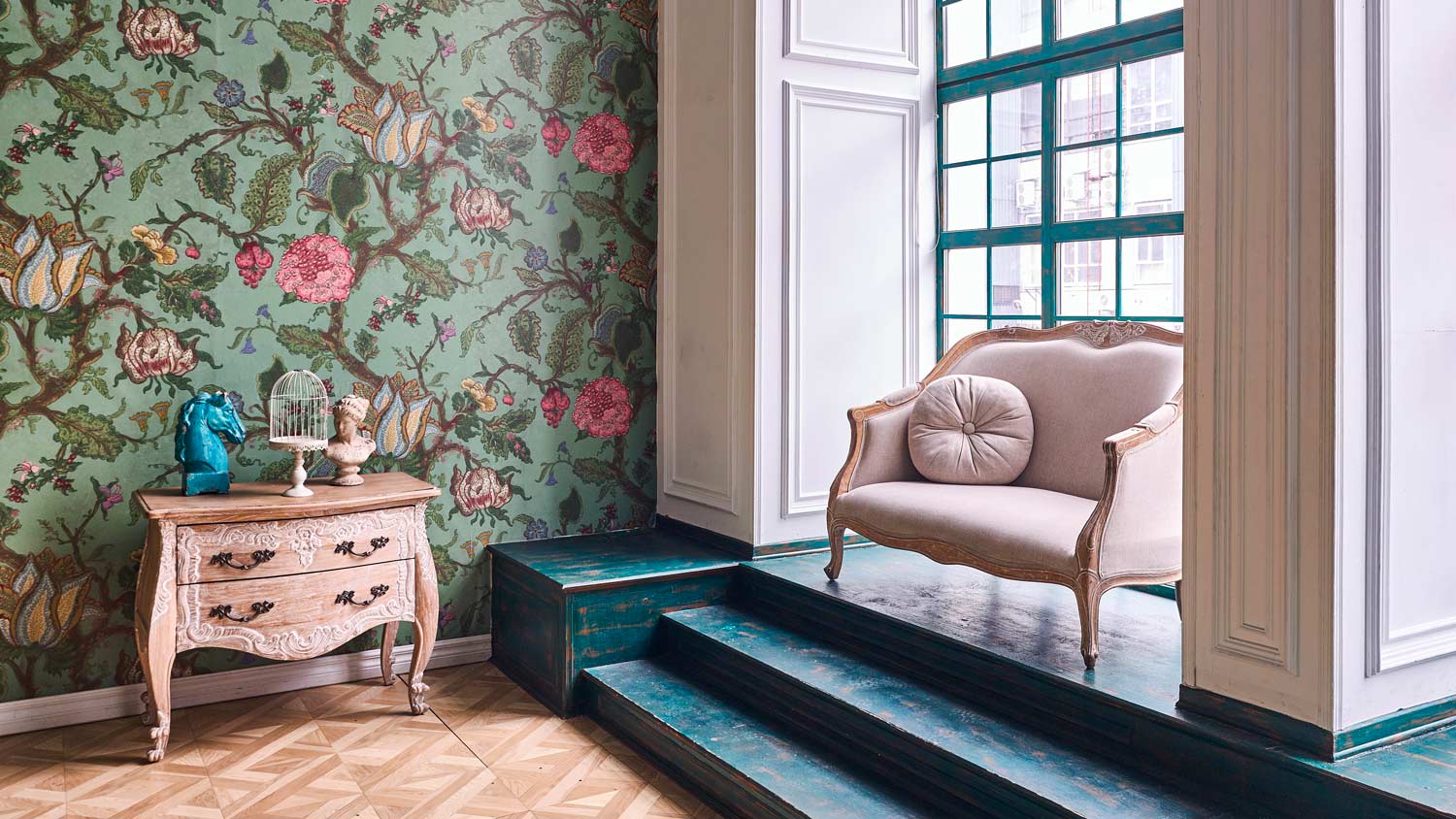
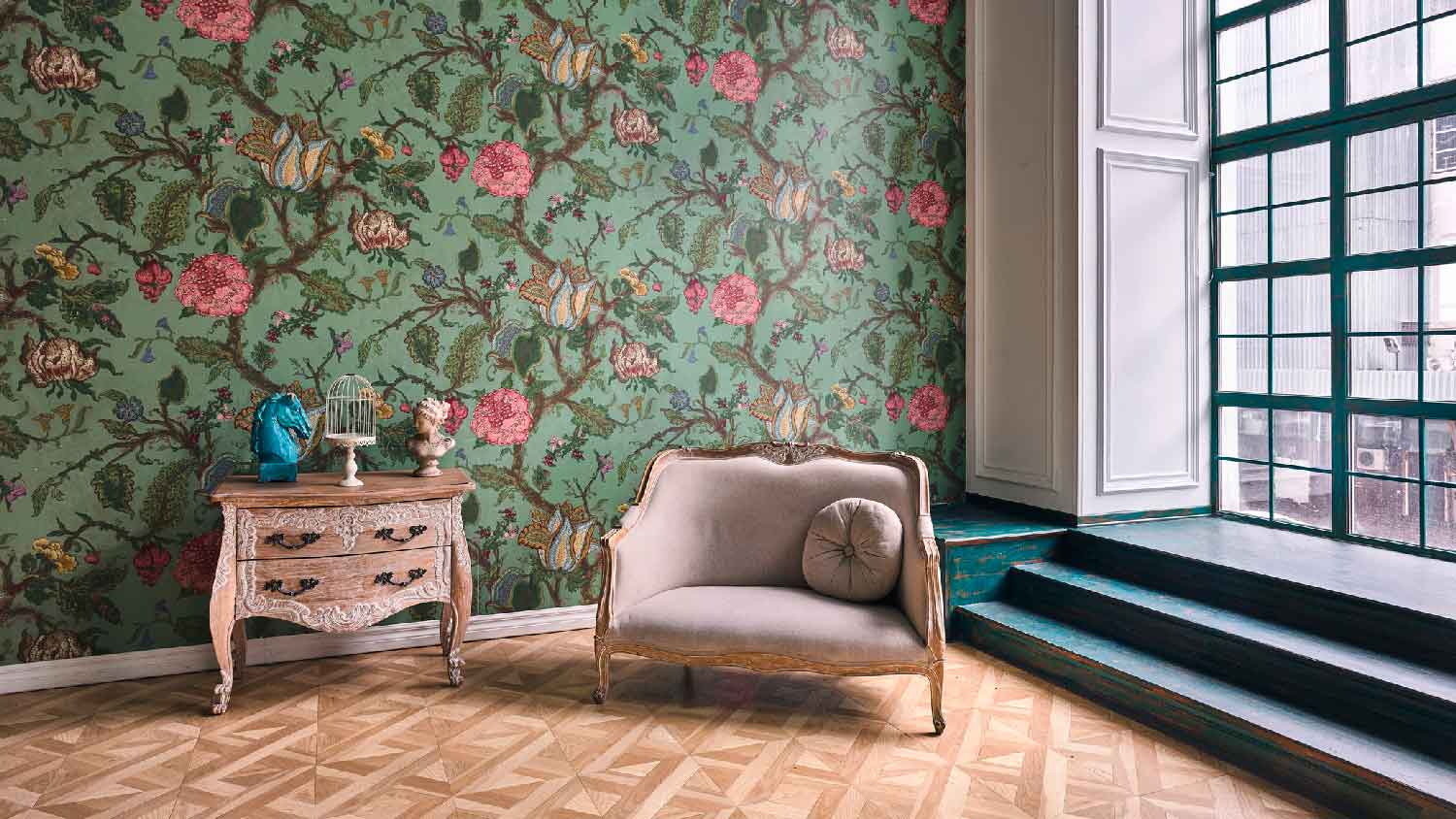
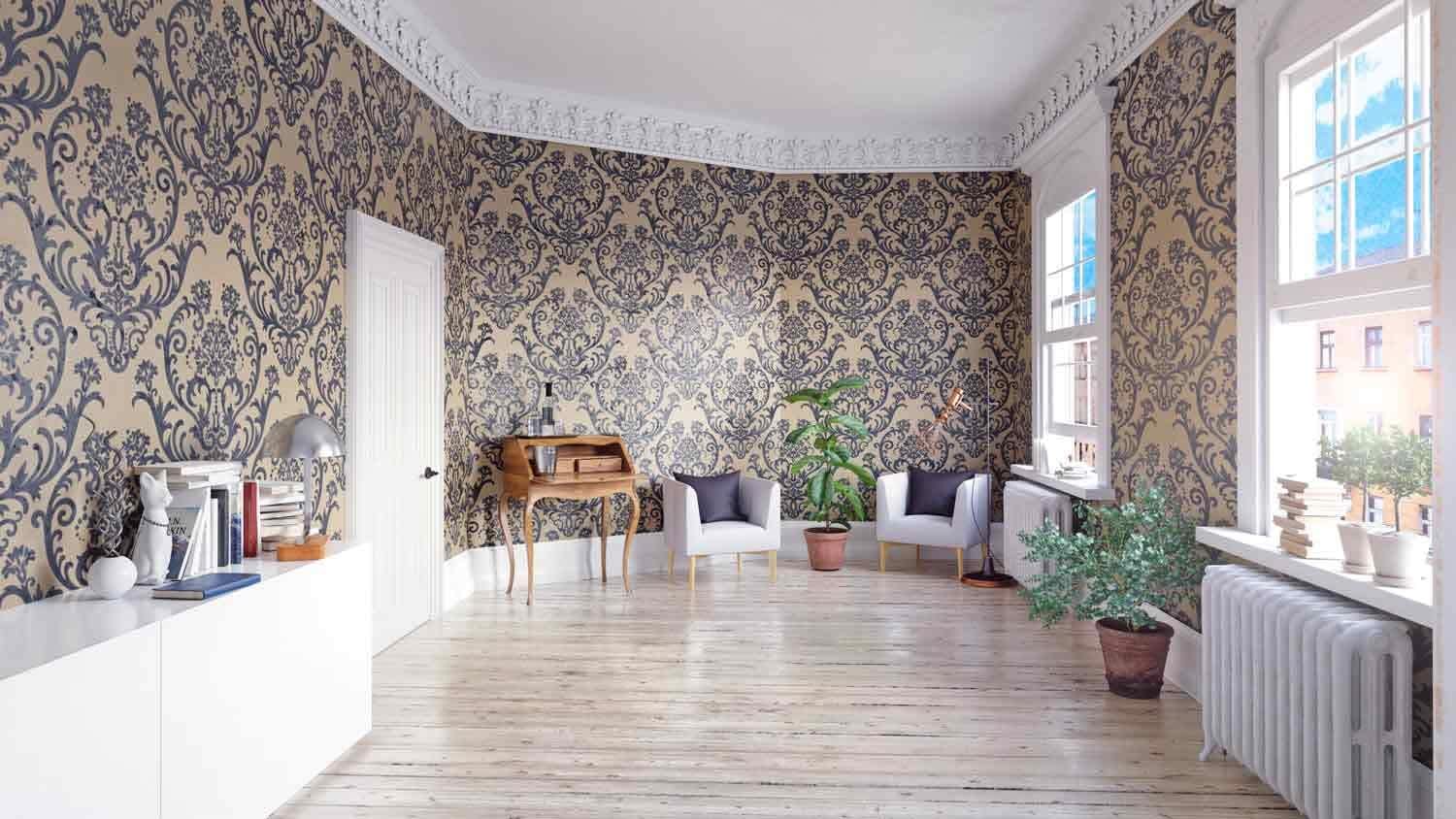
Darker walls may make tight bathrooms appear even smaller, but one dark accent wall can really make a bathroom pop. Wallpaper with a dark background can add intrigue and sophistication. Still, if you’re looking to open the room up and give it a modern, airy feeling, light colors may work best for your needs. Although there are some popular and unpopular opinions, there’s really no “should” when it comes to personal design choice.
Many types of wallpaper exist, from removable peel-and-stick options to more permanent options that involve pasting. You can also find wallpaper that you can paint over, wallpaper with a texture, and wallpaper made from various materials, such as vinyl. Some types of wallpaper are washable, which can be a great option for kitchens or if your household has small children.
Hiring a professional wallpaper hanger is usually a worthwhile idea because, while the application of wallpaper itself is easy, getting the finished product to look good is complicated and takes a lot of practice and patience. A professional wallpaper hanger will not only be able to hang your wallpaper seamlessly, but they will also get an even application of wallpaper paste to avoid bubbling and imperfections immediately and over time. Plus, they can provide their professional opinion on whether to remove or wallpaper over an existing layer of wallpaper.
The average cost to install or hang wallpaper is around $575 per room or project, with typical prices ranging from $200 to $1,500. Costs can be higher for custom or luxury products. Since project size varies, it's often helpful to estimate labor costs per square foot, which generally fall between $1 and $7, with an average of $4 per square foot. The total cost depends on several factors, including the quality and type of wallpaper, the size and type of the room, and whether old wallpaper must be removed first. Opting for less expensive materials like peel-and-stick wallpaper or choosing to do the installation yourself can lower the overall cost. For the most accurate estimate, it is best to have a professional inspect the space and provide a quote.
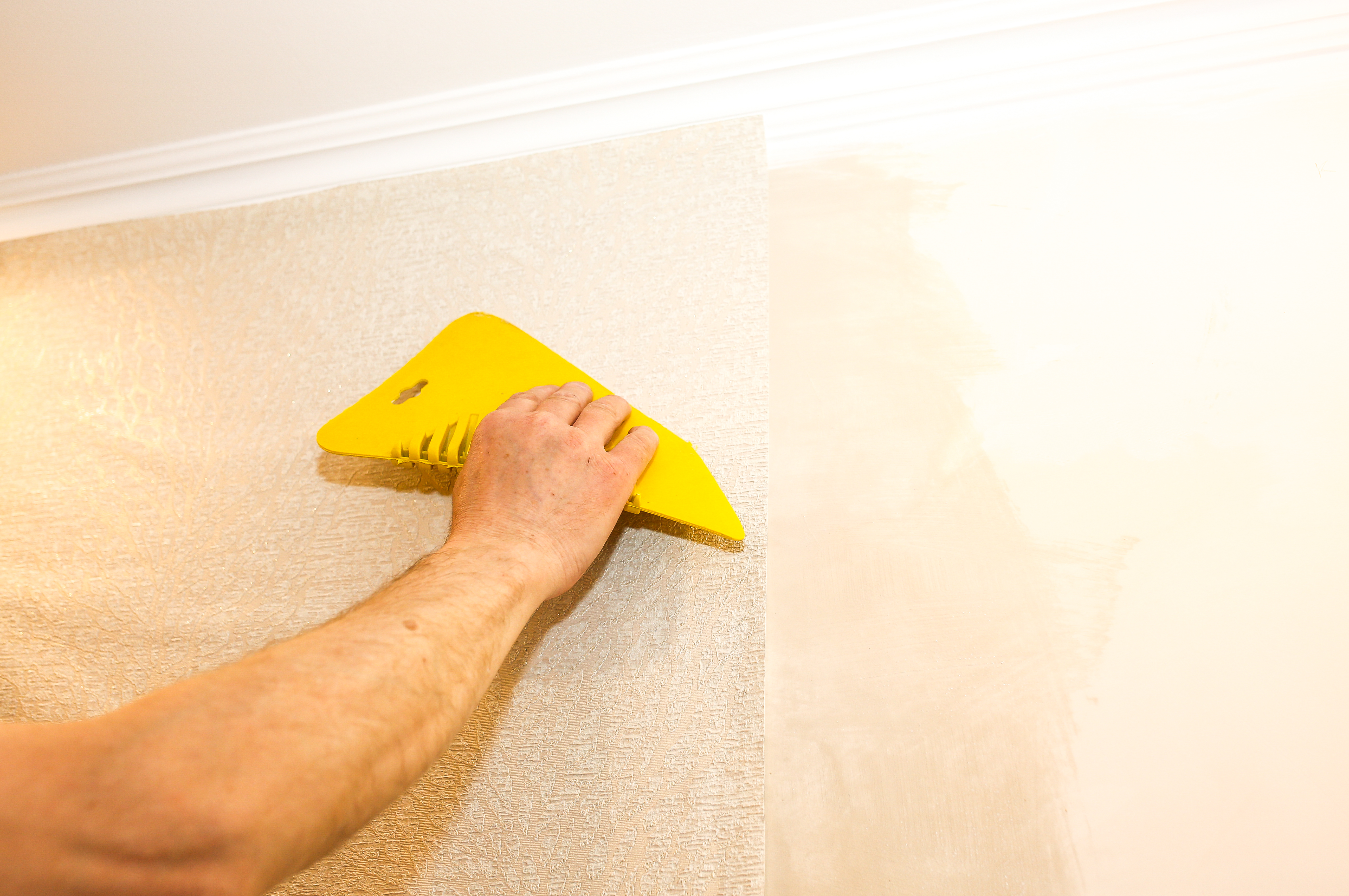
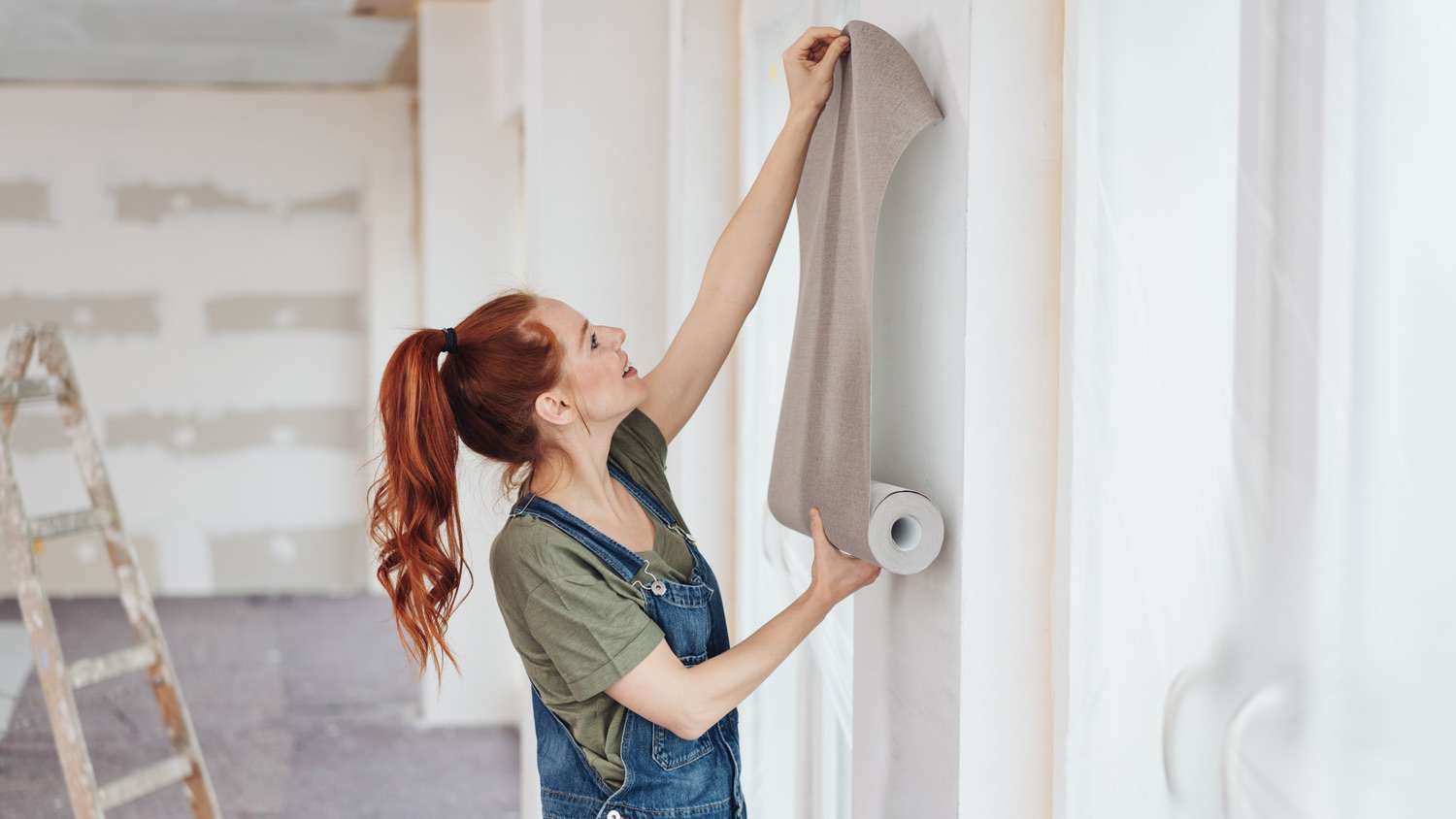
It’s possible to hang your own wallpaper, but the process is tedious and potentially frustrating, and it can be challenging to get seams to line up and look clean and professional. Plus, depending on the type of wallpaper you’re installing, using too much or too little adhesive could cause damage to your drywall or plaster, peeling, and bubbling in the final product. It’s usually a better idea to hire a professional wallpaper installer to do the work for you, as the relatively low cost is justifiable, if only to avoid damage to your walls.
The Frazer, MT homeowners’ guide to wallpaper services
From average costs to expert advice, get all the answers you need to get your job done.
Discover wallpaper installation cost. Learn about material, labor, and project factors to estimate your budget and make informed choices for your home.
Whether you can put wallpaper over wallpaper depends on the type of paper you’re using and the condition of the existing surface. Learn more with this guide.