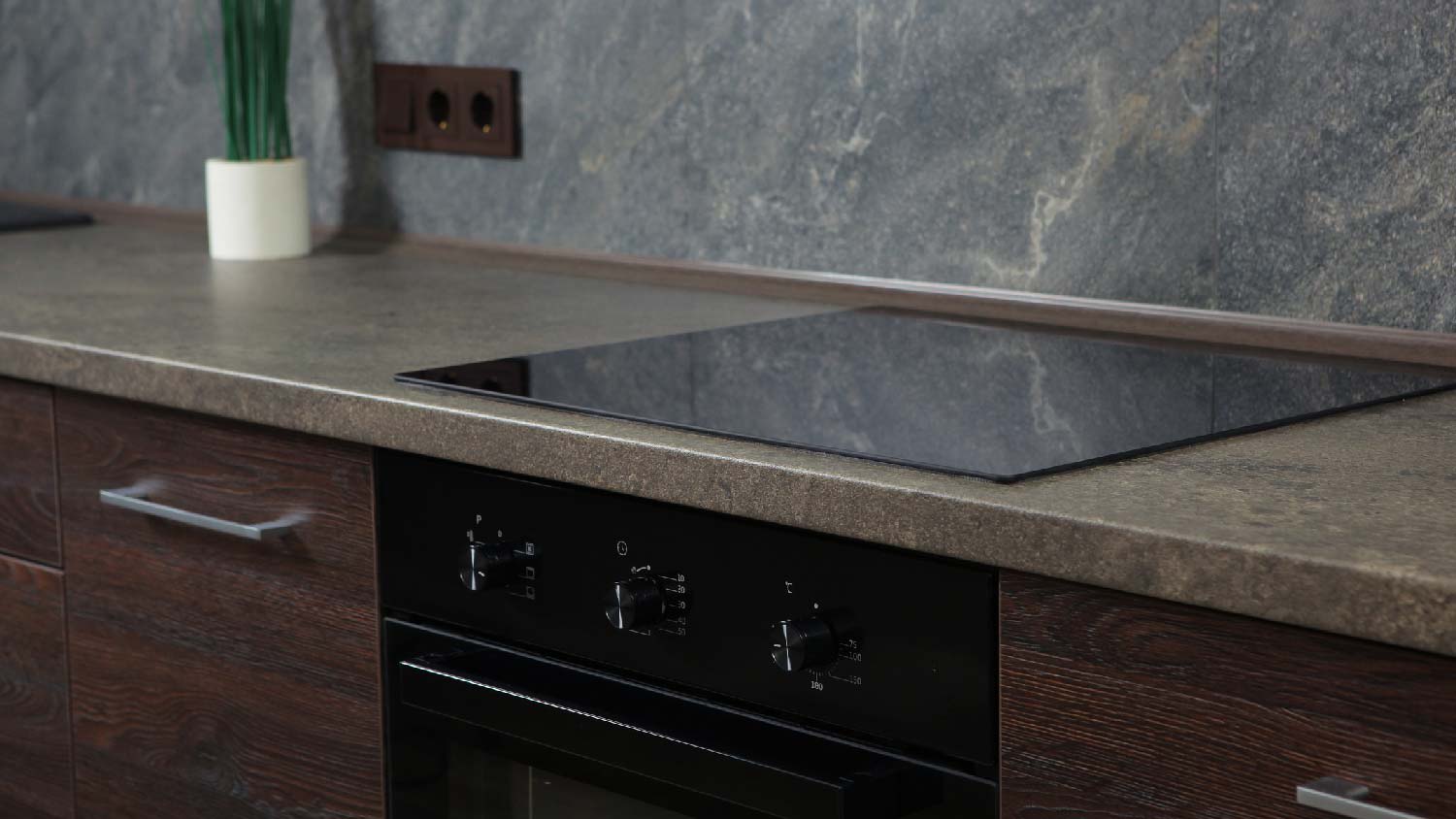
Chuck's Cabinets and Construction has been in business since 1995. We can handle all of your cabinet and countertop needs. We also can to full additions as well as remodels. We take pride in each and every project that we handle. You as the customer are included in each and every step. We understand how important your home is to you so we perform the work as if it was our own home. All of our employees are reputable and nothing but the best customer service is given. Please call us today so that we can set up an appointment for you. We look forward to talking to you.
Buffing is a less expensive and less time-consuming alternative to other floor repair techniques, but it’s only ideal for removing surface-level scratches and damages. Floor-buffing machines work to gently smooth out the floor’s top layer rather than removing it the way that sanding does.
This process is ideal for gently worn floors, but it won’t have the desired impact on floors with severe damage. On the other hand, sanding fully strips the floor’s top layer so damages beneath the surface are accessible to remove or repair. Since the process is more involved, it requires more time, tools, and experience to achieve the best possible results.
Yes, you can repair a stone countertop yourself for minor issues like small chips or scratches, and DIY repair kits are available for this purpose. However, for larger problems such as major cracks or significant stains, DIY repairs may not be effective. In these cases, professional services are recommended to ensure a seamless finish, prevent further damage, and use the proper materials and techniques for a full restoration.
How long it takes to complete stone restoration work will vary from home to home and project to project. Overall, a professional can complete a one-room project in one to two days. When vetting your local contractors, be sure to ask them how long they think the project will take to factor in any that could speed up or prolong the completion of the project.
Yes, you can use a dremel tool to cut plexiglass. Follow the instructions under “How to Cut Plexiglass with a Saw,” and use a dremel tool with a 561 bit instead of a saw.
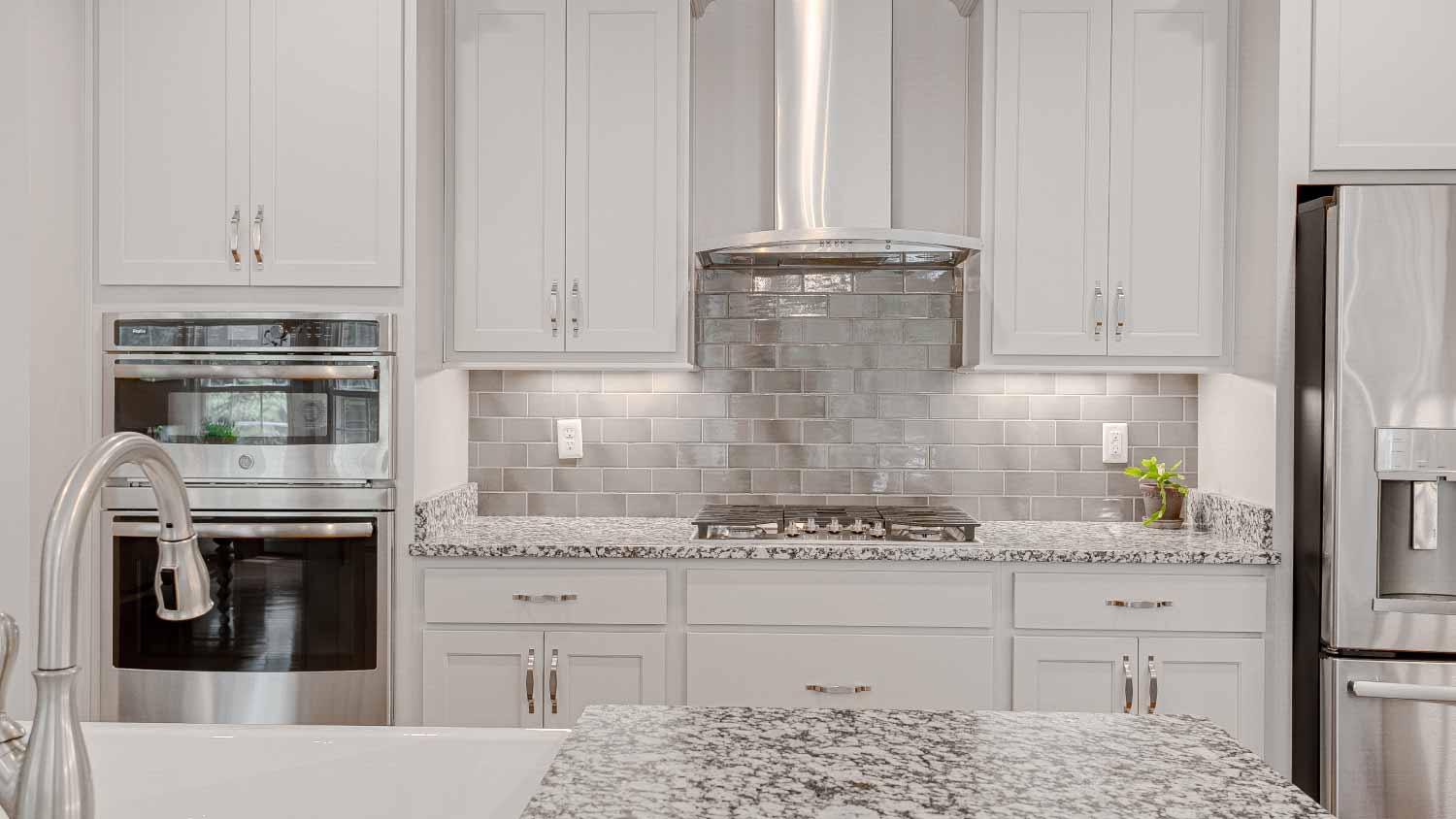
The frequency for sealing granite countertops depends on several factors, including the type of sealant used, the color of the granite, and how heavily the countertops are used. As a general guideline, resealing is often recommended every 12 to 18 months, but some sources suggest it could be as often as every few months or at least once a year.
The type of sealant is a major factor: water-based sealants may need reapplication every six months to a year, while more durable solvent-based sealants can last for five to 10 years. Additionally, factors like heavy kitchen traffic, frequent use of acidic cleaners, and lighter granite colors may require more frequent sealing to prevent staining.
To determine if your countertops need resealing, you can perform a simple water test. Place a few drops of water or a wet paper towel on an inconspicuous area of the granite. After 10 to 15 minutes, check the spot. If the water has beaded up, the seal is still intact. If the water has been absorbed and darkened the stone, it's time to apply a new coat of sealant. You can choose to seal the granite yourself or hire a professional to ensure it's done correctly.
The Frazer, MT homeowners’ guide to granite restoration services
From average costs to expert advice, get all the answers you need to get your job done.
Countertop repair costs may be the deciding factor between replacing or repairing your counter. Let’s break down the cost to repair, resurface, or relaminate.
Granite countertops last 15 to 100 years based on usage and maintenance. Here’s how long your granite countertops will last and ways to increase their lifespan.
Granite countertops need a sealant to prevent staining and other lasting damage. Learn how to seal granite countertops to keep them in great shape for longer.