Chuck's Cabinets and Construction has been in business since 1995. We can handle all of your cabinet and countertop needs. We also can to full additions as well as remodels. We take pride in each and every project that we handle. You as the customer are included in each and every step. We understand how important your home is to you so we perform the work as if it was our own home. All of our employees are reputable and nothing but the best customer service is given. Please call us today so that we can set up an appointment for you. We look forward to talking to you.
Granite Restoration questions, answered by experts
If you notice dull spots on your marble floor, that could result from etching. If you’ve used the wrong type of floor cleaner in the past or left a spill unattended for too long, your marble floor may have suffered some surface damage. While there are ways to protect your natural stone from etching, you may have to call in a professional for repairs.
Common causes include impact, heat, and improper cleaning agents. Regular maintenance prevents major issues.
Professionals remove scratches, stains, and etching, restoring the stone’s natural shine and extending its lifespan.
The cost to polish floors averages around $200per room, but you could pay anywhere from $100 to $300. Some factors that influence the total cost of floor polishing include the following:
Square footage of flooring
Type of floor
Whether you need floor repairs done beforehand
Whether or not you want professional floor cleaning done beforehand
Since square footage is the most significant cost factor, you might get a more accurate estimate by using the average cost per square foot for floor polishing, which is between $1.00 and $2.50.
There are a few ways to remove calcium buildup in your pipes, but the most natural option involves vinegar, baking soda, and boiling water. To use this method, pour 1/2 cup of vinegar down the drain you're trying to clear, then follow it up with 1/2 cup of baking soda. Place a rag over the drain to create a light seal and leave it for 30 minutes. Remove the rag, then pour a pot of boiling water into the drain. After the water drains, wipe everything down with a sponge.
The Circle, MT homeowners’ guide to granite restoration services
From average costs to expert advice, get all the answers you need to get your job done.
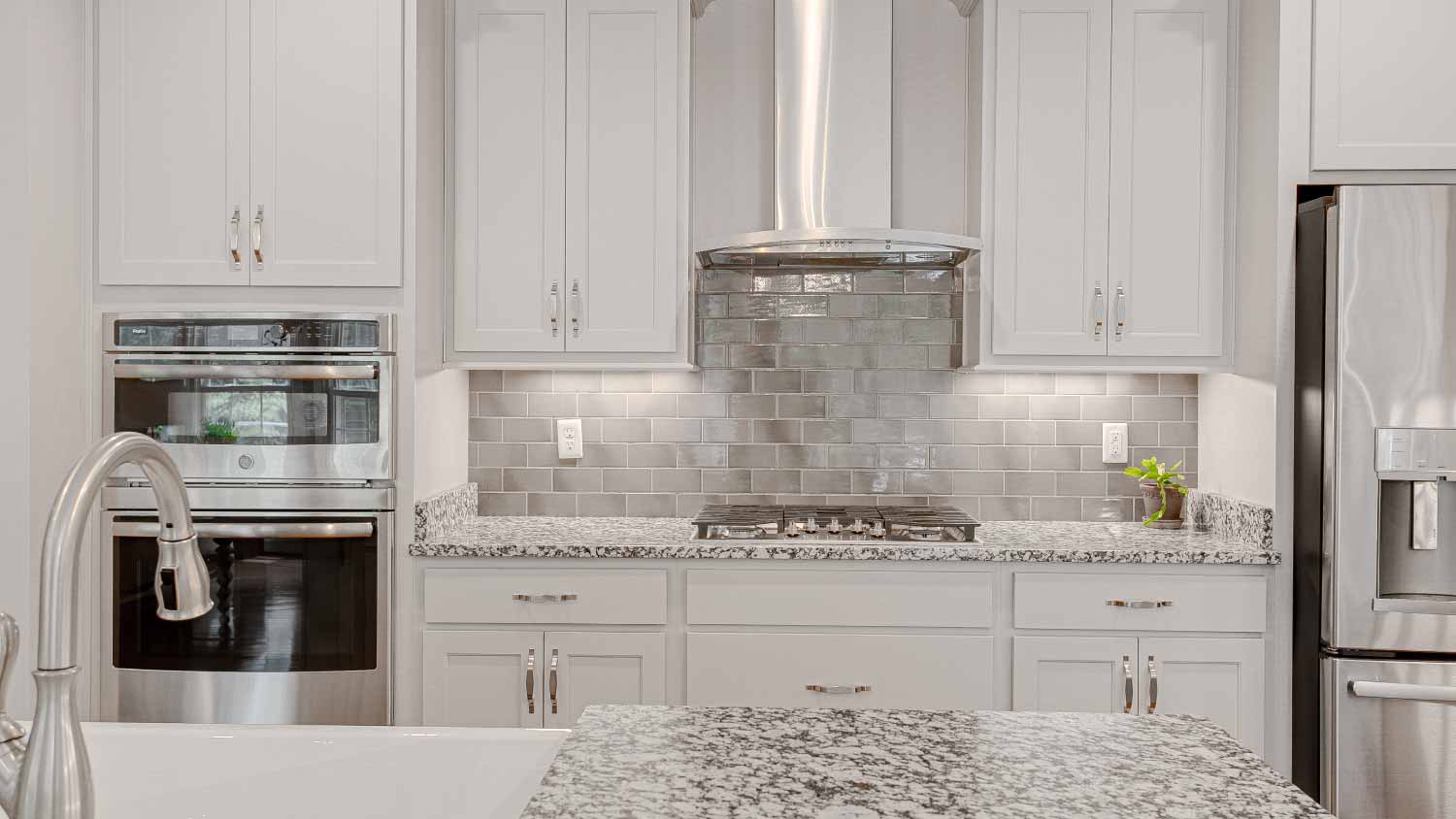
Granite countertops last 15 to 100 years based on usage and maintenance. Here’s how long your granite countertops will last and ways to increase their lifespan.