If you dream it, we can build it. What's the biggest difference between us and them? We build to last! We offer a full line of Green and Energy Star Certified products, backed by our labor and manufacturer's lifetime transferable warranties. Credit Cards Welcome Financing Available OAC.
The best times of year to empty or pump a septic tank are spring and fall. Many professionals recommend spring because the ground has thawed, making the tank easier to access and the waste less likely to be frozen. Pumping before summer also helps avoid conflicts with vacations or outdoor gatherings. Fall is another great option, as contractors may be less busy, and servicing the tank can reduce the risk of overflow from winter and spring precipitation. While summer is also a suitable time, winter is generally not recommended due to frozen ground.
Some flushable wipes companies say they are designed to disintegrate within a few hours to a few days after being flushed. These wipes allegedly use materials that are more water-soluble than traditional wipes. However, many experts have raised concerns that even so-called "flushable" wipes do not break down as easily as claimed and can contribute to clogs and blockages in sewer systems.
To prevent plumbing and sewer problems, avoid flushing wipes, even those labeled as flushable. Instead, dispose of them in the trash. This can help prevent costly plumbing issues and reduce the strain on wastewater treatment systems.
Cesspools do not have an outlet or discharge area, so they must be emptied regularly. A professional cesspool cleaning company should come at least every six weeks and empty the contents. If it’s not emptied, it can begin to overflow sewage waste onto your property.
The easiest thing you can do to prolong the life of your septic system is to adopt septic-safe practices. This includes not flushing non-biodegradable items, chemicals, or excessive grease down drains and scheduling regular septic tank pumping to prevent buildup. It’s also important to fix plumbing leaks promptly and to practice water conservation to avoid overloading the system. To maintain your drain field, avoid heavy vehicle traffic and plant shallow-rooted vegetation in the area. Most importantly, invest in routine inspections and maintenance to detect and address issues early.
While homeowners connected to a municipal sewer line still have to keep up with plumbing maintenance, the downside to a septic system is that all the maintenance falls on the homeowners. Not calling in a pro to pump the tank every few years or accidentally flushing or draining the wrong types of materials can quickly cause clogs, which can back up into drains around the home.
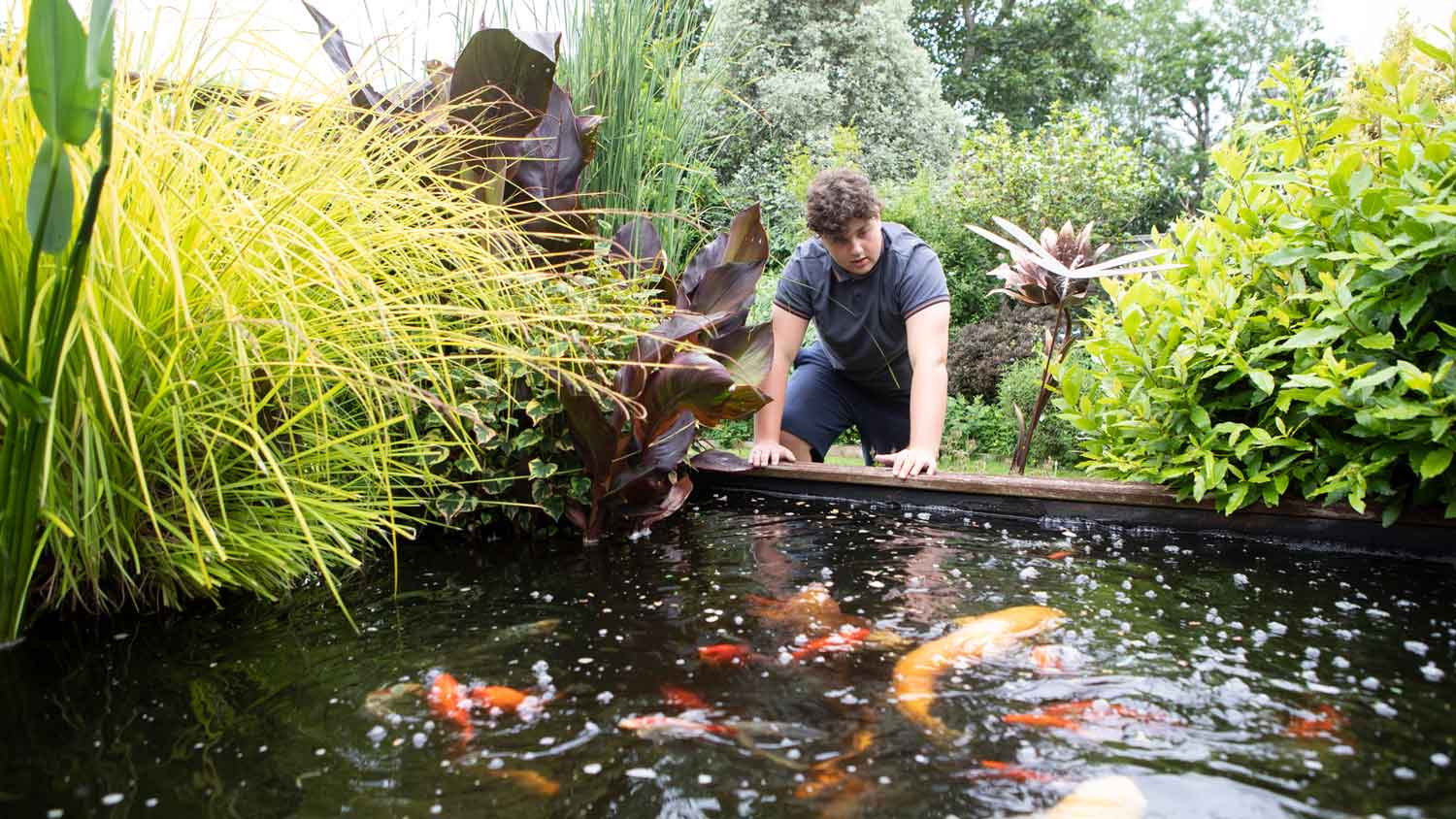
The Conrad, MT homeowners’ guide to aquarium services
From average costs to expert advice, get all the answers you need to get your job done.
Discover mosquito control service cost estimates, including average prices, key cost factors, and tips to save on professional mosquito treatments for your home.
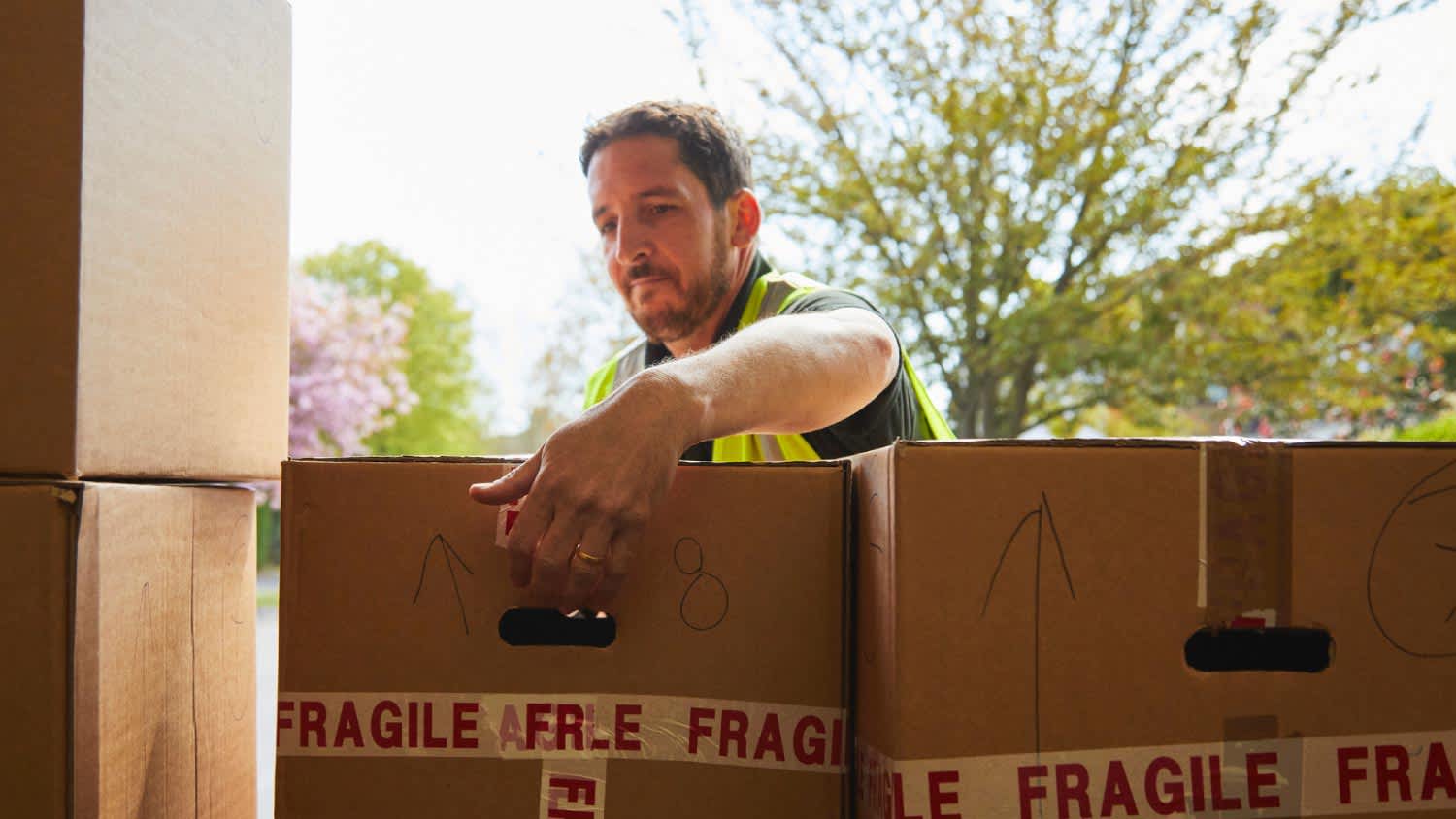
If you’re moving, you need to consider distance, weight, packing, and more. Our guide provides the average cost to move a 3-bedroom house long distance.
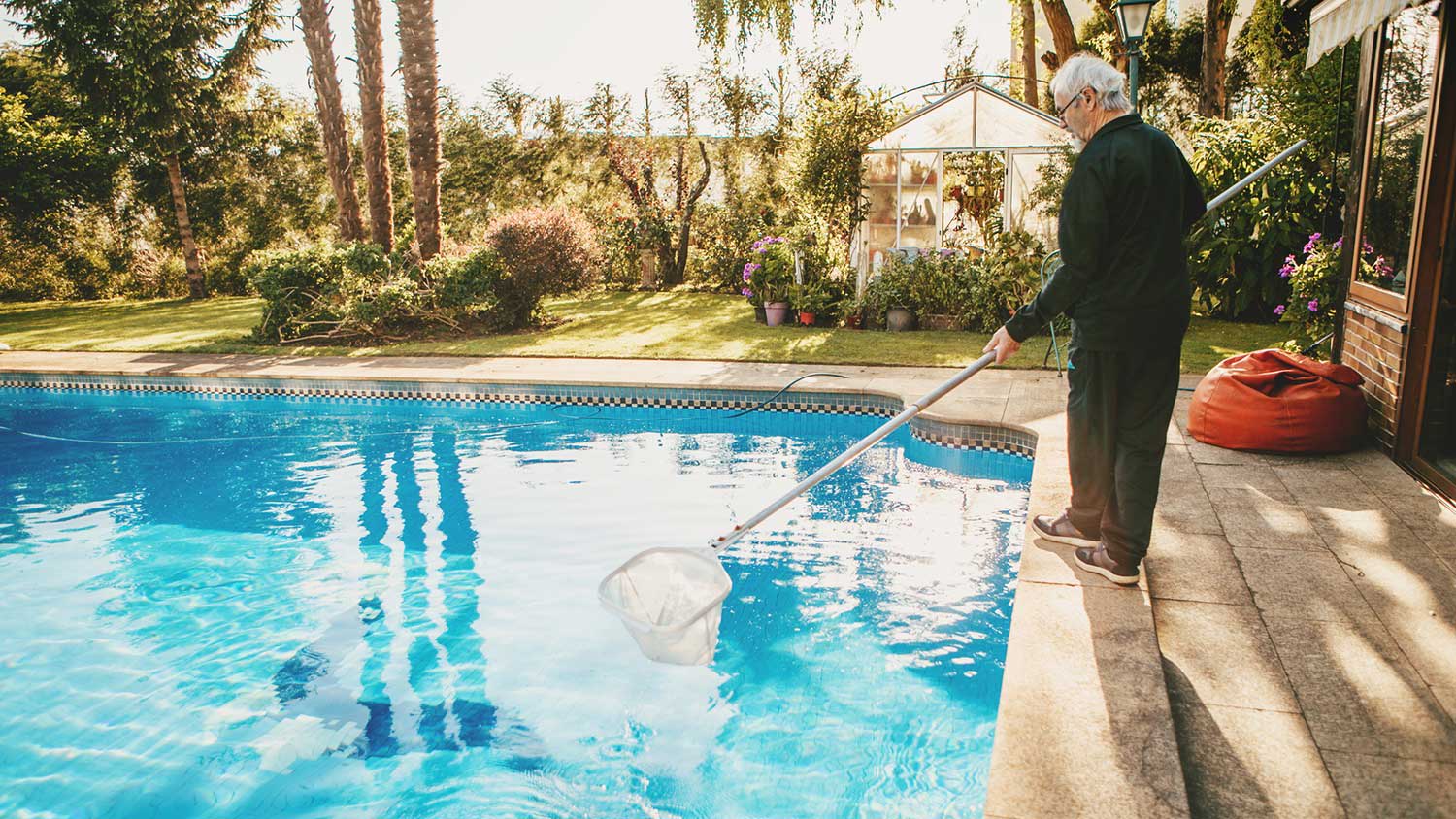
If you live in an area without very cold winters but tempted to close your pool during the cooler months, read on. We dive into the many benefits of winter service.
Learn about home items that are nearly impossible to move without movers, either because they are awkwardly shaped, too heavy, or require special equipment.