


Top-rated lead testing and removal specialists.

Get matched with top lead testing and removal specialists in Colstrip, MT

Enter your zip and get matched with up to 5 pros

Need a pro for your lead testing and removal project in Colstrip, MT?

Select your specific project to find the pro for you.

Find Lead testing and removal specialists in Colstrip

Avatar for TCH Builders & Remodeling
TCH Builders & Remodeling
4.0(
2
)

Serving Colstrip, MT and surrounding areas

In business since 1999

Emergency services offered

Credit card accepted

If you dream it, we can build it. What's the biggest difference between us and them? We build to last! We offer a full line of Green and Energy Star Certified products, backed by our labor and manufacturer's lifetime transferable warranties. Credit Cards Welcome Financing Available OAC.

Recommended by100%of homeowners
Lead Testing and Removal questions, answered by experts

Lead removal services typically cost between $1,000 and $5,000, depending on the extent of lead presence, the property size, and the complexity of the abatement process.

“Testing” can start with your senses: Assessing your water’s appearance, taste, and smell can all be good first steps. The best way to know for sure what’s going on with your water is to use a well water testing kit, which can tell you about the specific levels of bacteria, dissolved solids, and hardness of your water with precision. Have a pro test your well water at least once per year.

Results from professional lead testing are typically available within a few days to a week (2-7 days), depending on factors like laboratory processing times and the volume of samples being analyzed. Expedited services may also be available for urgent situations.

No, you can’t place hazardous waste in a dumpster unless you specifically ordered a dumpster for hazardous waste removal. If the dumpster company finds hazardous waste that it didn’t approve for dumping, the company will return the waste to you, and you’ll likely face a fine for illegal dumping.

According to the Environmental Protection Agency (EPA), hazardous waste is generally classified into four main categories:

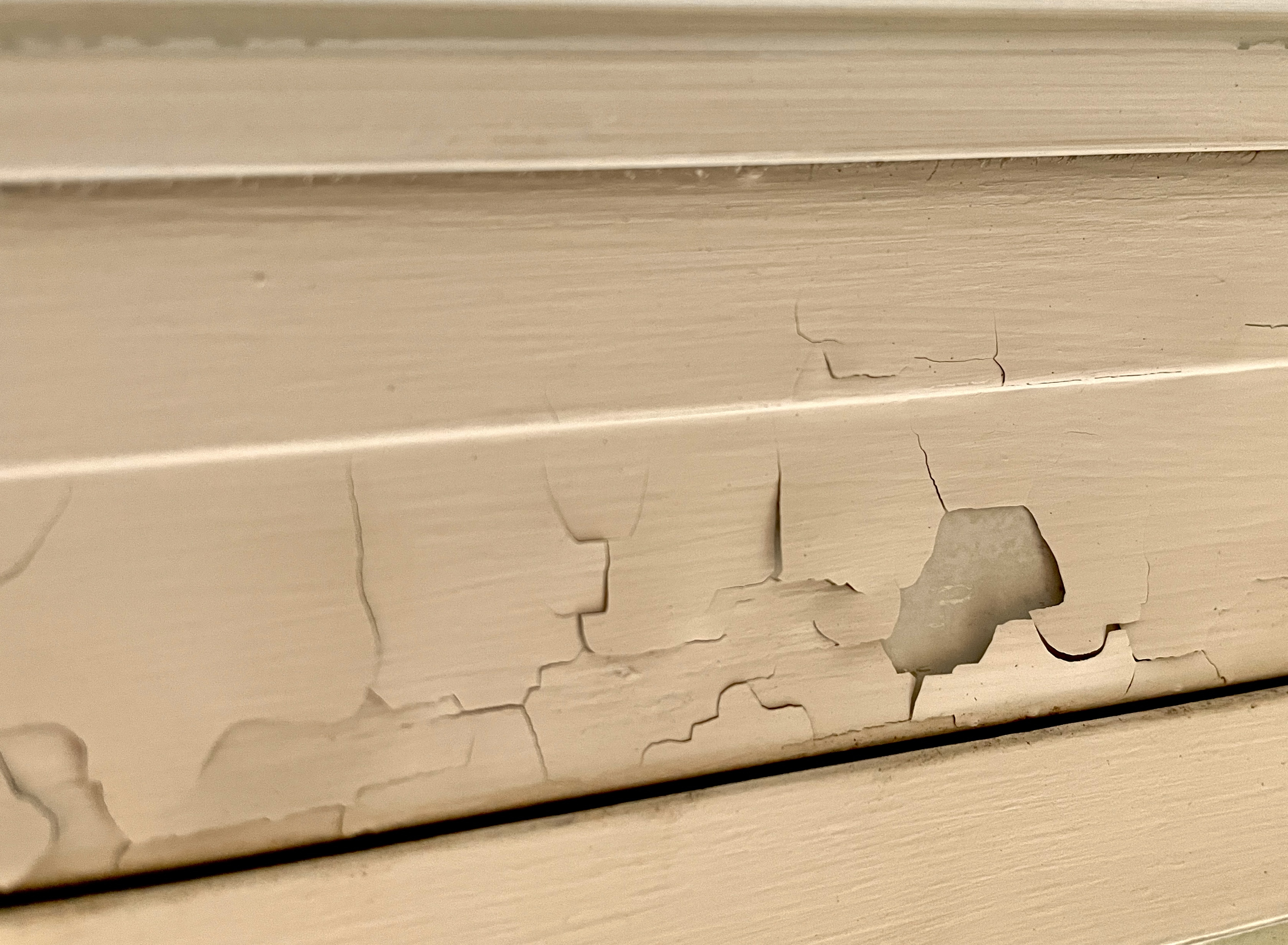
1. Characteristic Wastes: These exhibit at least one of four hazardous traits: ignitability (flammable, like gasoline), corrosivity (can rust or decompose materials, like car batteries), reactivity (unstable and can explode, like aerosol cans), or toxicity (harmful when ingested, like lead-based paint).

2. Listed Wastes: These are specific wastes from manufacturing and industrial processes that the EPA has officially designated as hazardous. They include byproducts from processes that use solvents, pesticides, and other chemicals.

3. Universal Wastes: These are commonly generated hazardous items that are subject to streamlined regulations. Examples include batteries, pesticides, mercury-containing equipment (e.g., bulbs), and some lamps.

4. Mixed Wastes: This category includes waste that contains both hazardous and radioactive components, making it subject to regulation by both the EPA and the Nuclear Regulatory Commission.

The Colstrip, MT homeowners’ guide to lead testing and removal services

From average costs to expert advice, get all the answers you need to get your job done.

What do you need done? We’ll find top pros.
  • 🌱 "Mow a small front yard"
  • 🛠 "Fix a leaking pipe under the sink"
  • 🏠 "Repair shingles on an asphalt roof"