"AHS is ok. They cover repairs of most everything under the roof of your house. The companies that contract with them are not always the best. You call AHS with the issue, they send a fax to the repair company and give you the contact info. If they don't contact you within 24 hours, you call them. Sometimes they answer, sometimes they don't. When they arrive (usually three days or so later), they service the item. if it has issues within the 90 days, you call AHS again, they are sent out with no charge. If the serviceman decides the unit is unrepairable, AHS will allow you to choose a replacement from their listing (usually not as good as what you have) they will install and remove your old item, or give you wholesale amount to buy and install your own. Prices vary on what you want covered and what you want the copay to be, plus where you live. For me it is 49.99 per month with a 75.00 time of service order. You can have more than one item serviced at the same time under the same fee. If you have a SEAR product the repair guys are great. Not that wild about the other ones they send out. But it is a big savings compared to calling someone on your own. The cost of service is only the 75.00 copay."
At Highmark Inspections, we take great pride in our experience, expertise, quality, and customer service that we provide to meet the consumer's needs. It is our mission to provide excellent workmanship and complete customer satisfaction from start to completion of a project. In order to understand the needs and expectations of our customers, we take great care to work and communicate with every customer in a professional manner. Our reputation is based on service, safety, and quality, regardless of how large or small the job.
We pride our company on reliability, great communication, integrity, and quality work. We are experts in our trade and will do our best to keep you as educated as we can on your particular task or project. We look forward to earning your business!
If you dream it, we can build it. What's the biggest difference between us and them? We build to last! We offer a full line of Green and Energy Star Certified products, backed by our labor and manufacturer's lifetime transferable warranties. Credit Cards Welcome Financing Available OAC.
Mold Testing and Remediation questions, answered by experts
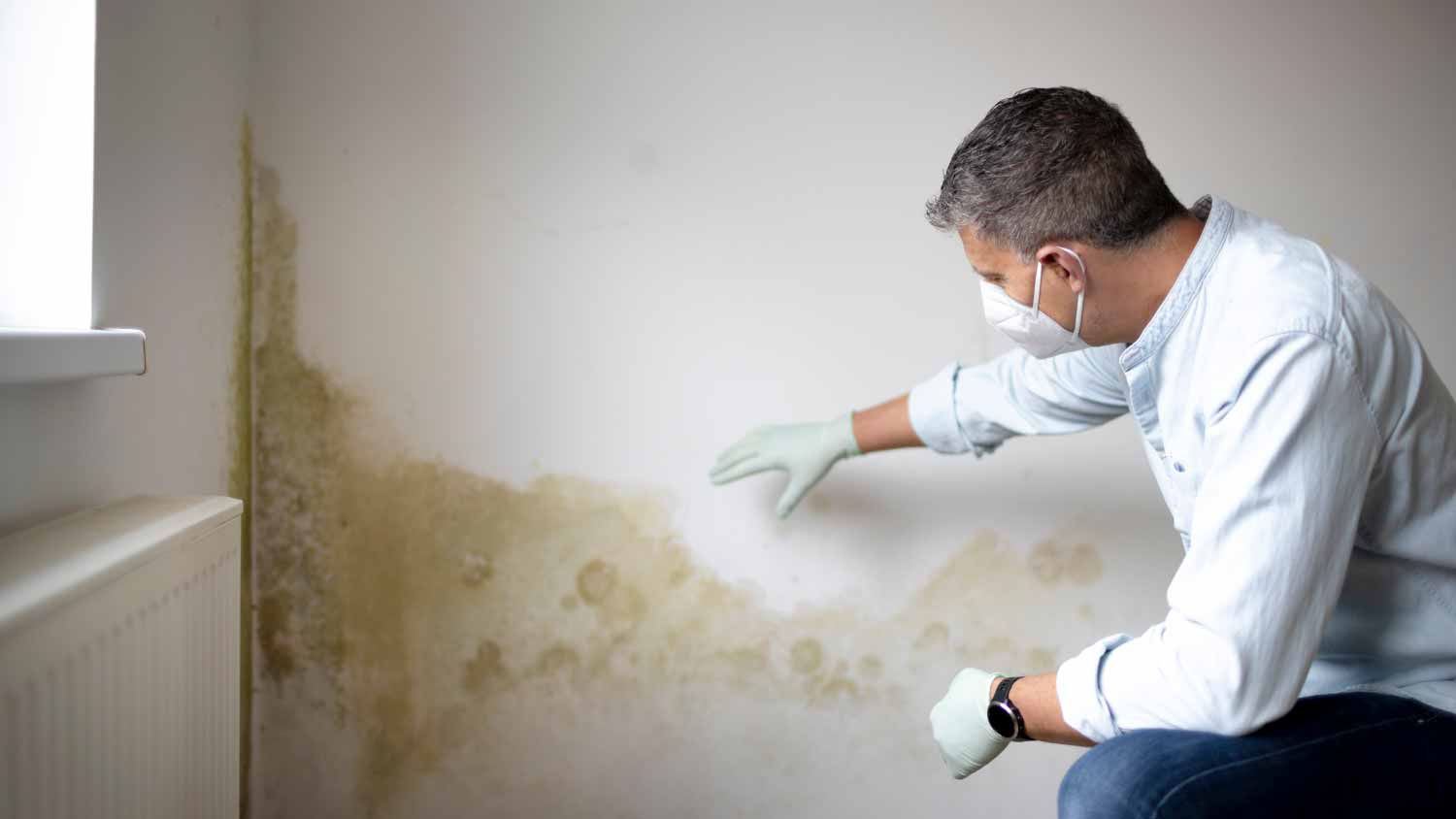
Yes, if there is mold in your drywall mud and you then use it to build walls in your house—or if mold develops in your set drywall, like it can in hot and humid areas—it can lead to illness. Mold in your drywall (or other parts of your home) can make existing respiratory conditions or allergies worse, and the effect can be more intense for those who have existing health issues or compromised immune systems.
The cost for mold remediation typically ranges from $1,125 to $3,350, with a national average of around $2,400. The final price depends on various factors, including the location and square footage of the affected area, the type of mold, and local labor costs.
Additional factors that influence the total cost include:
Extent of Damage: The overall price can increase significantly if extensive repairs are needed after mold removal, such as replacing large sections of drywall. Removing mold from a small area of drywall might cost between $300 and $825, but full wall replacement is more expensive.
Health Risks: The cost is also justified by the health risks associated with toxic mold, which can cause respiratory distress, act as carcinogens, or even damage the nervous system.
Comprehensive Service: Remediation involves not only removing the mold but also addressing the moisture issues that caused it to prevent future growth.
Testing and Air Quality: The need for safety testing and measures to improve indoor air quality can also add to the cost.
For an accurate estimate, it is best to consult a mold removal specialist who can assess the specifics of your situation.
Yes, it is common for mold to grow on the underside of the siding due to the moist atmosphere. When there is an abundance of moisture, mold has the ideal environment to spread and thrive. This fungus can be found on virtually any surface, both indoors and outdoors. Generally, it is most active when the environment is warm, damp, and humid.
The negatives of a humidifier are the potential for mold growth due to high humidity levels, the up-front cost, and the energy requirements to run it. Depending on the state of humidity in your home, you may not actually see lower utility bills due to the humidifier running on a near-constant basis.
If the smell is closer to mildew or rotten eggs, the issue is probably mold or bacteria buildup in the machine or its drainage system. Clean your washing machine thoroughly, paying close attention to the rubber door gasket, as it can harbor odor-causing residue. Some machines have lint or debris filters that should also be checked and cleaned according to the user manual's instructions. Be sure to leave the machine's door or lid open after each use, as this allows for better air circulation and helps prevent mold growth.
The Circle, MT homeowners’ guide to mold testing and remediation services
From average costs to expert advice, get all the answers you need to get your job done.
The cost of a mold inspection might seem high, but it’s one of the best investments you can make for your health and home. Read on to learn cost-saving tips.
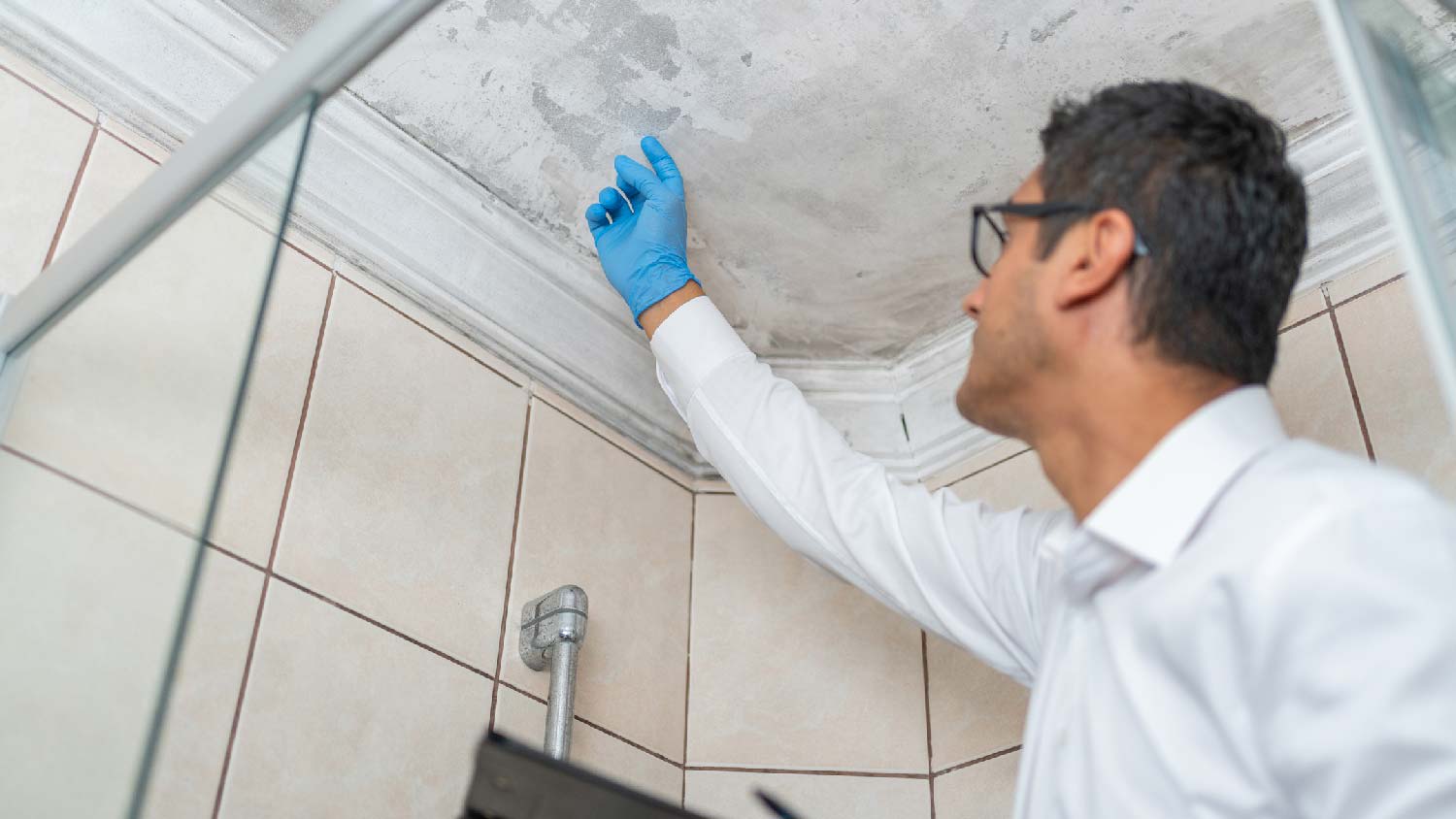
Figuring out how to test for mold in your home is important. Mold testing can offer peace of mind and lets you know if it’s time to call a pro. Learn about mold testing processes in this guide.
When is mold remediation required at your home? We can help you decide whether the musty odor or the patch of mold you’re experiencing requires a pro’s help.
There's an excellent reason why you should avoid going with the same company for mold testing and mold remediation. Learn why different companies should handle these tasks.