"I only use James when I need some work done to my house. He responds fast, gets the work done quicker than just about anyone else I've ever used and seems very concerned with leaving his customers happy."
Painting over wallpaper is an efficient way to cover it if it’s in decent shape. Before painting over wallpaper, make sure the surface is clean and smooth. You may have to remove minor problem areas, such as lifted seams or small peels, with a sheetrock knife or putty knife. Add a latex- or oil-based primer to keep moisture at bay before painting. You’ll likely need two coats of paint to cover the area.
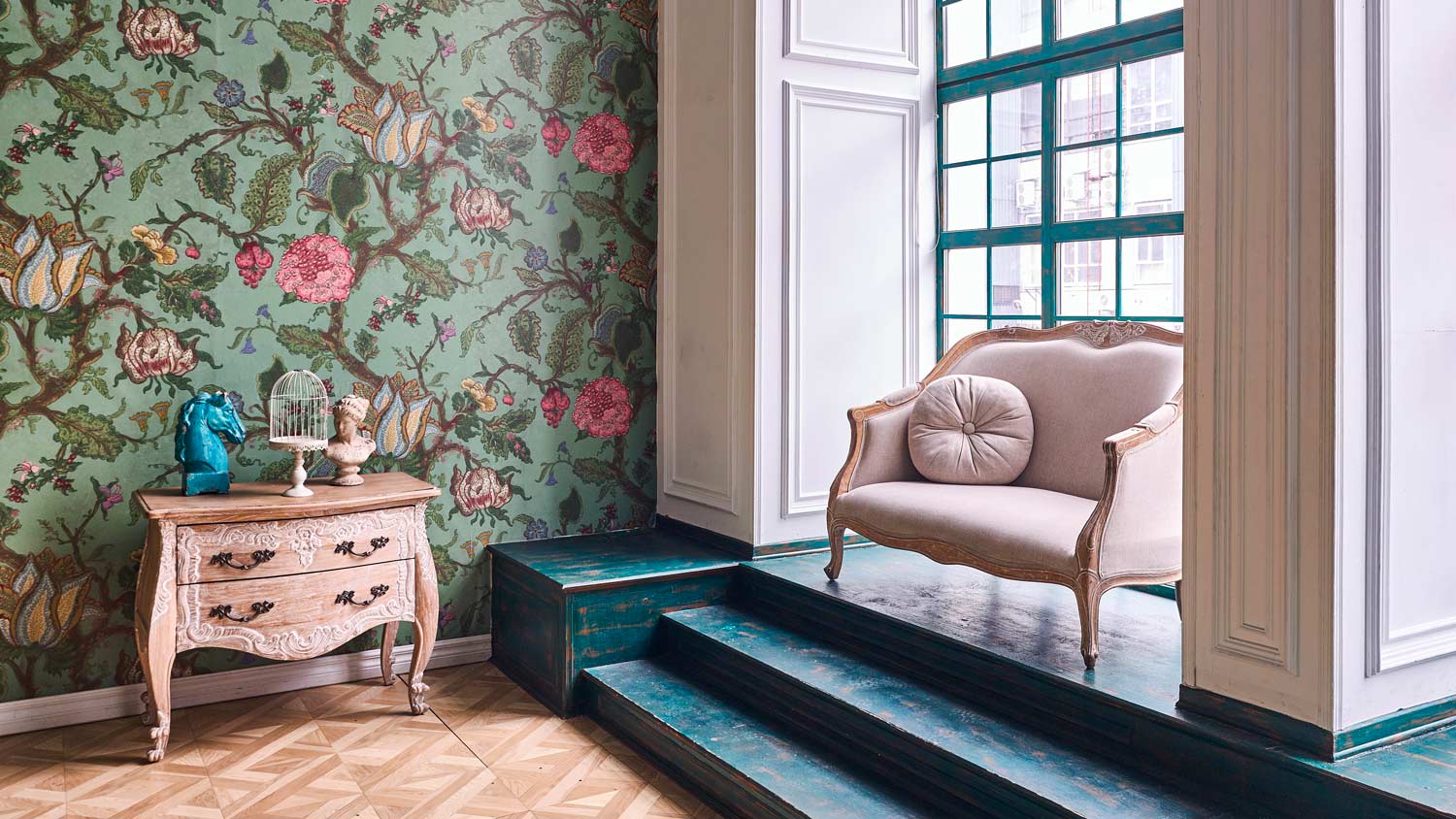
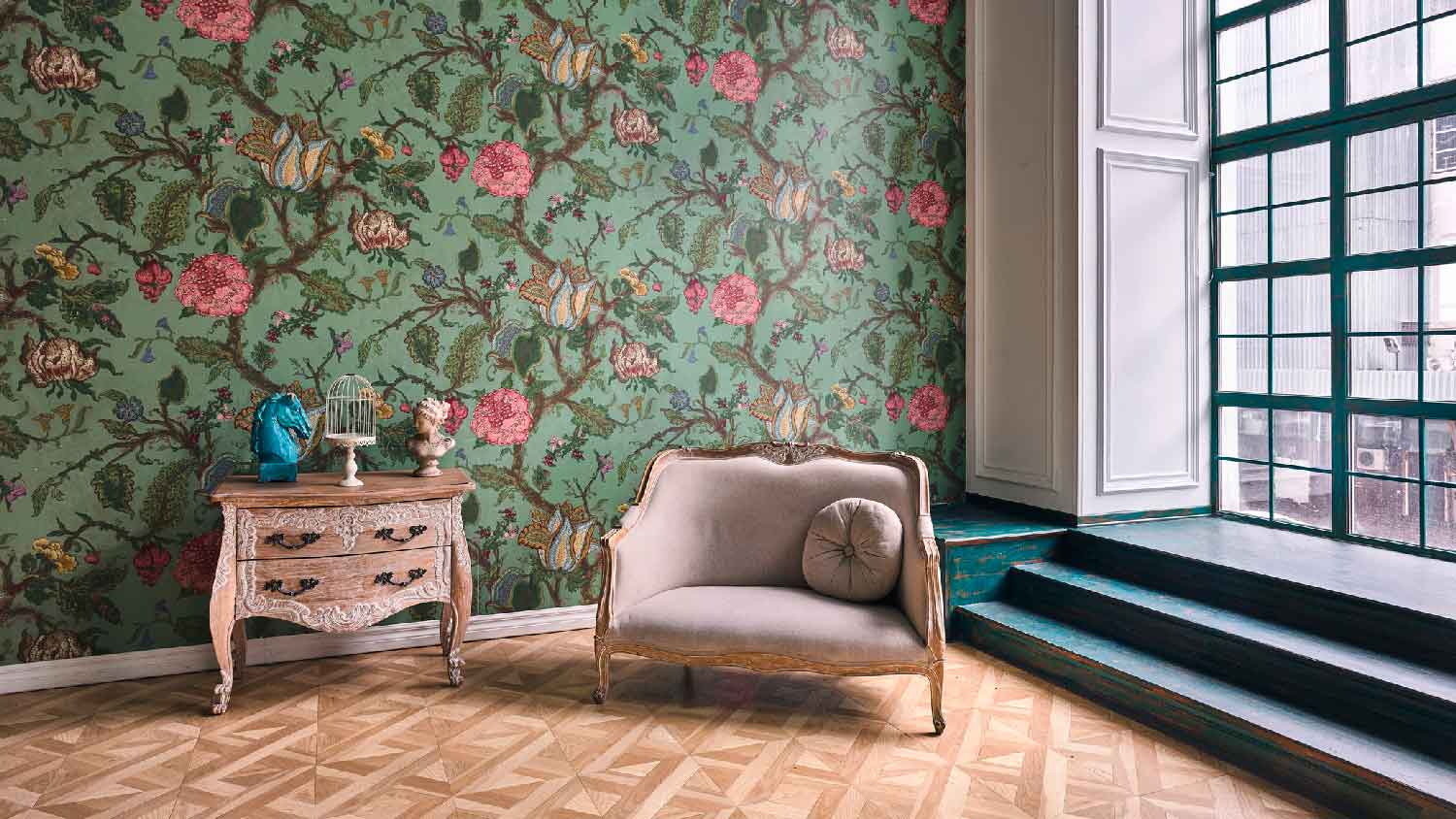
Accent walls have been a popular decor choice over the past two decades, and they don’t seem to be going out of style any time soon. They’re a quick and easy way to change the mood of the room without committing to painting every wall, and many homeowners like the visual interest they add to a room.
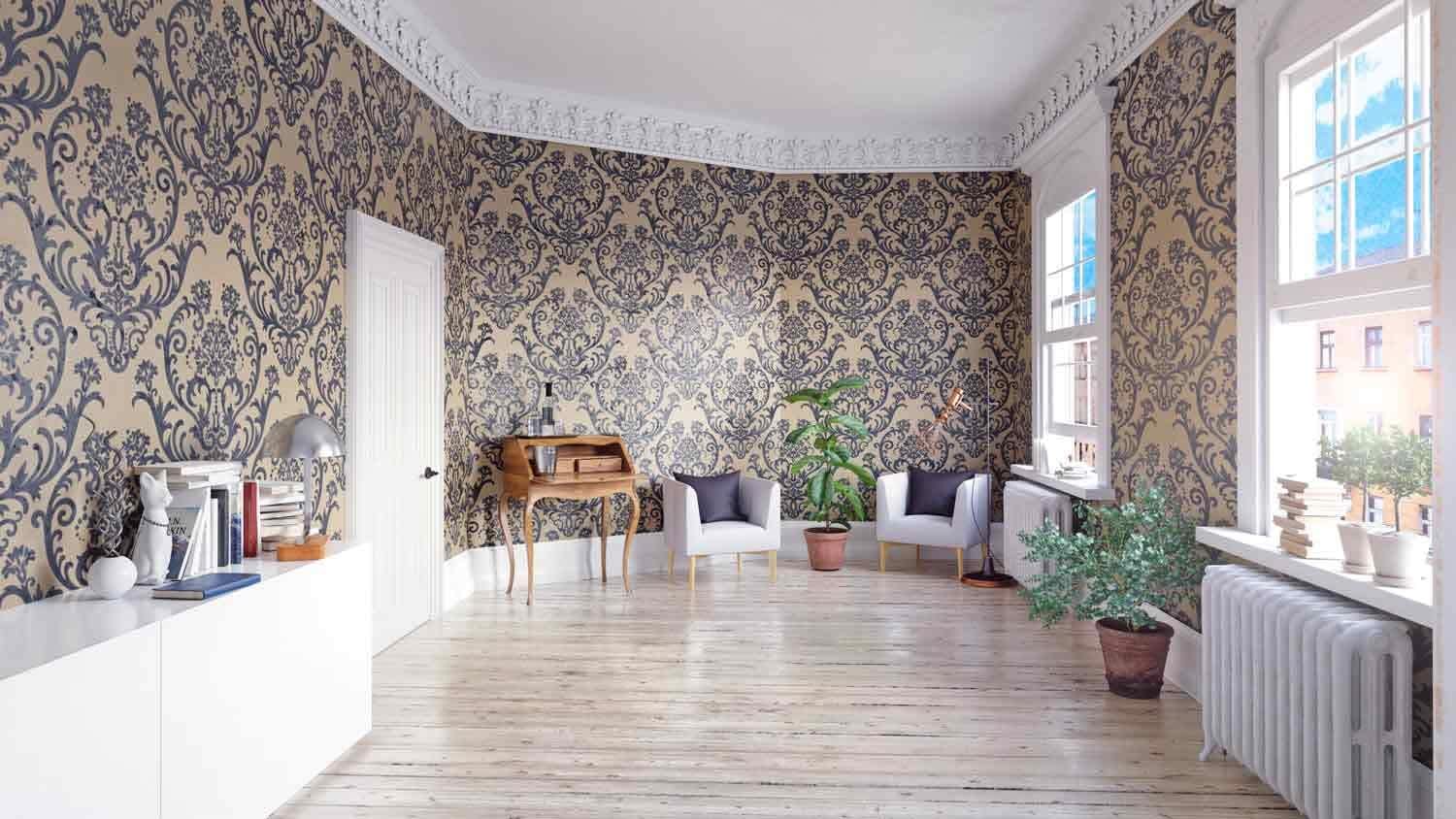
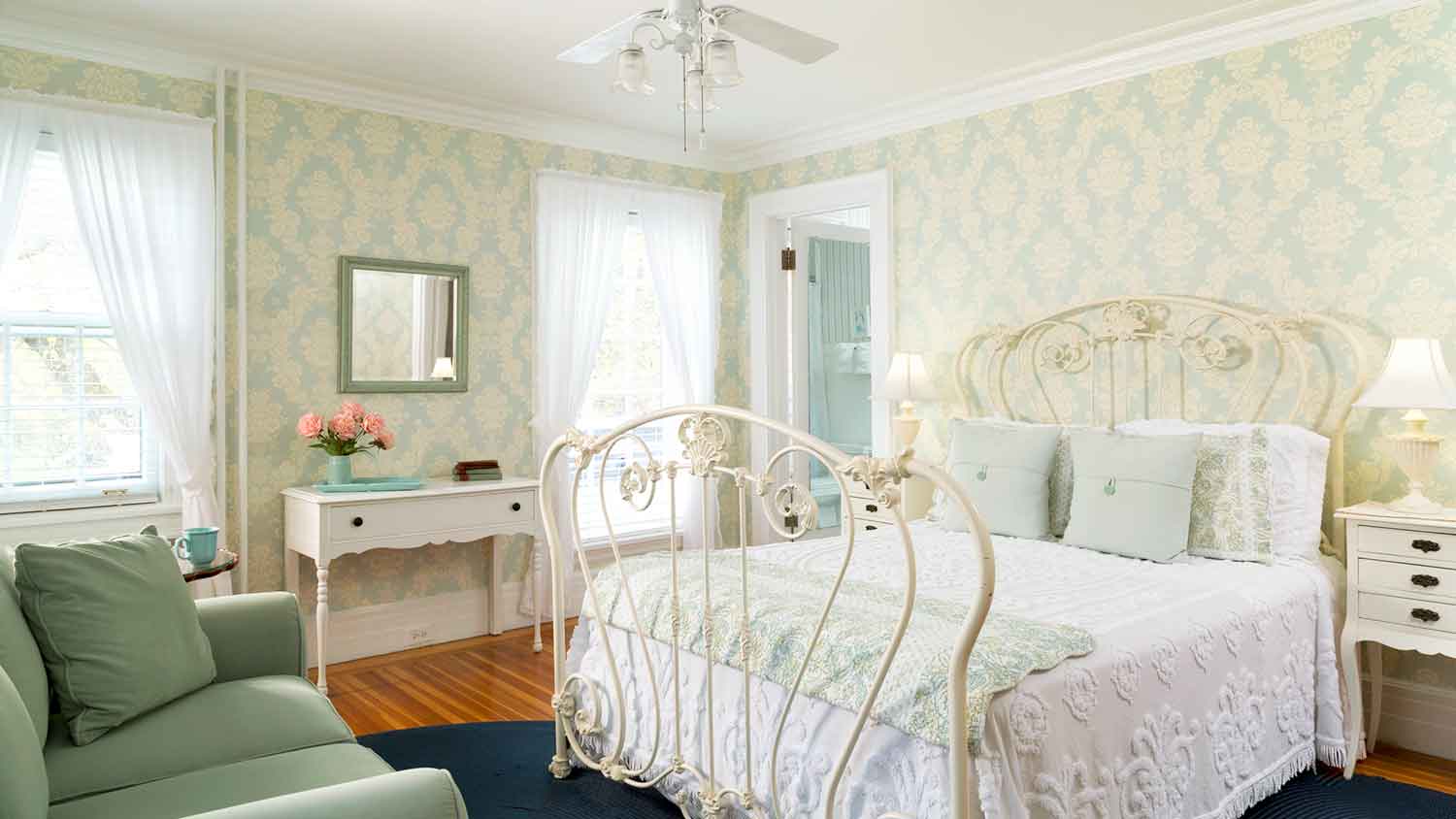
We don’t recommend wallpapering over older paper. That’s because creating layers of glue can invite bubbling or excess moisture on the wall’s surface. You should also prime your wall before applying wallpaper and smooth the wall as much as you can, and another layer of wallpaper complicates this process.
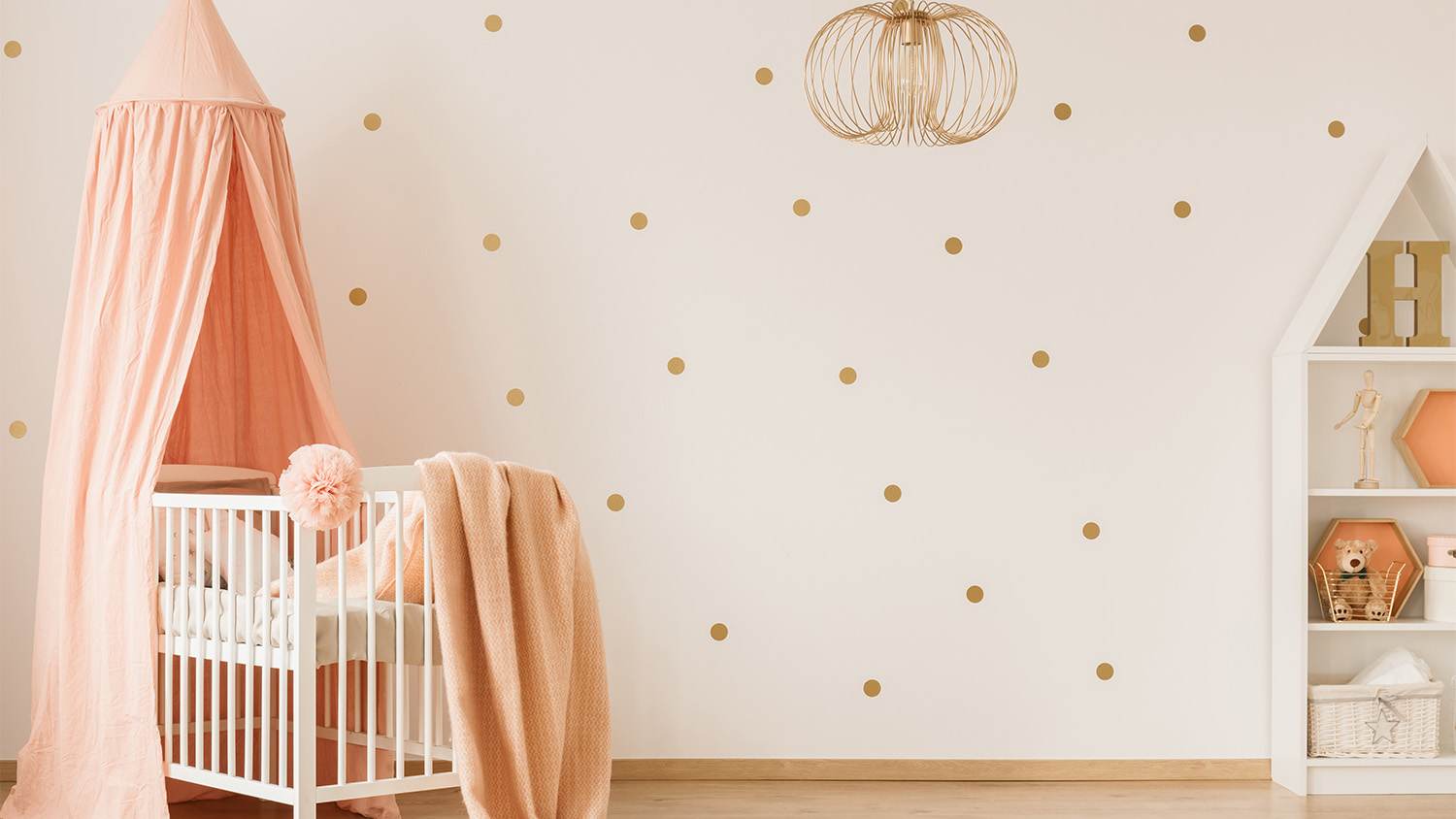
White walls are considered a classic and timeless look and will most likely always be in style. A white wall easily blends into any type of home decor style which makes it a suitable option for most homeowners. Another appealing quality about white walls is that if it's not a color someone is going for, the color is easy to paint over.
Wallpaper in bathrooms can last anywhere from one to 10 years, depending on what type was used, how well it was installed, and the measures in place to reduce moisture and humidity levels. Opting for a more durable variety and taking all the necessary protective measures will get you closer to that longer lifespan.
The Broadus, MT homeowners’ guide to wallpaper services
From average costs to expert advice, get all the answers you need to get your job done.
Discover wallpaper installation cost. Learn about material, labor, and project factors to estimate your budget and make informed choices for your home.
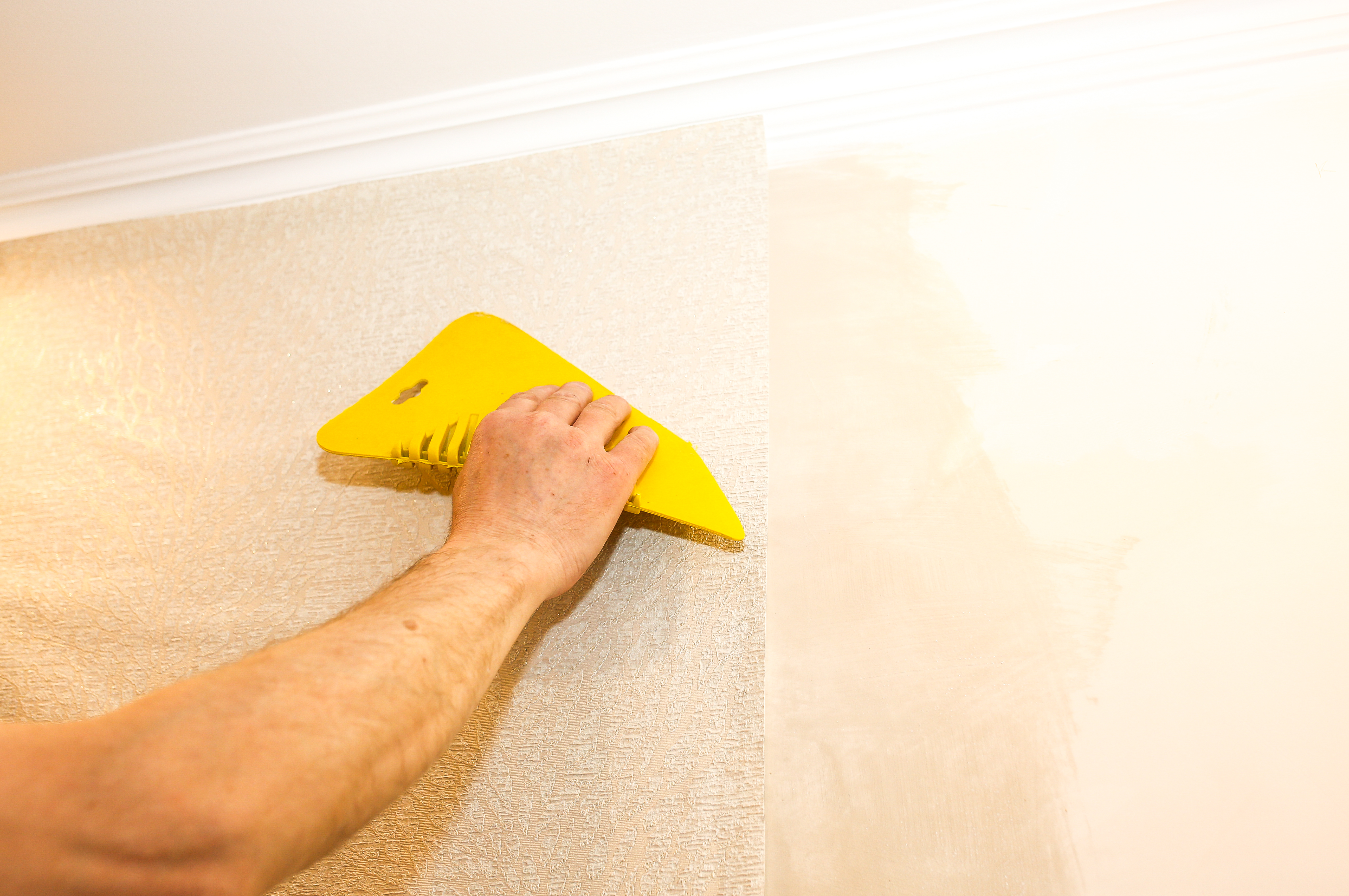
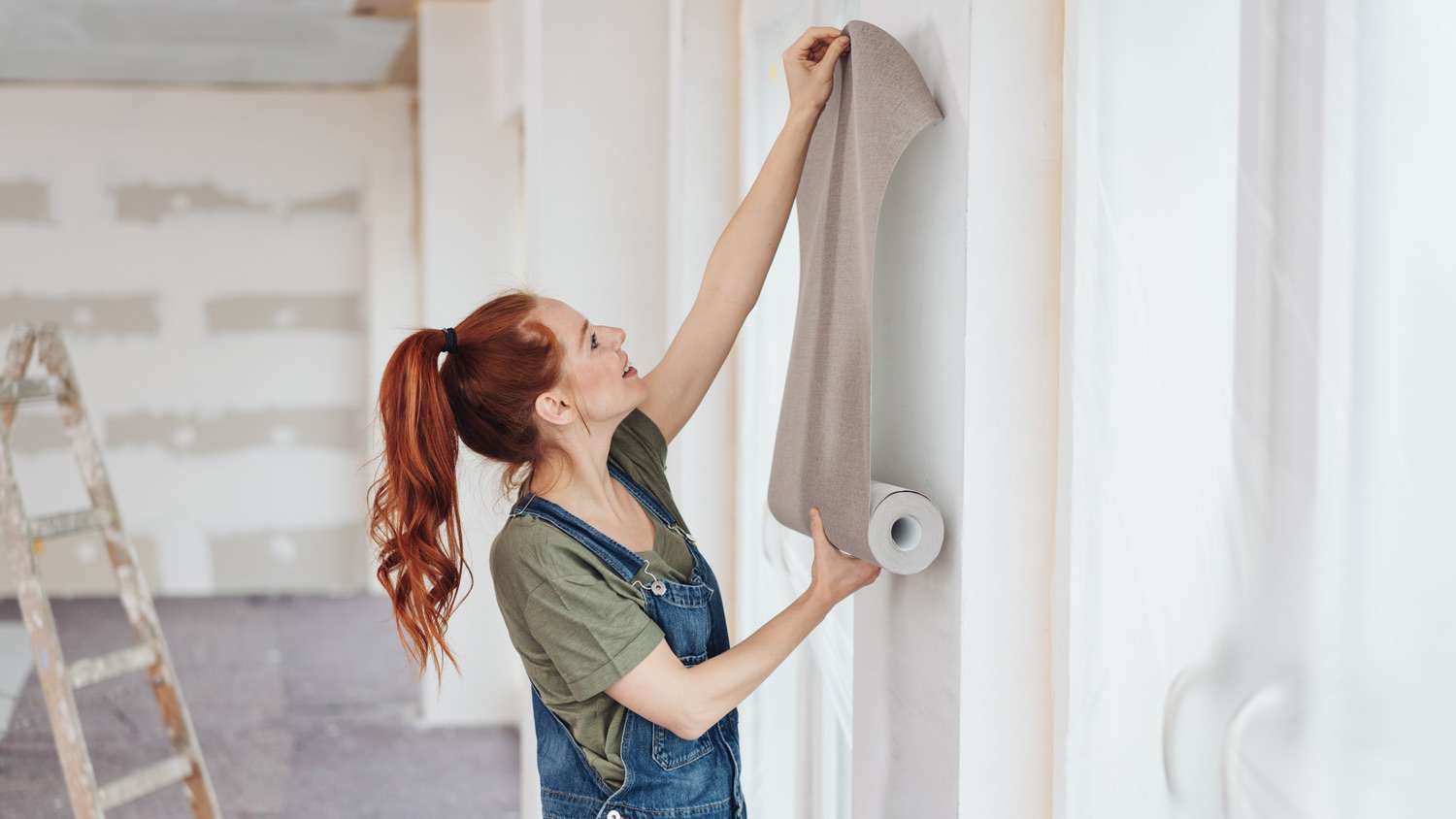
Whether you can put wallpaper over wallpaper depends on the type of paper you’re using and the condition of the existing surface. Learn more with this guide.