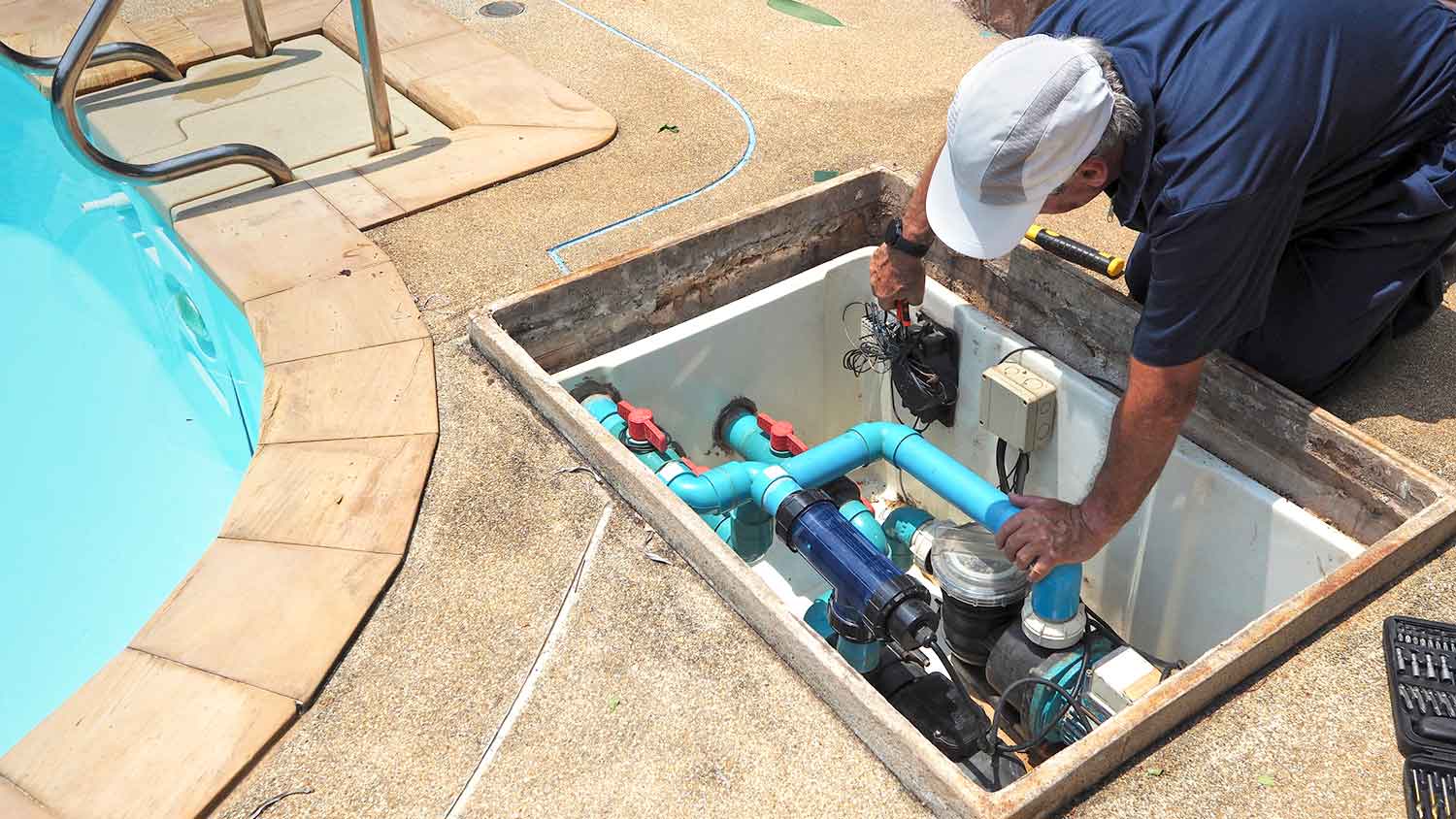
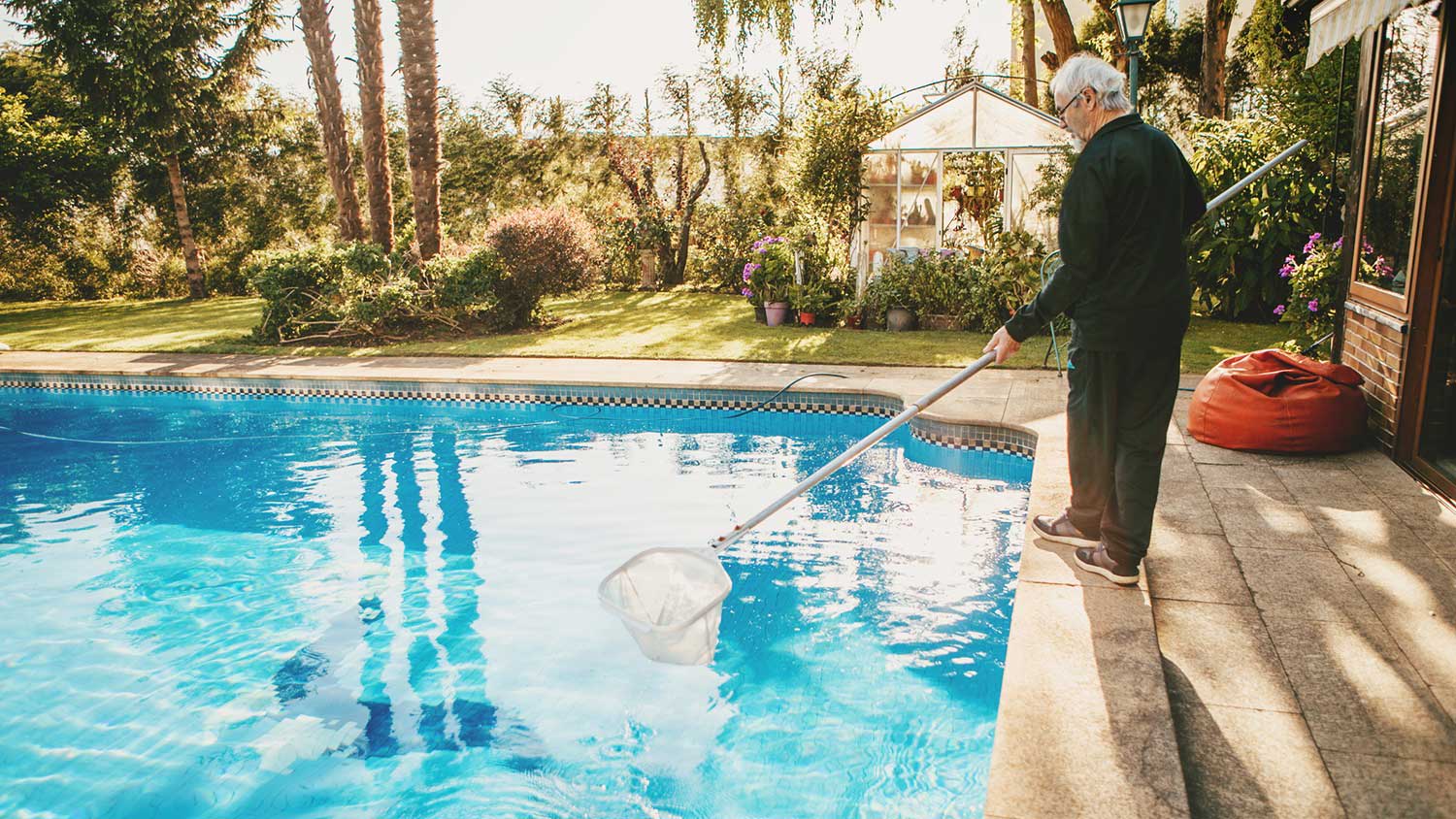
"It was great, the pool technician was very helpful and kept us updated on what repairs were needed. He followed up after his visit to ensure we knew the next steps. 10/10 would have this technician again."
"They take money on muy account for my home warranty service, and they are very responsive, and very reliable. They send Repair companies to my house for repairs and services."
At C&C Roofing, our company is based on the belief that our customer's needs are of the utmost importance. Our team is committed to meeting those needs. We welcome the opportunity to earn your trust and deliver you the best service. No job is too big or too small for our experienced team. Call today for a quote.
If you don’t clean your hot tub filters, they’ll build up dirt and grime, preventing them from filtering out contaminants like dirt and bacteria. The dirty water will then circulate through the filter and back into the hot tub, leading to dirty water, a damaged pump and jets, and low heat. This can lead to higher hot tub costs because you may have to pay for repairs.
Yes, hot tubs can use a significant amount of electricity, primarily to keep the water heated. A typical hot tub uses between 1,500 and 6,000 watts, and the pump can add another 1,500 watts. This usage can result in a monthly cost of around $20 to $30. The exact amount of electricity consumed depends on several factors, including the hot tub's age, size, heater voltage (120V vs. 240V), usage habits, and thermostat setting. Newer, energy-efficient models generally use less power than older ones. To reduce electricity costs, consider investing in an energy-efficient model, using a quality insulated cover with a thermal blanket, and keeping the filters clean.
If you want to have a chemical-free spa, or if you are wondering how to keep your hot tub clean naturally, there are several options. Some individuals choose to run their hot tub without treatment at all and simply clean it more often (although you risk bacteria, fungi, and algae growth if you take this route); others use natural products like vinegar or Borax. Ozone, ultraviolet light, and electrolysis systems are also eco-friendly ways to have a clean hot tub without chemicals. Saltwater hot tubs are popular with people who are sensitive to chlorine, bromine, and other traditional hot tub chemicals.
You can drain a hot tub very quickly by using a submersible pump rather than the hose-sized drain at the bottom exterior of the tub. A pump can move up to 30 gallons per minute, draining your hot tub in no time. Using the regular drain can take up to two hours.
Generally, it is more cost-effective and energy-efficient to leave your hot tub on all the time rather than turning it on and off. Reheating a hot tub from a cold temperature consumes a significant amount of energy, so maintaining a constant temperature is usually more economical, especially with frequent use.
For daily or weekly use, it's recommended to keep the water at a constant, reduced temperature, such as between 80 and 95 degrees Fahrenheit, and then increase it to your desired temperature before getting in. If you know you won't be using the hot tub for an extended period, you can lower the temperature to save on energy costs. However, if you use it very infrequently, you can turn it off completely, as long as there is no risk of the water freezing.
The Broadus, MT homeowners’ guide to pool and spa services
From average costs to expert advice, get all the answers you need to get your job done.
Discover how much pool maintenance costs, including average prices, cost factors, and expert tips to help you budget and keep your pool sparkling all season.
What’s the difference between a swim spa vs pool? Both can be great additions to your property; here’s how to decide which one makes the most sense for you.
If you live in an area without very cold winters but tempted to close your pool during the cooler months, read on. We dive into the many benefits of winter service.