"we had concrete pads added after home construction. One pad had a 2 inch settlement on one corner. Complicating this was a stone wall sitting atop the pad. Excellent restoration was done by Groundworks From Bozeman. After a thorough evaluation by Ben, Chelsea and Tyler were prompt, educational and successful. I Highly recommend this company for your concrete/foundation needs."
"I only use James when I need some work done to my house. He responds fast, gets the work done quicker than just about anyone else I've ever used and seems very concerned with leaving his customers happy."
No, your basement dehumidifier doesn’t need to be on 24/7. While it’s an excellent tool for tackling damp, musty air, especially in humid seasons, leaving it running nonstop can backfire. Over-drying the space can mess with your sinuses, warp wood, and even crack certain materials. Instead, only use your humidifier when moisture levels rise above 50%, and then give it a break when the humidity levels drop.
It is better to have a crawl space that is tailored to the outside temperature, your needs, and the season. For example, it is much better to have a vented space when it’s very hot outside and your AC bills are sky-high. Conversely, when the temperature drops and humidity rises, it is almost always better to have your vents shut and covered if possible.
If a crawl space isn’t vented, there can be moisture buildup, which can lead to mold damage, easily destroying the foundation of your home. A closed-off crawl space can trap heat, which can be useful in the winter, but can also trap dangerous gases and prevent clean air from entering the home through the floorboards.
If your basement often leaks after heavy rain, it’s probably caused by hydrostatic pressure. When the ground is saturated with water, it can put pressure on the exterior of your home’s foundation, causing cracks in the basement wall and pushing water through any existing weak spots. Over time, hydrostatic pressure can cause structural damage to your home.
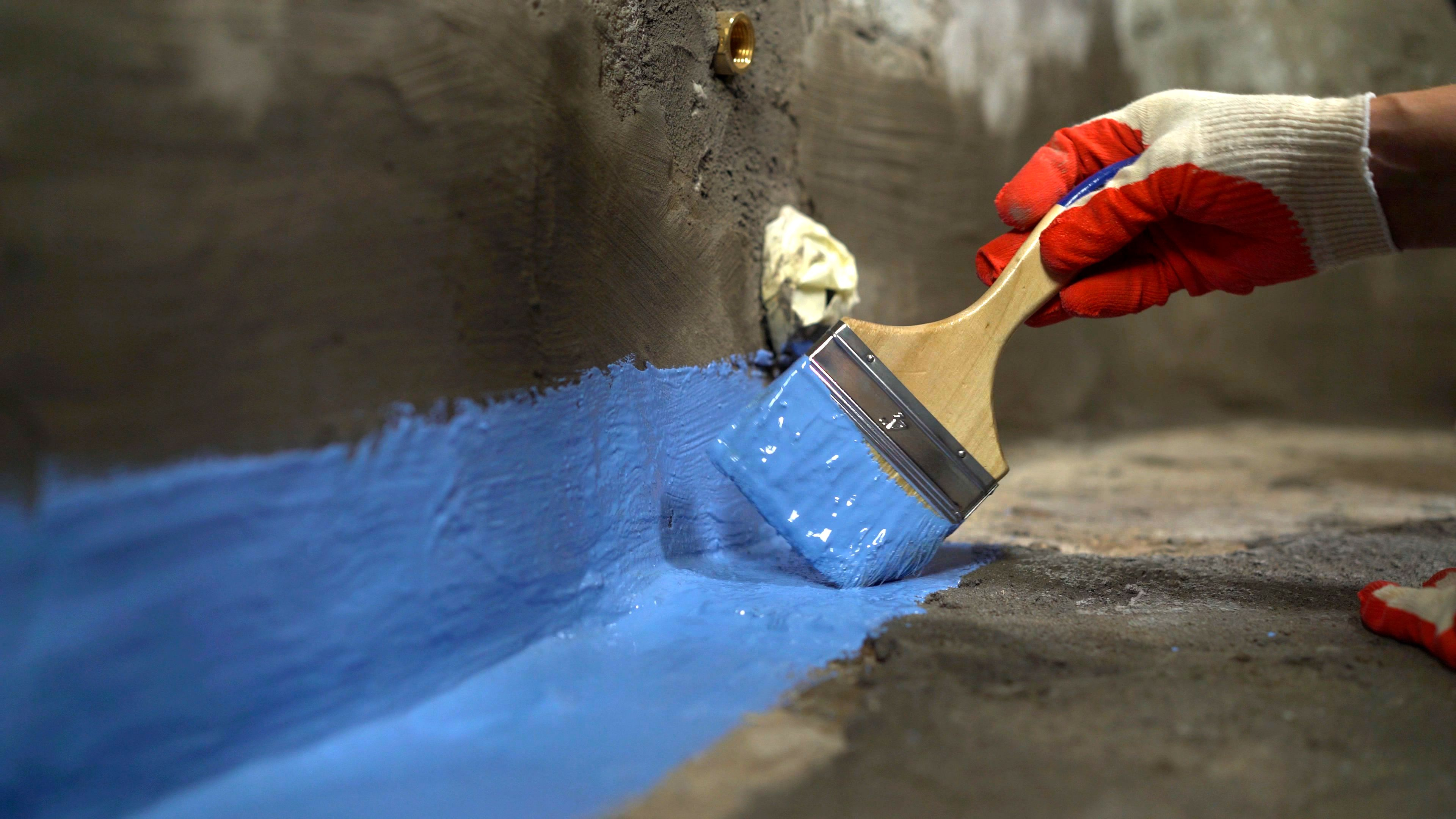
Damp proofing and waterproofing are both methods to help keep your basement dry. Damp proofing keeps soil moisture from entering your basement, which is helpful since your basement is underground. Waterproofing, however, keeps both soil moisture and liquid water out of the basement, which is essential, especially if you live in a wet environment. Because it’s more protective, waterproofing typically costs more than damp proofing.
The Broadus, MT homeowners’ guide to basement waterproofing services
From average costs to expert advice, get all the answers you need to get your job done.
Need to fix basement water problems or safeguard your home from damage in the future? Use this basement waterproofing cost guide to budget appropriately.
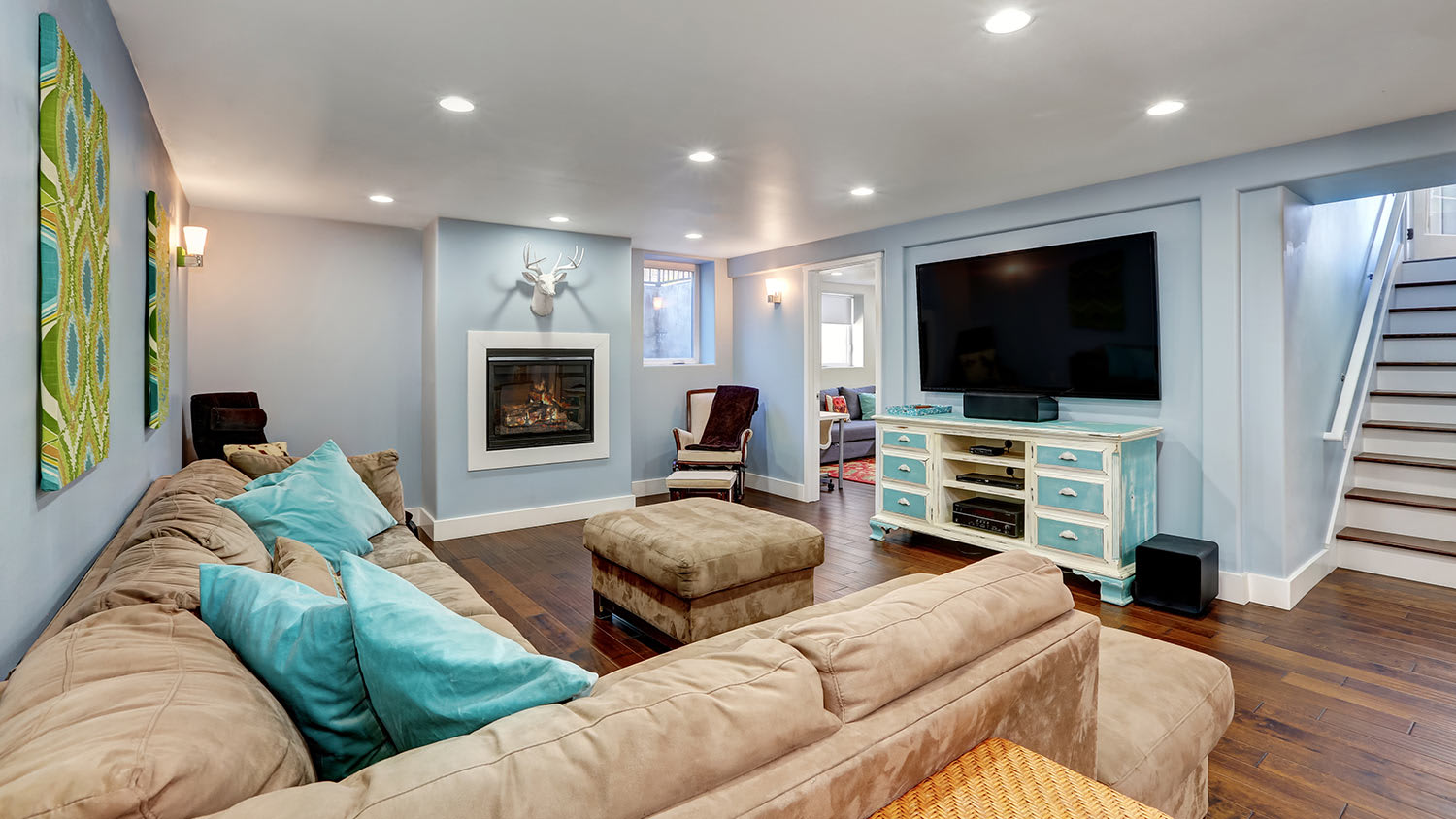
An unfinished basement has a lot of potential for a family room or guest suite. So how much does it cost to finish a basement? Read on for all cost factors.
Dealing with a damp basement? Follow these steps for DIY basement waterproofing to keep water and moisture out and boost your home’s energy efficiency.
Can’t seem to get rid of the moisture and mold in your basement? Learn why basements tend to hold moisture and how to get rid of moisture in the basement.