Family owned and operated since 1992. We are dedicated to providing our clients with the very best in quality for all of your carpet installation needs. We'll help you select the most fitting and beautiful home interiors - from a wide variety of carpeting options! Our distinctive service includes professional measuring, experienced installation and stylish design, all provided with a local flair since we're independently owned and operated. We're known for our quality work and the integrity of our business. We look forward to building long-term relationships with our clients, and guarantee your satisfaction
Affordable Carpet Cleaning & Restoration, is committed to excellence in every aspect of our business. We uphold a standard of integrity, bound by fairness, honesty, and responsibility in all of our jobs. We are a locally owned and operated business with more than 3 years of experience serving Great Falls, MT and surrounding areas. There is no job too big, or too small, for our team. Call today and let us put our experience to work for you!
Matt Peterson has been in business since 2007 servicing Montana. We offer all typesof flooring installs and repairs. We take pride in what we do and treat your home as if it was our own. Give us a call for a free estimate.
With over twenty years experience, Golden Effects Flooring, is committed to excellence in every aspect of our business. We uphold a standard of integrity bound by fairness, honesty and personal responsibility. Our distinction is the quality of service we bring to our customers. Accurate knowledge of our trade combined with ability is what makes us true professionals. Above all, we are watchful of our customer's interests, and make their concerns the basis of our business.\n
B& W Floors is committed to excellence in every aspect of our business. We uphold a standard of integrity bound by fairness, honesty, and personal responsibility. Our distinction is the quality of service we bring to our customers. Accurate knowledge of our trade combined with ability is what makes us true professionals. Above all, we are watchful of our customers interests, and make their concerns the basis of our business.
Thank you for visiting 406 Flooring and Carpentry LLC! We are a locally owned and operated service based out of and servicing the surrounding areas. Whether it is residential or commercial, we promise to complete your project with a guaranteed persistence in getting it done right the first time. Contact us now for your free estimate! \n
Kyla is committed to excellence in every aspect of our business. We uphold a standard of integrity bound by fairness, honesty, and personal responsibility. Our distinction is the quality of service we bring to our customers. Accurate knowledge of our trade combined with ability is what makes us true professionals. Above all, we are watchful of our customers' interests, and make their concerns the basis of our business.
I specialize in reliable handyman services, professional cleaning, furniture assembly, and yard work. As a local one-person operation, I personally handle a wide variety of home and property tasks ? from deep cleaning and repairs to furniture assembly and yard maintenance. I take pride in doing quality work with care and attention to detail. Ready to help with just about anything around your home.
We take great pride in our experience, expertise, quality, and customer service that we provide to meet the consumer's needs. It is our mission to provide excellent workmanship and complete customer satisfaction from start to completion of a project. In order to understand the needs and expectations of our customers, we take great care to work and communicate with every customer in a professional manner. Our reputation is based on service, safety, and quality, regardless of how large or small the job.
Carpet Installation questions, answered by experts
A stair runner can be cheaper than a carpet and will definitely save money over the cost of refinishing hardwood floors and stairs. The price depends, however, on the fabric and quality of the runner. A wool stair runner can be more expensive than an inexpensive polyester carpet and vice versa. Keep an eye on your budget, knowing that the higher quality the carpet and the carpet pad, the better the carpet will wear over time.
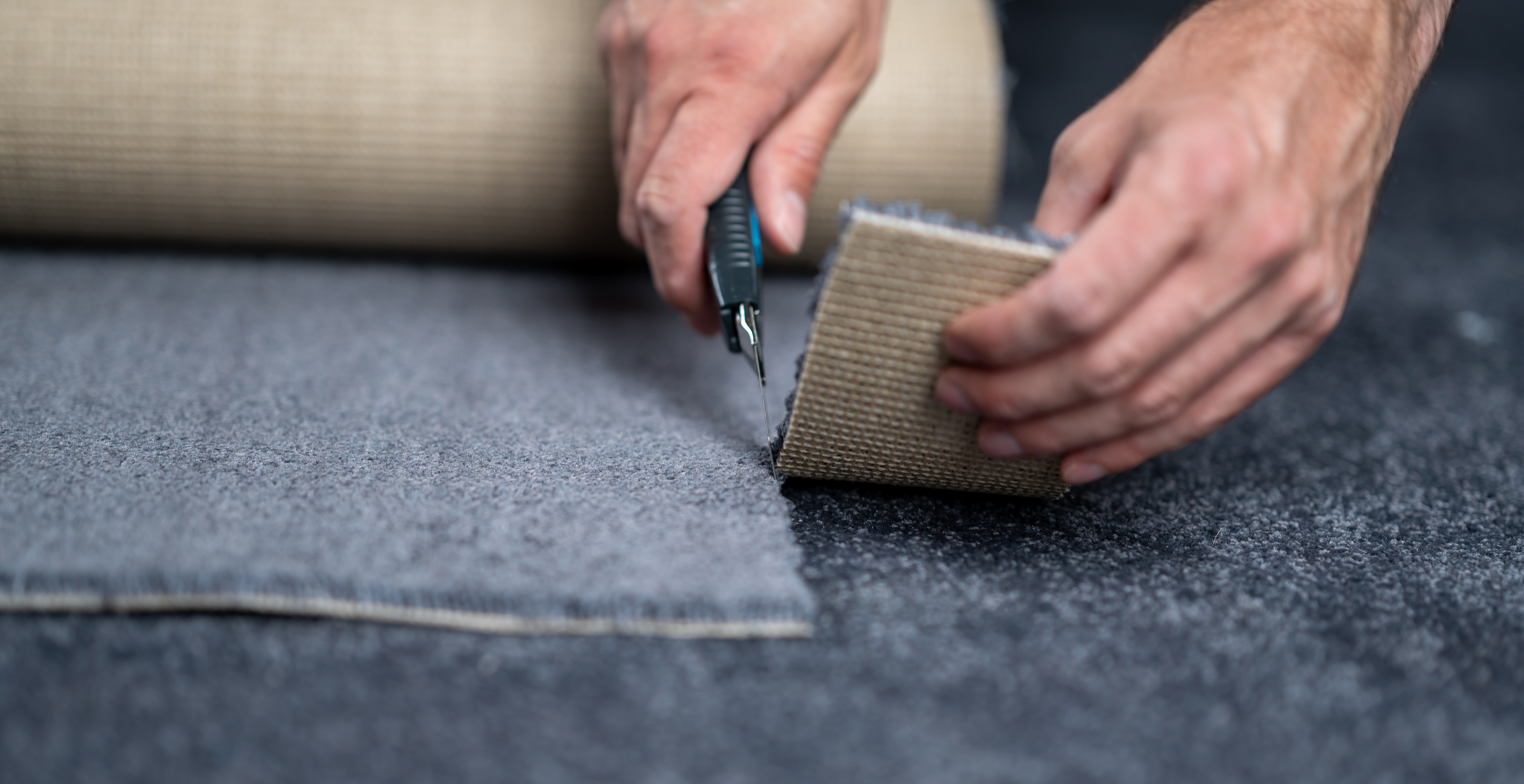
While it is possible to install carpet yourself, it is a challenging DIY project that requires precise measurement, proper cutting skills, and knowledge of correct installation techniques. The process involves multiple steps, including removing old flooring, installing underlayment and tack strips, and stretching the carpet to prevent wrinkles, which can take several days to complete.
Before starting, consider these factors:
Warranty: Many manufacturers' warranties are voided if the carpet is not installed by a professional.
Tools: You will need to buy or rent specialized equipment like a knee kicker, carpet stretcher, and seam roller.
Complexity: DIY installation is most suitable for simple, straightforward rooms. Projects involving stairs or floor vents are significantly more difficult.
Cost: While you can save on labor, the cost of tools plus the risk of expensive mistakes—which may require re-installation—can make hiring a professional more cost-effective in the long run.
Given the potential for errors, voided warranties, and the need for special tools, hiring a local carpet installer is often recommended to ensure the job is done correctly and safely.
Taking carpet off stairs is an easy but multi-step process you can usually do yourself. If you have the right tools, time, and oomph to finish the job, removing carpet from stairs can be an easy-to-medium difficulty task, depending on your stairs, the type of carpet installed, and how willing you are to get your hands dirty. It’s important to review the process, gather the right tools before you begin, and follow a tutorial or directions while you work.
Yes, laying laminate over carpet may void the warranty of your flooring. Most laminate manufacturers specify installation over a suitable subfloor, not carpet. Deviating from these installation guidelines can invalidate the warranty. You should stick to the manufacturer's instructions to ensure warranty coverage, and you should always consult with professional laminate flooring installers near you if you have any concerns or questions regarding installation methods.
New carpet installation offers warmth, comfort, and aesthetic appeal. It can improve indoor air quality by trapping dust particles and provides a sound-dampening effect, which is beneficial for creating quiet environments.
The Big Sandy, MT homeowners’ guide to carpet installation
From average costs to expert advice, get all the answers you need to get your job done.
Not only are carpet tiles easier to install than carpet, but they’re often more affordable. So, how much does carpet tile installation cost? Let’s take a look.