"I only use James when I need some work done to my house. He responds fast, gets the work done quicker than just about anyone else I've ever used and seems very concerned with leaving his customers happy."
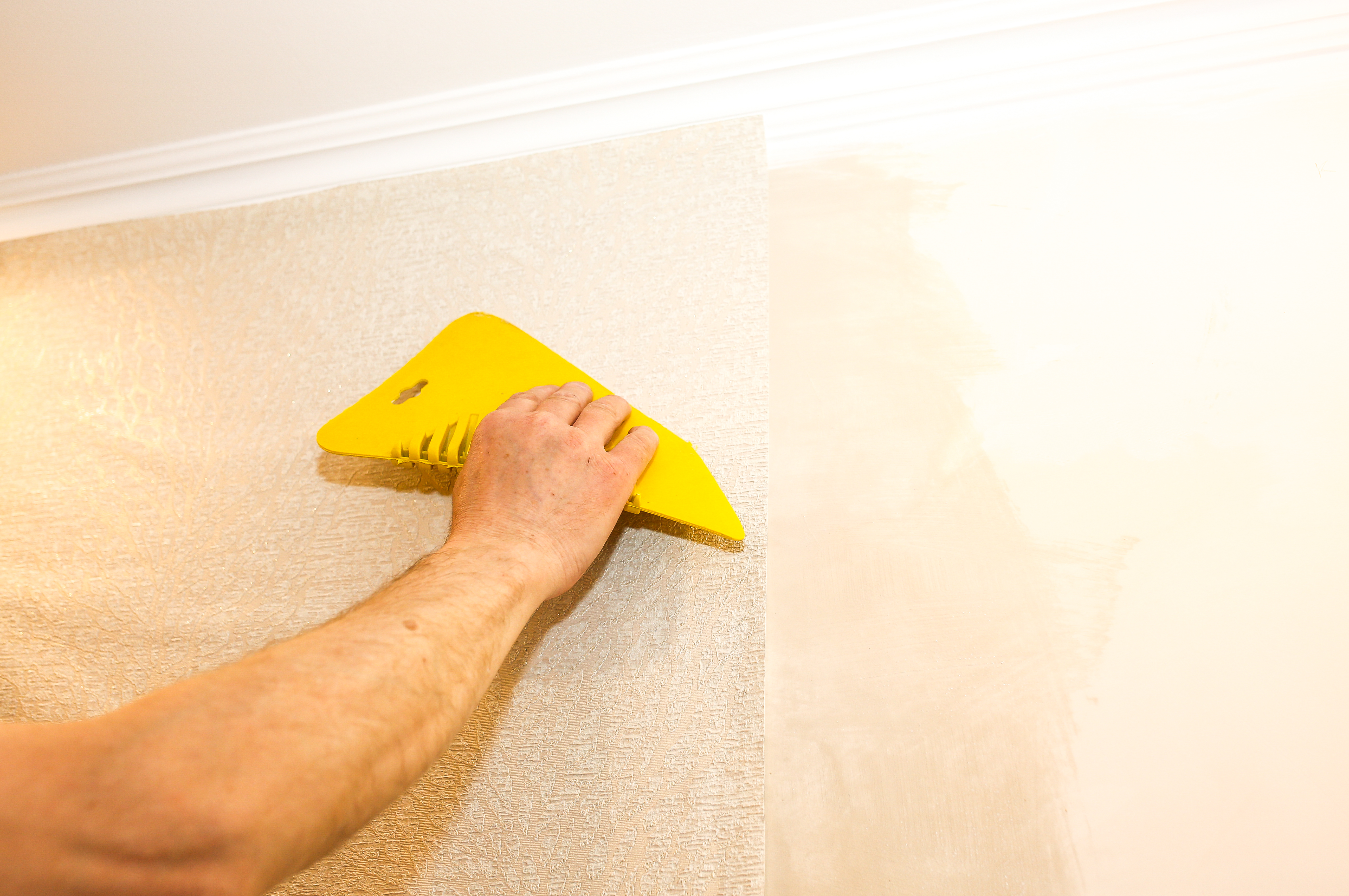
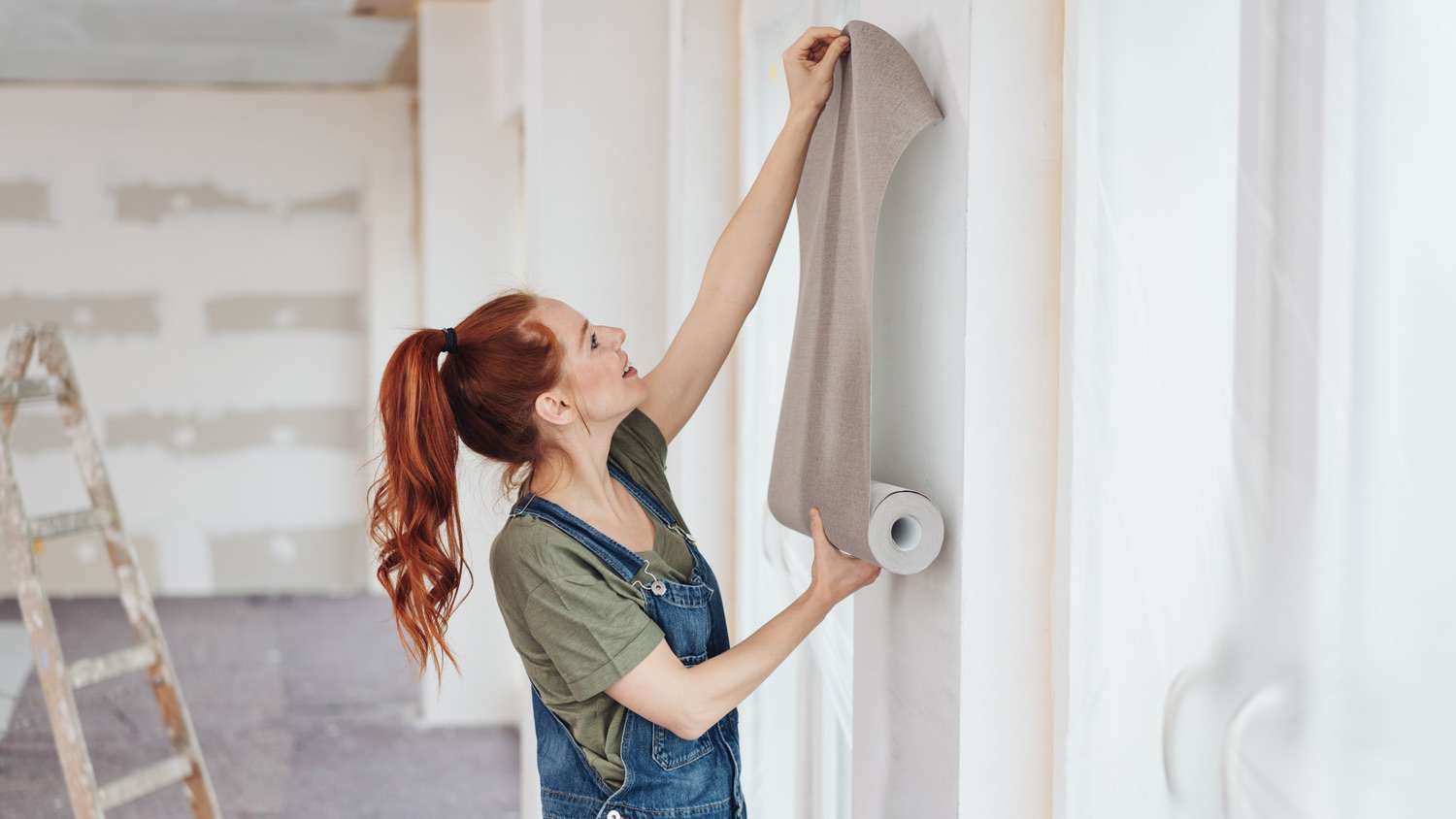
Putting up new wallpaper tends to take one to two days, depending on the size of the area, whether old paper needs to be removed, and if there is any damage to walls that needs to be smoothed over or fixed.
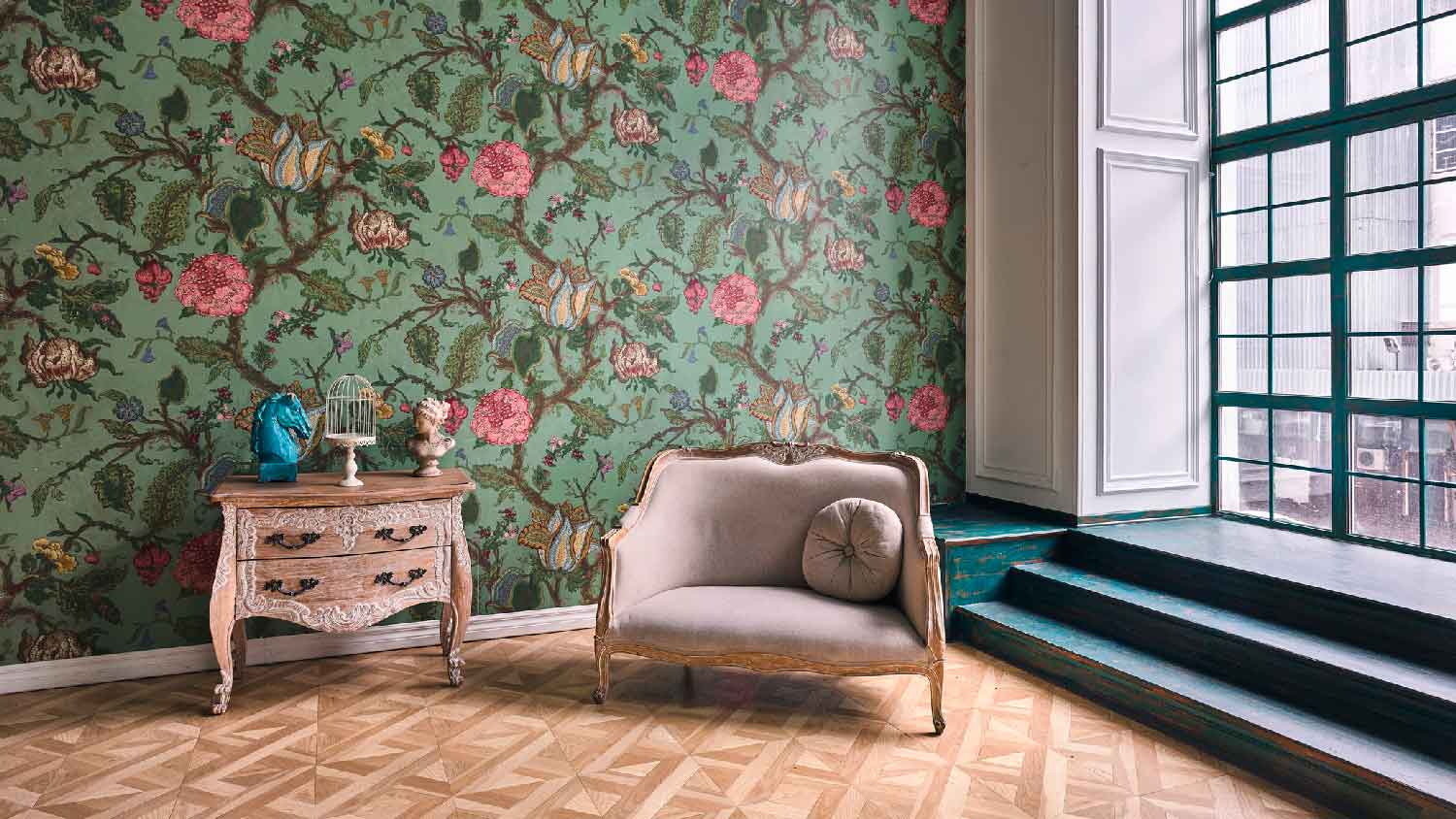
Textured or patterned vinyl wallpaper designs are the best option for hiding imperfections. Embossed designs or faux finishes like brick, wood, or linen textures are especially effective at camouflaging dents, cracks, or uneven surfaces. Avoid smooth, shiny finishes, as they can highlight flaws rather than conceal them.
When choosing materials for finishing basement walls, consider factors such as moisture resistance, durability, and fire resistance. Opt for materials specifically designed for basement environments, like moisture-resistant drywall or cement board. Insulation with vapor barriers can help regulate temperature and prevent condensation. Consider using mold-resistant paints or coatings.
Research and consult with experts to select materials that are suitable for your specific basement conditions and intended use. Prioritize quality and compatibility to achieve long-lasting and aesthetically pleasing results.
Peel-and-stick wallpaper is designed to be removed without damaging walls, making it a good choice for renters or temporary design changes. However, damage to paint or drywall can occur under certain conditions. To prevent issues, the wall surface must be properly prepared before application—it should be clean, smooth, dry, and correctly primed or painted. Applying wallpaper to a freshly painted surface can cause the paint to peel off during removal. Additionally, removing the wallpaper too quickly or aggressively can also cause damage. For best results, always follow the manufacturer's instructions for both application and removal.
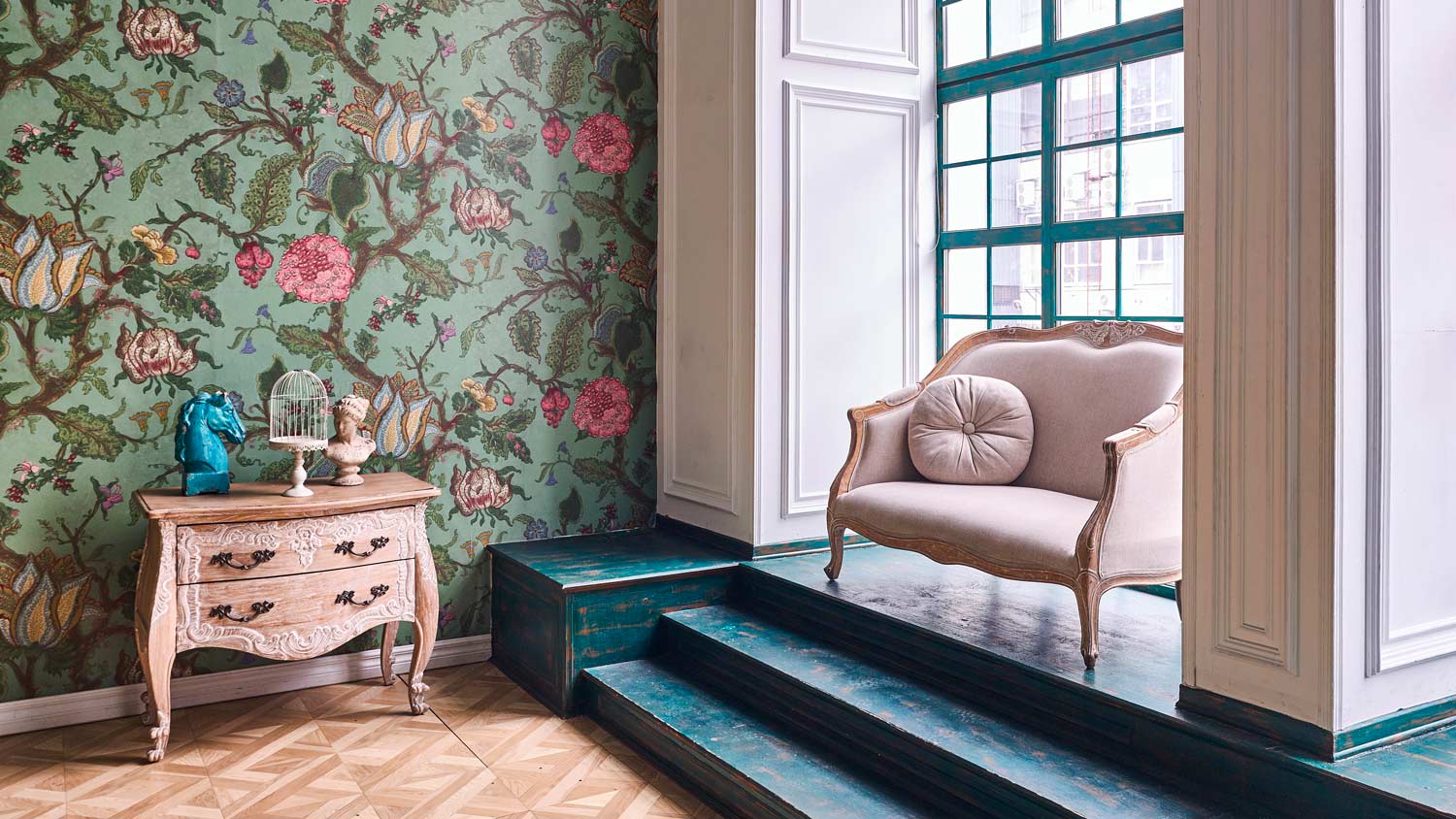
Darker walls may make tight bathrooms appear even smaller, but one dark accent wall can really make a bathroom pop. Wallpaper with a dark background can add intrigue and sophistication. Still, if you’re looking to open the room up and give it a modern, airy feeling, light colors may work best for your needs. Although there are some popular and unpopular opinions, there’s really no “should” when it comes to personal design choice.
The Baker, MT homeowners’ guide to wallpaper services
From average costs to expert advice, get all the answers you need to get your job done.
Discover wallpaper installation cost. Learn about material, labor, and project factors to estimate your budget and make informed choices for your home.
Whether you can put wallpaper over wallpaper depends on the type of paper you’re using and the condition of the existing surface. Learn more with this guide.