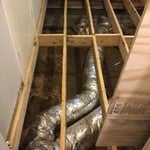







Yes, insulating hot water pipes helps your system run more efficiently. This is especially true in basements in colder climates, where cold air likes to settle in. There are a few ways to insulate water pipes (foam is common) to keep hot water hot, reducing the need for your water heater to constantly heat the water in the tank or your circulator to kick on more than necessary.


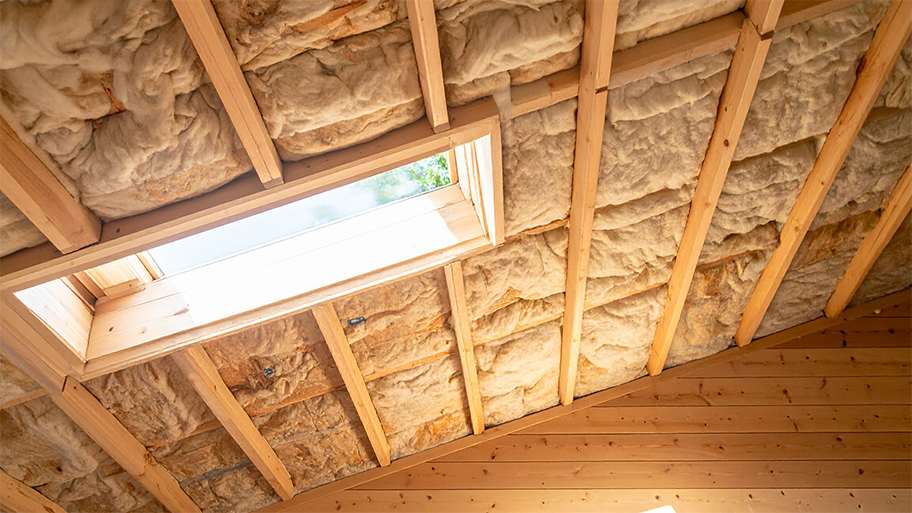
Yes. Proper, complete insulation will ensure that you trap the most cool or warm air inside your home, preventing high energy bills. In addition, insulation tends to settle and compress, leaving gaps over time; the more you insulate completely during the initial installation, the less you’ll need to do down the line.
Unfortunately, pipes can freeze when exposed to prolonged freezing temperatures, whether or not you have installed insulation covers. Insulation covers, however, are still an excellent idea as they can reduce the chance of your pipe freezing by keeping the pipes closer to the temperature of the water inside the pipe.
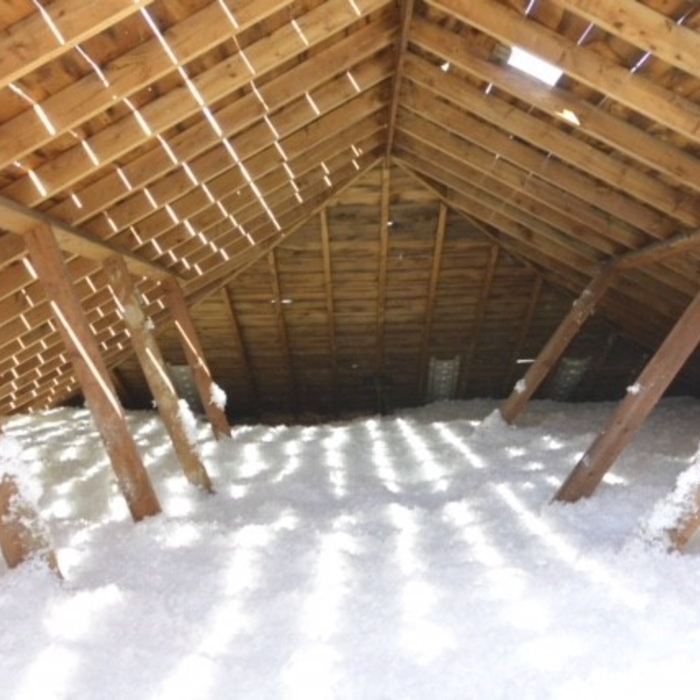
Installing sheets of plywood over attic insulation is a popular choice, especially in storage spaces. That said, insulation works by trapping hot air—so it needs extra space to expand and be effective, or you might reduce the energy efficiency of your home.
It’s important that you never compress the insulation by installing flooring directly on top of it. In many houses, you’ll need to install a subfloor before putting plywood over insulation in your attic.
It is possible to insulate your walls without removing drywall, but it’s not a good idea to attempt the work yourself. A professional can use blown-in insulation or spray foam insulation to fill wall voids without opening up the walls, and the option they use typically depends on your climate and whether or not there’s insulation in your wall already that can remain in place. Spray foam insulation costs more and isn’t always a viable option, but it’s a better insulator. Call in an expert to help decide which is right for you.
The West Point, MS homeowners’ guide to insulation services
From average costs to expert advice, get all the answers you need to get your job done.
Discover the average injection foam insulation cost, key price factors, and ways to save. Get transparent estimates to plan your home insulation project confidently.
Read our step-by-step guide and learn how to remove fiberglass insulation. Our instructions will help you remove this tricky material quickly and safely.
Removing old insulation may be necessary for upgrading your insulation. Keep reading to see if you should remove old insulation before adding new insulation.