





Top-rated wrought iron workers.

Get matched with top wrought iron workers in Wesson, MS

Enter your zip and get matched with up to 5 pros

Need a pro for your wrought iron service project in Wesson, MS?

Select your specific project to find the pro for you.

Find Wrought iron workers in Wesson

Showing 1-10 of 37
Wrought Iron questions, answered by experts

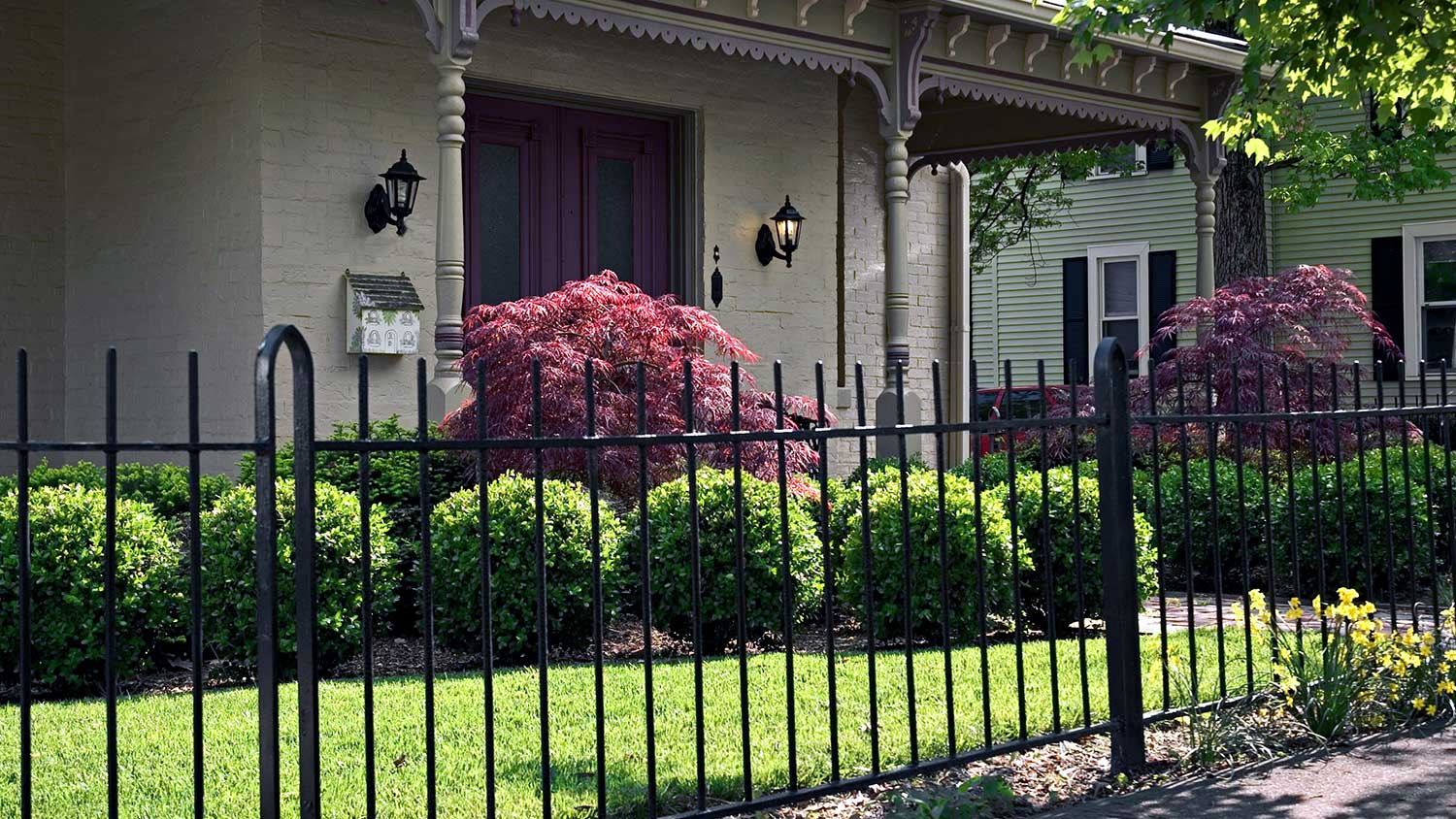
A high-quality wrought iron fence is one of the most durable options available and can last a lifetime, or even centuries, with proper care. However, wrought iron is susceptible to rust and corrosion if not maintained.

To maximize its lifespan, regular maintenance is required. This includes:

  • Cleaning the fence with soapy water every six months.

  • Scrubbing away any rust or corrosion as soon as it appears.

  • Applying a new coat of paint or refinishing the fence every few years to protect the metal from moisture and oxygen. The recommended frequency varies, with sources suggesting anywhere from every 1 to 10 years.

If significant rust develops, it's wise to hire a professional fence repair company to clean the rust and reseal the fence. The cost to refinish a fence is typically between $5 and $12 per square foot, a worthwhile investment to ensure its longevity.

The depth of the fence posts depends on the height of your fence. If you’re installing a 6-foot fence, then digging 2-foot-deep holes for the fence posts will help ensure a secure installation. However, if you’re installing an 8-foot fence, the posts will need to be deeper than 2 feet to support the structure properly. Also, consider how far apart the fence posts should be to provide adequate support.

The most durable metal for a fence is wrought iron. With proper care, a wrought iron fence can last for centuries. This means regular resealing to stave off rust and corrosion, especially in coastal climates with salty sea air. In these environments, chain link and corrugated fencing tend to stand up better to the elements with fewer maintenance needs.

You’ll need to bury the garden fence about 1 foot underground. It’s tempting to save on materials by burying the fence just a couple of inches, but if you do so, determined pests will still be able to dig under the fence and access your plants. Burying your garden fence deep into the soil is an important step that allows you to attach a wire barrier to the fencing. 

Burrowing animals (like voles, moles, rabbits, and gophers) can’t dig or chew through this wiring, meaning that you’ll be keeping your prized petunias or your robust veggie garden from being eaten.

Clean regularly, inspect for rust, and repaint or seal to prevent corrosion.

The Wesson, MS homeowners’ guide to wrought iron services

From average costs to expert advice, get all the answers you need to get your job done.