



Top-rated animal removal specialists.

Best animal removal specialists near Walnut, MS

Enter your zip and get matched with up to 5 pros

Need a pro for your animal removal project in Walnut, MS?

Select your specific project to find the pro for you.

Top-Rated Animal removal specialists in Walnut - Updated Nov 2026

Avatar for Presto-X (St. Louis)
Presto-X (St. Louis)
New to Angi
Pest Control - Birds and BatsPest Control - RodentsPest Control - Small Animals

Serving Walnut, MS and surrounding areas

Approved

In business since 1932

Free estimates

Warranties offered

Since 1932, Presto-X has been providing expert pest control services guided by the enduring principles of providing world class service to our customers and taking care of our colleagues. Presto-X covers your home or business with expert knowledge, professionally licensed and trained technicians, and exemplary service designed specifically for you.

Animal Removal FAQs, answered by experts

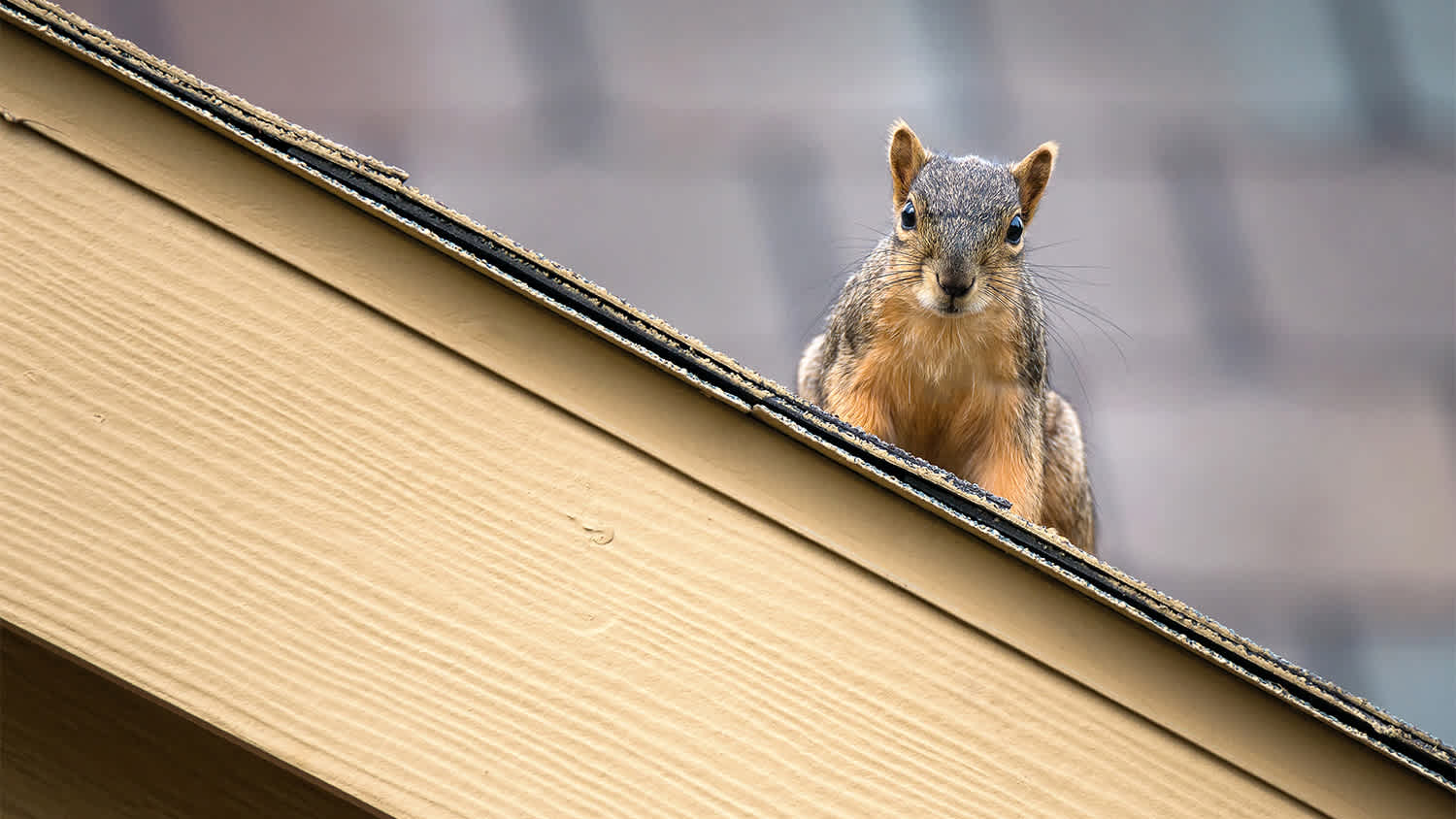
According to the Internet Center for Wildlife Damage Management, no frightening devices are proven effective for squirrel control. This is likely because the squirrels quickly become habituated to the noises. However, strobe lights show some promise, so motion-activated lighting could be an option worth considering as part of your integrated pest management strategy.

Ladybugs and nematodes eat fleas outdoors. In fact, ladybugs can eat an average of 50 bugs each hour. If you see them outdoors, avoid causing them harm to help you keep unwanted pests away.

No, poison isn’t the best way to deal with animals in your attic. It’s unlikely to completely eradicate the problem, especially if you don’t take care of access points. Also, poisoned animals may die and decay in the attic, causing noxious odors. 

Some animals may leave the attic before the poison kills them, which could lead to nearby pets or other wildlife eating the animals and becoming poisoned themselves. Ultimately, it’s better to avoid using poison and contact a professional instead.

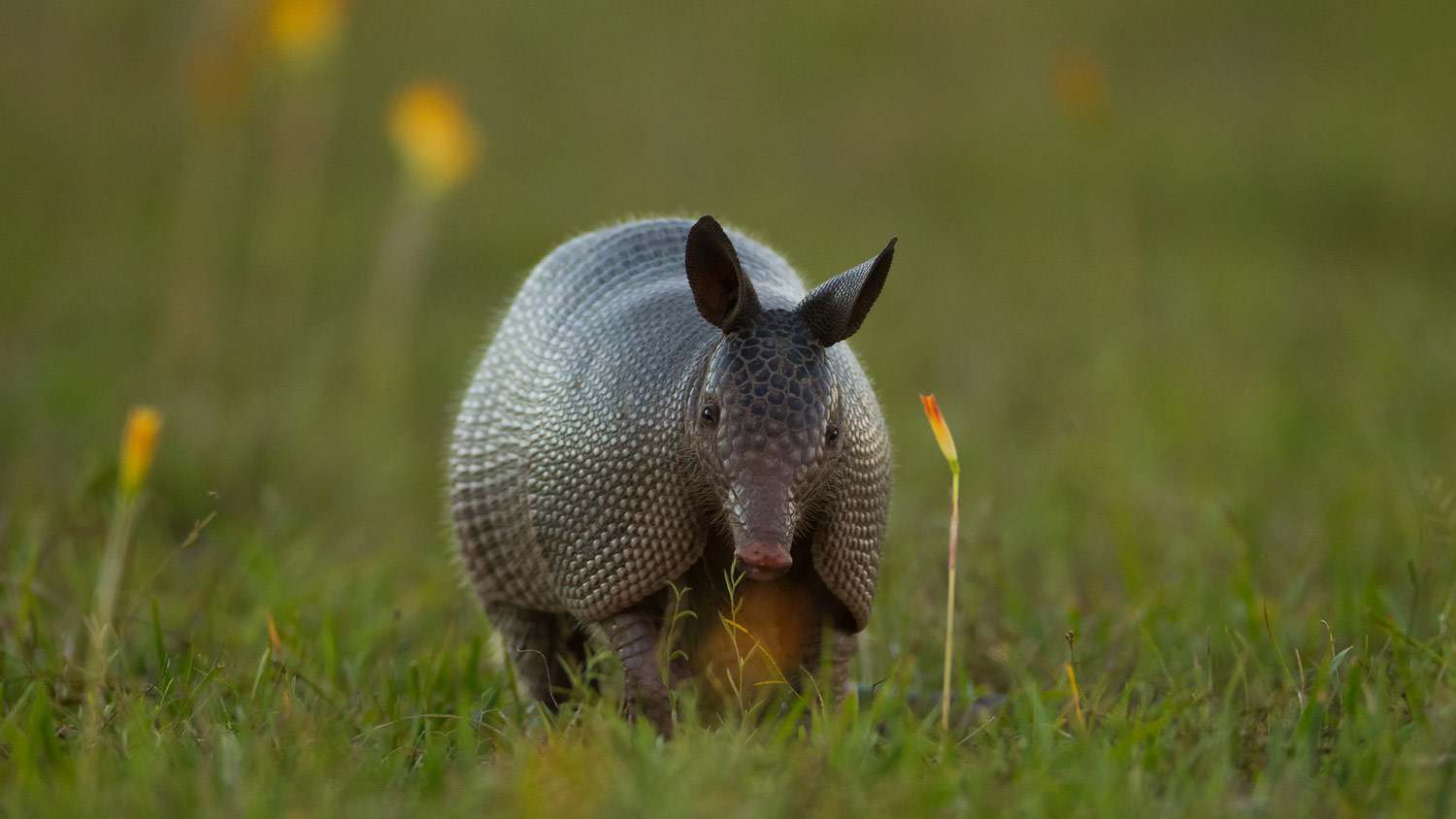
Armadillos are most active during cooler hours to avoid extreme temperatures, particularly the daytime heat in the warm climates where they live. This activity pattern helps them reduce the risk of overheating and dehydration. They are generally active from late at night to early morning, often between 2 a.m. and 5 a.m., but can also be seen around dawn and dusk. An exception to this is during mating season (June-July in the northern hemisphere, November-December in the southern hemisphere), when male armadillos may be more active than usual.

Skunks spray as a defense mechanism to ward off predators. The active ingredient in their sulfurous, oily musk is n-butyl mercaptan, which evaporates into a powerful and smelly gas. Once the spray hits the skunk’s target, the stench can linger for days, and water and common cleaning kits aren’t enough to wash it away.

If you happen upon a skunk in your yard, try to back away slowly to reduce the chance of them aiming at you. Encouragingly, they don’t use their weapon casually, as it can take up to 10 days for their life-saving weaponry to refill. Paw stamping, hissing, lifting their tail, and arching their back are early signs they feel trapped or under threat and that it’s time to make a careful retreat.

The Walnut, MS homeowners’ guide to animal removal services

From average costs to expert advice, get all the answers you need to get your job done.